
Beautiful Plants For Your Interior
Beautiful Plants For Your Interior
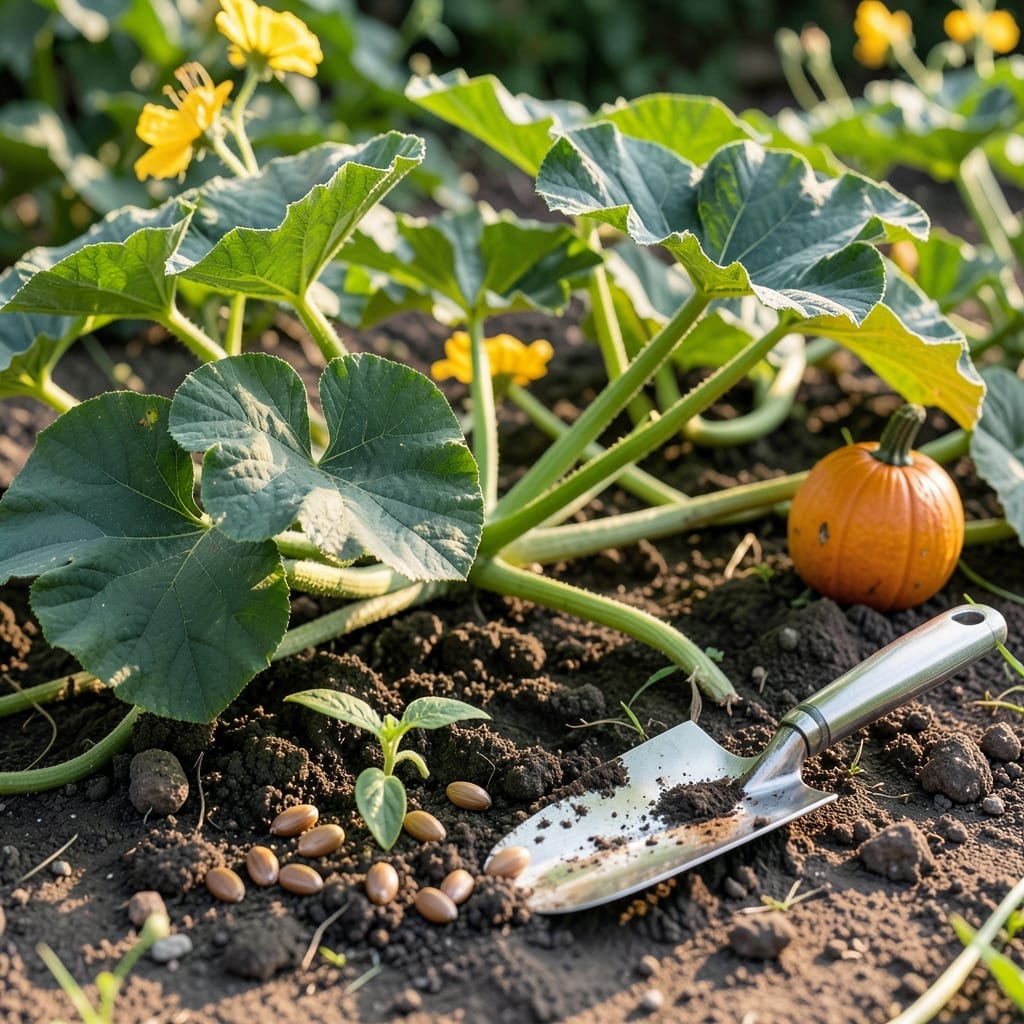
Timing is everything when growing 🎃 Pumpkin—plant too early and frost may wipe out your seedlings, plant too late and you’ll miss the harvest. It’s a delicate balance that can make or break your season.
I’ve learned the hard way that getting this right means the difference between a thriving patch and a disappointing yield. The good news? There’s a perfect window to get it just right.
For most gardeners, this falls in late spring when the soil warms up. But the exact timing depends on your climate and local conditions.
Let me walk you through how to pinpoint the ideal moment for your area. You’ll discover the key factors that ensure a bountiful fall harvest.


Timing your pumpkin planting correctly is the key to a successful harvest. The ideal window depends on your USDA hardiness zone and local frost dates. I always wait until soil temperatures reach at least 60°F before sowing seeds.
In warmer zones like 7-11, you can plant as early as March or April. Cooler zones like 3-5 should wait until May or June to avoid frost damage to tender seedlings. Early varieties may tolerate slightly cooler soil.☀️
| Zone | Planting Window | Soil Temp | Last Frost |
|---|---|---|---|
| 3-4 | Late May – Early June | 60-65°F | Mid-May |
| 5-6 | Mid-April – May | 60°F+ | Early April |
| 7-8 | March – April | 60°F+ | Late March |
| 9-11 | Feb – Early March | 65°F+ | None |
For early pumpkins, start seeds indoors 2-4 weeks before the last frost. This gives them a head start in shorter growing seasons. I’ve found small sugar pumpkins do well with this method.
Mid-season varieties like Howden or Gladiator need 100-120 days to mature. Plant these after all danger of frost has passed. In my zone 6 garden, that’s typically mid-May.
Late-season giants such as Atlantic Giant require even more time. These need 130-160 days and are best suited for warmer climates. I’d only attempt these in zones 7 or above.
Soil preparation is just as important as timing. Work in plenty of compost and ensure good drainage. Pumpkins hate wet feet, so avoid low-lying areas that collect water.🌱
Remember that pollination is crucial for fruit set. Plant near bee-friendly flowers or hand-pollinate if bees are scarce. I’ve had success with sunflowers and bee balm as companion plants.
In hot climates, afternoon shade can prevent heat stress. Use mulch to retain moisture and keep roots cool. I like straw mulch for its ability to suppress weeds too.
Finally, keep an eye on the extended forecast. If a late frost is predicted after planting, cover seedlings with frost cloth or plastic jugs. This simple step has saved my pumpkin patch more than once.🌿
Understanding the pumpkin growth cycle helps you time everything perfectly. Most varieties need 75-100 days to mature, so count backward from your first fall frost to find your planting date.
I start my pumpkin seeds when soil temps hit 60°F and all frost danger has passed. This usually means mid-spring for most gardeners, but check your local conditions to be sure.☀️
The germination stage is critical—keep soil consistently moist but not soggy. I use a spray bottle to avoid disturbing seeds. Once sprouts appear, thin to the strongest seedlings spaced 2-3 feet apart.
During vine development, focus on watering deeply once a week. Pumpkins are heavy feeders, so I apply balanced fertilizer every 4-6 weeks to support growth.
When flowers emerge, watch for bee activity. Male flowers appear first, followed by females (identifiable by the tiny fruit at their base). If bees are scarce, I hand-pollinate using a paintbrush.
The final growth push is impressive—some varieties gain 2-3 pounds per day! Reduce watering as harvest nears to concentrate sugars and harden the rind.🌱
Your pumpkins are ready when the rind resists puncture and the stem dries. I always leave 2-3 inches of stem when harvesting to prevent rot.🌿