
Beautiful Plants For Your Interior
Beautiful Plants For Your Interior
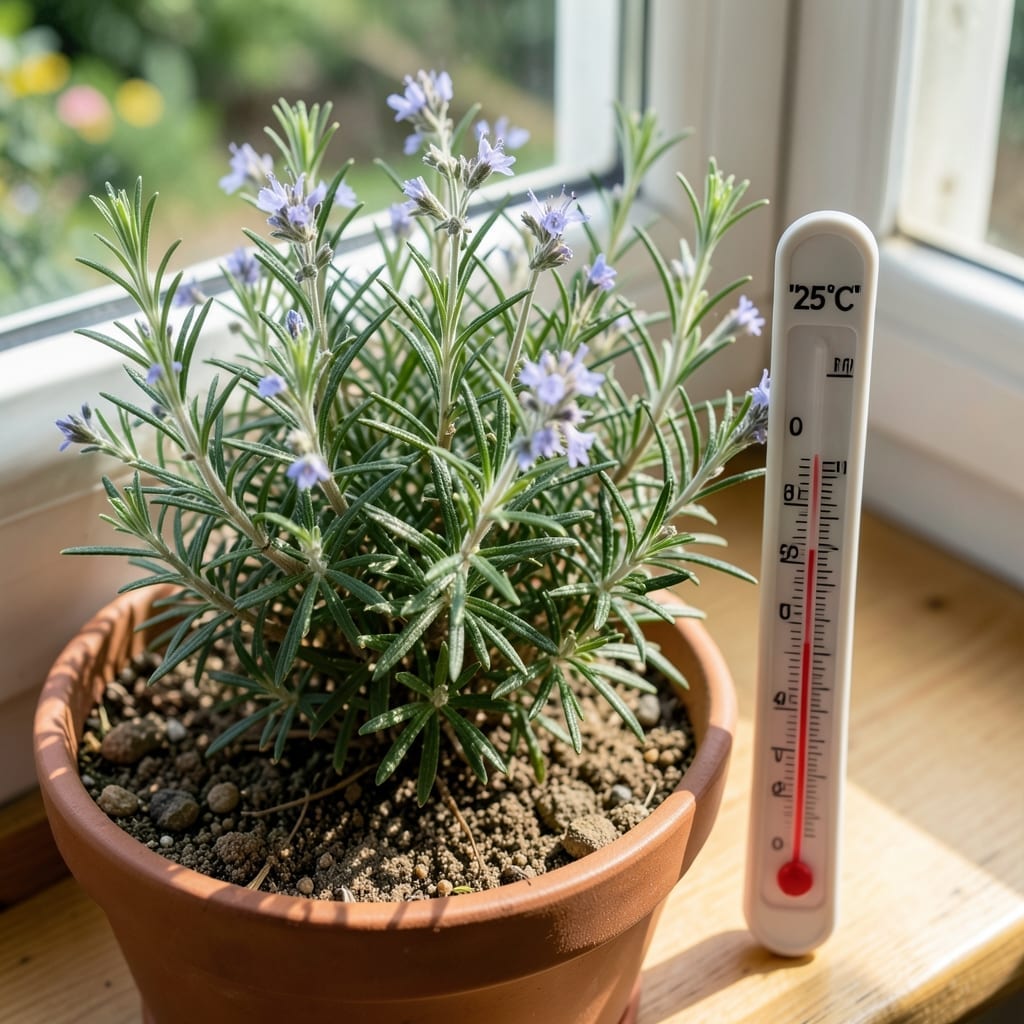
If you’ve ever worried about your rosemary surviving a cold snap, you’re not alone. Many gardeners assume this Mediterranean herb can’t handle the chill, but that’s not entirely true.
The 🌿 Rosemary plant is more resilient than you might think. While it thrives in warm weather, it can actually tolerate temperatures that would surprise most gardeners in zones 7-10.
What it can’t handle, however, is prolonged freezing without protection. The good news? With a few simple strategies, you can help your plants weather the cold months successfully.
Let me walk you through exactly what temperatures rosemary can handle and how to give it the best chance of survival when the mercury drops.
If you’ve ever wondered what temperature can rosemary tolerate, you’re not alone. This Mediterranean native thrives in warm, dry climates but can handle cooler temperatures better than many expect.
In its ideal growing zones (USDA 7-10), rosemary can survive winter lows of 10-20°F with proper protection. It truly shines in 60-75°F ranges, where growth is most vigorous.
| Condition | Temperature Range |
|---|---|
| Ideal Growth | 60-75°F |
| Survival Limit | 10-20°F |
| Frost Damage Risk | Below 25°F |
| Heat Tolerance | Up to 90°F |
I’ve seen established rosemary plants bounce back after light frosts, but prolonged freezing below 10°F often proves fatal. The younger the plant, the more vulnerable it is to cold damage.
Signs of cold stress include blackened leaves, wilting stems, and leaf drop. If you notice these, it’s time to provide protection or move potted plants indoors.
In zone 7, I recommend winter mulching with straw or pine needles to insulate roots. For zone 6 and colder, consider growing rosemary in containers that can be moved inside.
Rosemary’s heat tolerance is impressive—it can handle temperatures up to 90°F without issue, as long as it has well-draining soil and adequate water. In extreme heat, afternoon shade can prevent stress.
The key to rosemary’s survival in cold is good drainage. Wet roots in freezing temps are a death sentence. I always ensure my rosemary plants are in raised beds or sandy soil.
Upright varieties like ‘Tuscan Blue’ tend to be more cold-hardy than prostrate types. If you’re in a borderline zone, choose your rosemary cultivar wisely.
Remember, temperature fluctuations can be more damaging than consistent cold. A sudden freeze after warm days can shock the plant. I use frost cloth on cold nights to provide temporary protection.
With proper care, your rosemary can thrive for years, withstanding temperatures that would kill less hardy herbs 🌿
When temperatures drop below 20°F, even hardy rosemary plants need protection. I’ve found that container-grown rosemary is easiest to move indoors during harsh winters.
For in-ground plants, a thick layer of organic mulch around the base helps insulate the roots from freezing.
I always avoid plastic covers because they trap moisture and can cause rot or fungal issues. Instead, I use breathable frost blankets for the best results.
If you’re in USDA zone 6 or colder, consider growing rosemary in pots so you can bring it inside when temperatures dip below 10°F.
Another tip: water your rosemary before a freeze, as moist soil retains heat better than dry soil. Just don’t overdo it!
Finally, check your plants after a freeze and remove any damaged foliage to encourage healthy regrowth when spring arrives 🌿