
Beautiful Plants For Your Interior
Beautiful Plants For Your Interior
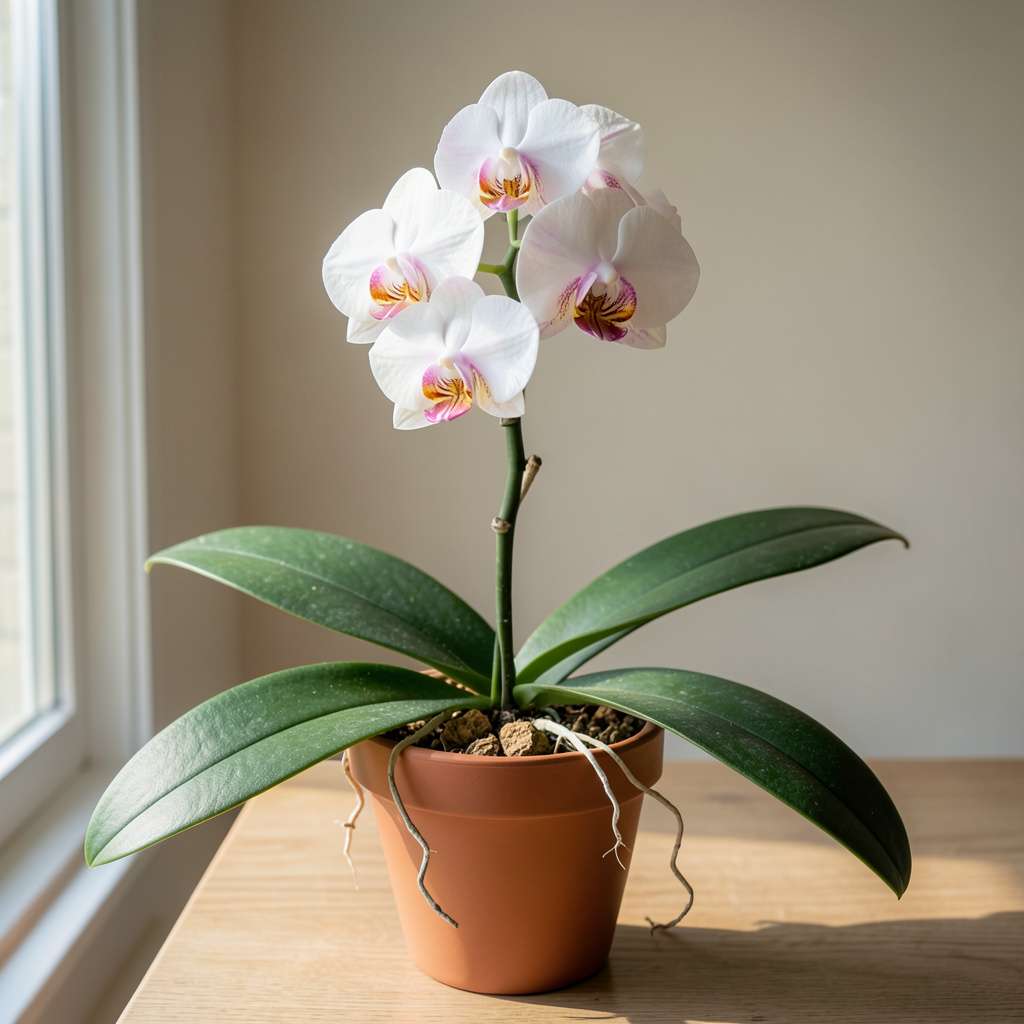
Orchids bloom in various seasons depending on species and environment. Most common blooming periods are spring to fall, but some bloom year-round under optimal conditions like consistent light and humidity.
Understanding the blooming patterns of orchids can be fascinating. 🌼 Each species has unique requirements that can influence when they flower. For example, while many varieties thrive in spring and summer, others might require specific temperature changes or light exposure to trigger their blooming cycle. I find it helpful to track these conditions for better success in my own garden.
Additionally, providing the right environment—like maintaining humidity and consistent temperatures—can encourage orchids to Flowering Cycle“>bloom more frequently. 🌿 This way, I can enjoy their beautiful flowers throughout various seasons, enhancing my indoor and outdoor spaces with their vibrant colors.
💡 In This Article
The blooming period for orchids is intricately linked to their species and environmental conditions. For instance, Phalaenopsis orchids, commonly known as moth orchids, often bloom from winter to early spring. This species thrives in warm temperatures, typically between 70°F and 80°F, and requires consistent humidity to promote flowering. 🌼
On the other hand, Cattleya orchids are renowned for their fragrant flowers and usually bloom in the spring. They prefer slightly cooler nights with temperatures around 60°F to 65°F to initiate their flowering cycle. Their vibrant colors and rich scents make them a favorite among growers.
By adjusting their temperature, you can influence their blooming schedule. 🌿
Dendrobium orchids display a fascinating variability in their blooming patterns. While some species bloom in late winter or early spring, others may flower during the summer months. They thrive in conditions where daytime temperatures are around 75°F to 85°F, while cooler nights encourage buds to develop. This adaptability allows them to flourish in diverse climates. 🌟
Understanding these seasonal patterns can significantly impact how we care for our orchids. For example, by simulating seasonal changes—like altering light exposure and temperature—we can encourage specific orchids to bloom at desired times. This practice is especially beneficial for those looking to showcase blooms during particular seasons or events. 🌸
In summary, recognizing the unique needs of each orchid species helps us create optimal environments that foster blooming. Adjusting factors like humidity and temperature not only leads to healthier plants but also extends the enjoyment of their beautiful flowers throughout the year. 🌈
