
Beautiful Plants For Your Interior
Beautiful Plants For Your Interior
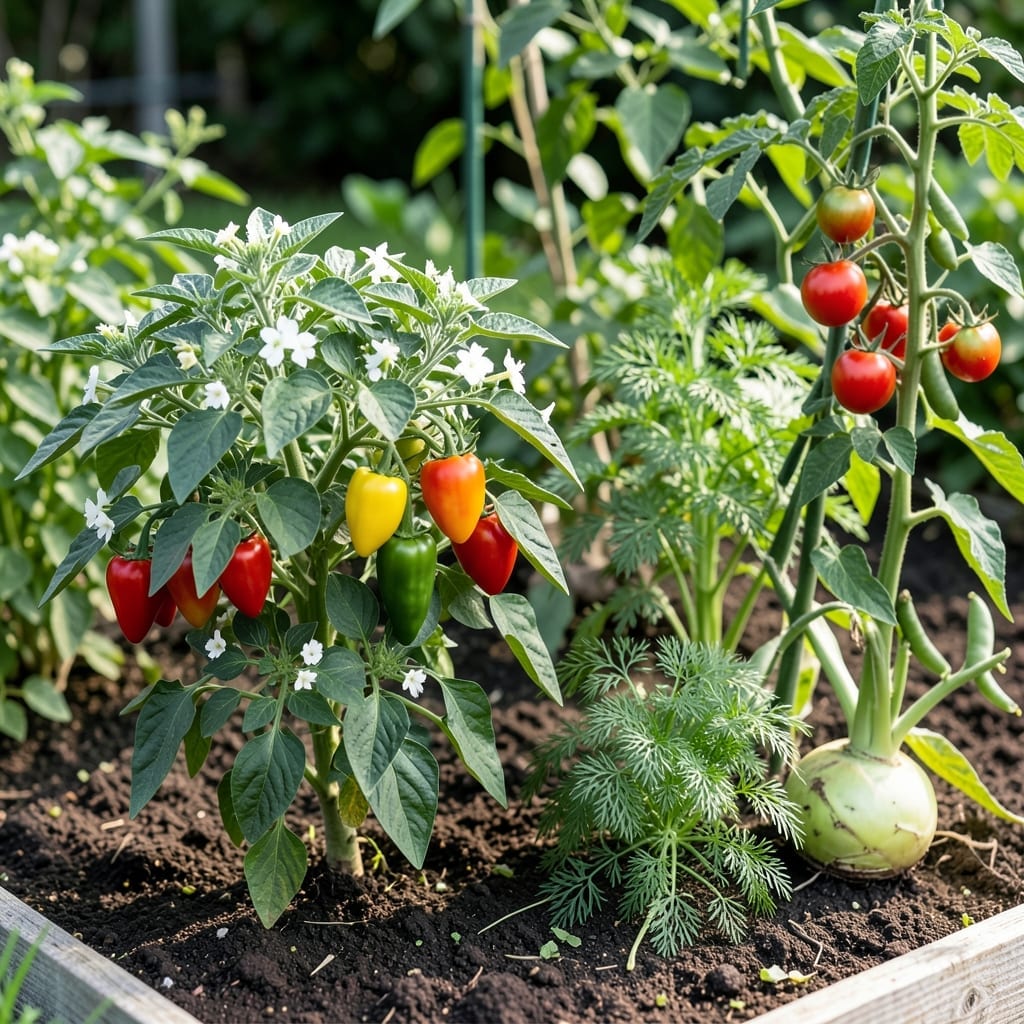
Growing healthy 🌶️ Peppers requires more than just good soil and sunlight. What you plant nearby can make or break your harvest.
Some plants compete for nutrients, attract pests, or even stunt pepper growth. I’ve seen gardens thrive when the right neighbors share the space.
Discover which plants to keep far from your peppers to ensure a bountiful crop. Let’s set your garden up for success this season.
I’ve learned the hard way that not all plants play nice with pepper plants. Some neighbors can actually harm your harvest by stealing nutrients or inviting pests.
Understanding which plants to avoid is just as important as knowing the best companions. Let me share the worst offenders and why they spell trouble for your peppers.
Fennel is the worst offender—it releases chemical inhibitors that can stunt your pepper plants’ growth significantly.
The cabbage family (including broccoli and kale) competes aggressively for the same nutrients your peppers need to thrive.
Beans might seem like a good idea, but they can actually fix too much nitrogen in the soil, which leads to lush foliage but fewer peppers.
I’ve also noticed that brassicas like Brussels sprouts attract pests that love to munch on pepper plants too.
Another plant to avoid is apricot trees. Their root systems are too aggressive and will compete for water and nutrients.
Even some herbs can be problematic. Dill can attract harmful insects that might spread to your peppers.
Remember, the key is balanced soil health. Avoid plants that either deplete resources or introduce pests to your garden beds. 🌱
In my experience, keeping these problematic plants at least 3 feet away from your peppers makes a noticeable difference in plant health and yield.
Your pepper plants might be struggling due to poor neighbors. I’ve seen yellowing leaves and stunted growth when incompatible plants share space.
Wilting during the day or slow growth are red flags. These often mean root competition or nutrient depletion from nearby plants.
Stunted growth – Plants grow slower than expected
Yellow leaves – Nutrient competition is likely
Pest infestations – Incompatible plants attract harmful bugs
Leaf curl or spotty foliage can indicate stress from chemical inhibitors released by plants like fennel. I check for this weekly.
Another sign is fewer flowers or dropping blossoms. This often happens when beans or cabbage disrupt the nitrogen balance in soil.
I also watch for increased pests. Brassicas often bring aphids and cabbage worms that love pepper plants too.
Root rot or mold at the base suggests overcrowding. Aggressive plants like apricot trees can cause this by hoarding water.
If you notice these signs, I recommend removing the offender immediately. Your peppers will often recover within weeks once the competition is gone. 🌱