
Beautiful Plants For Your Interior
Beautiful Plants For Your Interior
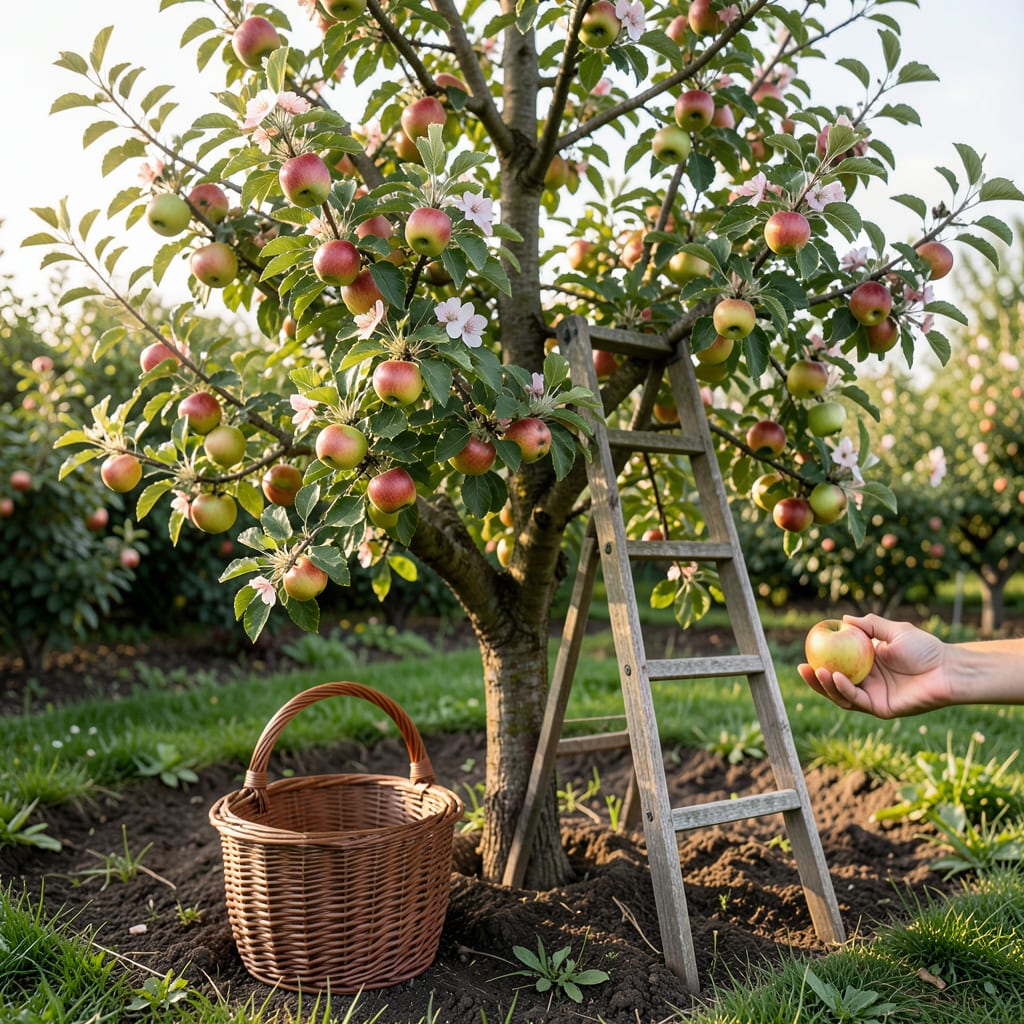
Knowing the perfect month to pick apples can mean the difference between tart, underripe fruit and the sweet, juicy 🍎 harvest you’ve been dreaming of all season.
I’ll show you how to time your harvest for peak flavor and share the easiest signs to spot when your apples are ready to come off the tree.


Timing your apple harvest perfectly ensures the sweetest flavor and longest storage life. The ideal month depends on your apple variety and growing zone, with most types ripening between late summer and early fall. 🌳
Early varieties like Gala or Yellow Transparent often ripen in late July to early August, while mid-season apples such as Fuji or Jonathan are ready in September. Late bloomers like Granny Smith may hold out until October. 🌱
| Variety | Harvest Month | USDA Zones | Flavor Profile |
|---|---|---|---|
| Gala | Late July – Early August | 4-8 | Sweet, aromatic |
| Fuji | Mid September – Early October | 6-9 | Super sweet, crisp |
| Granny Smith | Late October | 5-9 | Tart, firm |
| Honeycrisp | Mid September | 3-7 | Balanced sweet-tart |
| Golden Delicious | Late September – Early October | 4-8 | Mild, sweet |
In cooler climates like the Pacific Northwest, apples may ripen 1-2 weeks later than in warmer regions. I always check my local cooperative extension for zone-specific advice. Frost dates can also shift your timeline significantly. ✂️
For home gardeners, observing your tree is key. Early varieties often show color changes first, while late-season apples might stay green until the very end. I’ve found that taste testing a few fruits is the most reliable method. 🌿
If you’re in USDA Zone 5, expect most apples to ripen in September. In Zone 8, you might start harvesting as early as late July. Dwarf varieties often ripen a bit sooner than standard trees. ☀️
Remember that tree age affects timing too. A mature apple tree produces fruit that ripens more uniformly than a young tree. In my experience, 3-5 year old trees start giving reliable harvests. 💧
For organic growers, the harvest window might shift slightly due to different fertilization schedules. I recommend keeping a garden journal to track your tree’s progress year over year. This helps predict future harvest times. 🌳
Finally, weather conditions play a role. A hot summer can speed up ripening, while a cool, wet season might delay it. Always be ready to adjust your plans based on what you observe in your own orchard. 🌻
Timing your apple harvest right is critical for the best flavor and texture. I’ve found that color changes and ease of separation from the branch are the most reliable signs of ripeness for most varieties.
For example, Fuji apples turn deep red, while Granny Smith develop their signature bright green. Don’t rely on color alone—always check for seed color and firmness too.
The twist test is my go-to method: gently twist the apple upward. If it comes off easily with the stem intact, it’s ready. If it resists, leave it for a few more days of ripening.
Another trick is the taste test. Sample one apple from different parts of the tree. If it’s sweet and juicy, the rest are likely ready. Avoid picking after a hard frost, as this can damage the fruit.
For late varieties like Pink Lady, you might need to wait until October in cooler climates. Always check the local harvest calendar for your specific region and variety.
Finally, remember that apples ripen from the outside in and the top down. Start checking the highest and outermost fruits first, as they’ll be ready before those closer to the trunk.
Picking apples at the wrong time can dramatically affect their flavor, texture, and storage life. I’ve learned the hard way that timing is everything when it comes to harvesting. 🌳
Harvest too early, and you’ll get hard, tart apples that lack sweetness. These underripe fruits often have pale color and immature seeds, and they won’t ripen properly off the tree. ✂️
Wait too long, and your apples may become overripe, with a mealy texture and reduced crispness. These fruits are prone to bruising and won’t store well. I’ve found that late-harvested apples often fall from the tree prematurely. 🌿
For storage apples, picking at peak ripeness is crucial. Early picks can develop a better texture over time in storage, while late picks will spoil quickly. I always aim for the goldilocks zone of ripeness. ☀️
If you do pick early, try ripening apples indoors in a paper bag with a ripe banana. The ethylene gas can help speed up the process. For late picks, use them quickly for fresh eating or preserving. 🪴
No, varieties have different schedules. Early types like Gala may be ready in late July, while Granny Smith often hold until October.
Warmer zones like USDA Zone 8 may see apples ripen 2-3 weeks earlier than cooler areas. Local frost dates can shift your timeline significantly.
Yes! Place apples in a paper bag with a ripe banana. The ethylene gas will help them ripen faster indoors.
Try the twist test. Gently twist the apple upward—if it comes off easily with the stem intact, it’s ready to pick.
