
Beautiful Plants For Your Interior
Beautiful Plants For Your Interior
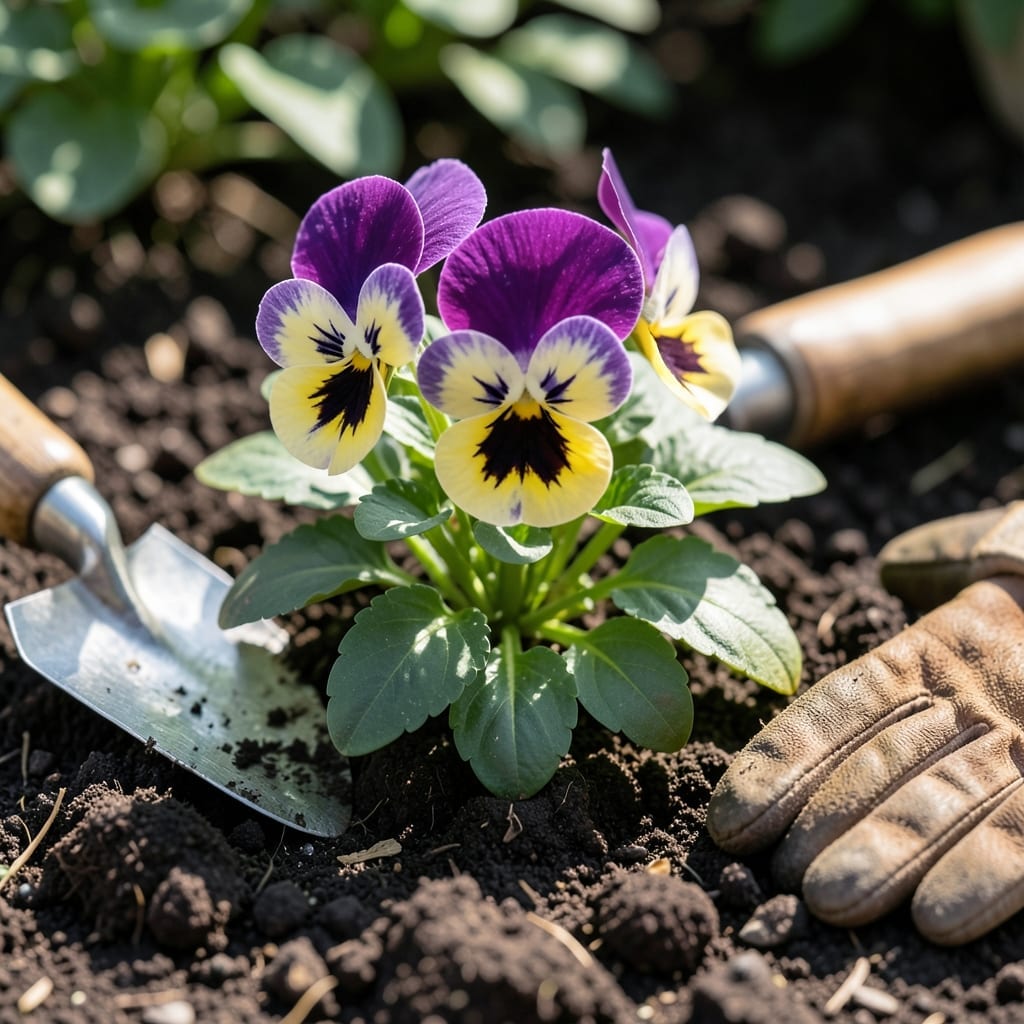
There’s something magical about 🌸 Pansies bringing bursts of color to your garden when most other flowers can’t handle the chill. But here’s the catch: timing is everything with these beauties.
Plant them at the wrong time, and you might as well be throwing seeds to the wind. The difference between thriving blooms and a sad, wilted patch often comes down to just a few weeks.
I’ve learned through trial and error that getting this right means more vibrant flowers and longer enjoyment. The good news? It’s simpler than you might think once you know the sweet spots.
Let me show you exactly when to get those Pansies in the ground for the best results, no matter where you’re growing them.
I love planting pansies because they bring cheerful color to gardens when most plants are dormant. The best time to plant them depends on your climate zone and the season you’re targeting.
For spring blooms, I plant pansies 4-6 weeks before the last frost date. In USDA Zone 6, this typically means March or early April. For fall color, I aim for September through November, before the first hard frost hits.
| Season | Best Months | Notes |
|---|---|---|
| Spring | March-April | Plant 4-6 weeks before last frost |
| Fall | Sept-Nov | Before first hard frost |
| Winter | Dec-Feb | Mild climates only |
In warmer zones like USDA 7-9, I can plant pansies as early as February for spring color. They tolerate light frosts, but I avoid planting when temperatures drop below 25°F for extended periods.
For fall planting, I watch the weather forecast closely. I want my pansies established before cold snaps arrive, typically 6-8 weeks before the first hard frost in my area.
I’ve found that pansies planted in early fall often bloom through winter in mild climates. In colder areas, they’ll go dormant but reappear in spring with vibrant new growth.
If you’re in USDA Zone 5 or colder, I recommend starting pansies indoors 8-10 weeks before your last frost date. This gives them a head start for early spring blooms. ☀️
Remember, pansies prefer cool temperatures between 45-65°F. They struggle in summer heat, so I avoid planting them in most regions during June-August.
For container gardening, I plant pansies anytime from early spring to late fall. Containers allow me to move them to shadier spots during hot afternoons.
I always check my local frost dates and adjust planting times accordingly. A quick call to your county extension office can provide the most accurate information for your specific location. 🌱
I always start by choosing the perfect spot for my pansies. They thrive in locations with partial to full sun, ideally receiving 4-6 hours of sunlight daily. Morning sun with afternoon shade works wonderfully in warmer climates.
Before planting, I test my soil pH to ensure it’s between 5.4 and 5.8. Pansies prefer slightly acidic soil, so I amend with compost if needed. Well-draining soil is a must to prevent root rot from excessive moisture.
I prepare the planting area by loosening the soil to about 12 inches deep. This helps the roots establish quickly. I mix in organic matter like compost or peat moss to improve both drainage and fertility.
When planting, I space my pansies 6-8 inches apart. This gives them room to grow while creating a full, colorful display. For containers, I use a quality potting mix and ensure there are drainage holes at the bottom.
I always water my pansies thoroughly after planting to help settle the soil around the roots. Then I apply a light mulch to conserve moisture and keep weeds at bay. Just be sure not to mound mulch against the stems.
For companion planting, I love pairing pansies with spring bulbs like tulips or daffodils. The pansies provide early color while the bulbs are still dormant, creating a beautiful layered effect in my garden beds. 🌱