
Beautiful Plants For Your Interior
Beautiful Plants For Your Interior
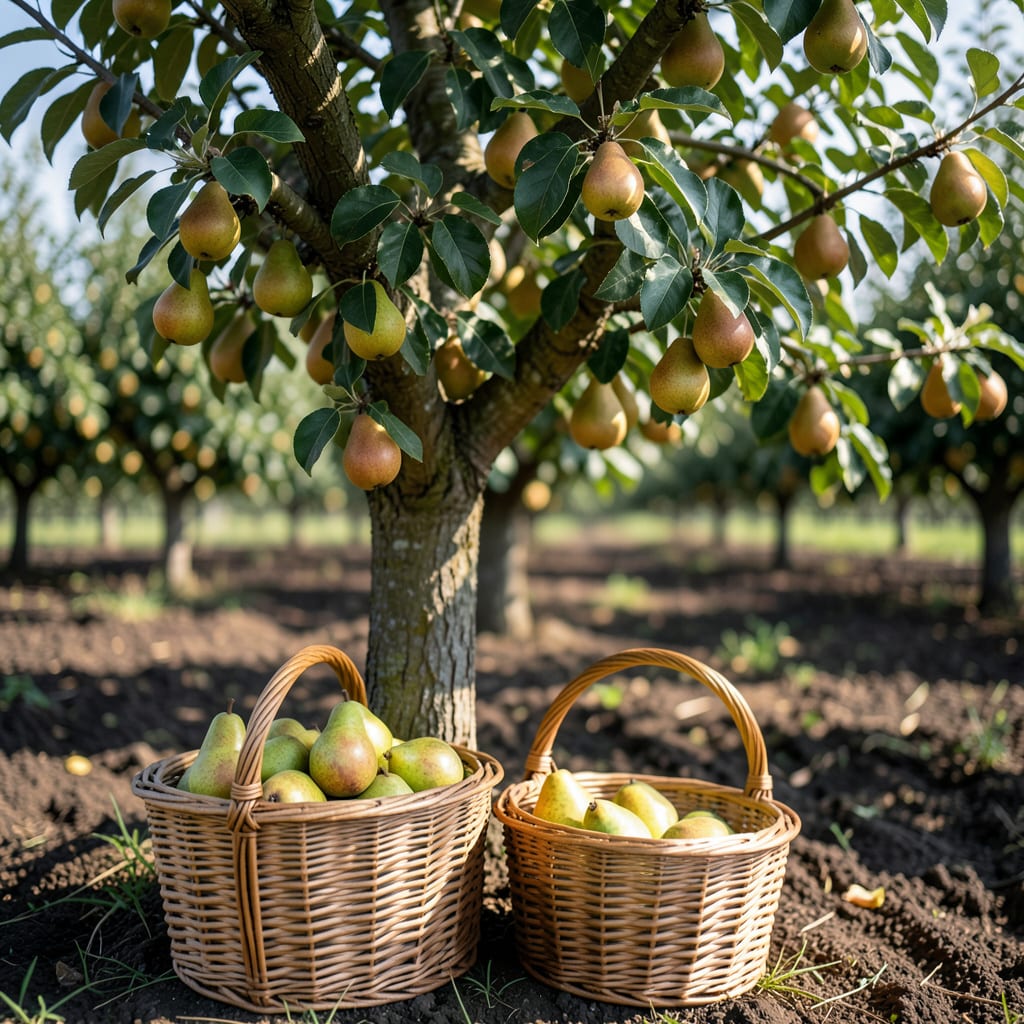
There’s nothing quite like biting into a perfectly ripe 🍐 Pear you’ve grown yourself. But picking at the wrong time can leave you with hard, tasteless fruit.
I’ll show you exactly when to harvest for that sweet, juicy flavor we all love. The timing might surprise you, especially if you’re growing in zone 6.


Timing your pear harvest perfectly depends largely on the variety you’re growing. Early varieties like Bartlett often ripen in late July to early August, while others may need until September.
Climate plays a big role too. In warmer zones, pears may ripen 2-3 weeks earlier than in cooler areas. Always watch your trees closely as harvest time approaches.
| Variety | Harvest Month | Notes |
|---|---|---|
| Bartlett | July-August | Early season, sweet flavor |
| Anjou | August-September | Mid-season, firm texture |
| Bosc | September-October | Late season, spicy-sweet |
| Comice | September | Short harvest window |
I’ve found that Bartlett pears are the earliest to ripen in my garden, usually ready by late July. Their color change from green to yellow is the first sign they’re nearing readiness.
Anjou pears typically follow in mid-August. They’re great for fresh eating and hold their shape well when stored. Watch for a slight softening at the stem end.
For Bosc pears, I wait until September. Their russeted skin and long neck make them easy to identify. These pears often need a bit more time on the tree to develop their full flavor.
Comice pears are my late-season favorites, usually ready in September. They’re sensitive to handling, so I pick them with extra care to avoid bruising.
Remember that cool temperatures can delay ripening, while heat waves may speed it up. I always check my trees after weather changes to adjust my harvest plans.
In my experience, pears often ripen from the outside in. The fruit on the sunniest branches will be ready first, so I start checking those areas of the tree first.
Don’t be afraid to taste test a few pears as they near maturity. This is the most reliable way to determine if the rest of the crop is ready for picking.
Proper timing ensures your pears will be at their sweetest and most flavorful when you finally enjoy them 🌳
Even with a harvest calendar, knowing exactly when your pear tree is ready requires a hands-on approach. I use three reliable methods to check for perfect ripeness before picking.
First, observe the color change. Most varieties transition from green to yellow or develop a red blush as they mature. This visual cue is your first sign to start testing.
The twist test is my go-to method. I gently lift a pear and twist it slightly. If it comes off the branch with minimal effort, it’s likely ready to harvest.
For the most accurate check, I always taste test a pear or two. Cut it open and check for sweet flavor and creamy texture. If it’s still hard or tart, wait a few more days.
Remember that pears often ripen from the inside out. A fruit might look ready but still need time to develop full sweetness and juiciness. This is why the taste test is so important.
I check my trees every 2-3 days as harvest time approaches. Pears can go from unripe to overripe quickly, especially in warm weather. Staying vigilant ensures I don’t miss the perfect window.
These simple tests have helped me harvest pears at their absolute peak every season ✂️
Even experienced gardeners can make critical errors when harvesting pears. The most common mistake I see is picking too early. Pears won’t ripen properly if taken from the tree before their time.
Another frequent issue is waiting too long. Overripe pears become mushy and lose their distinct flavor. I’ve learned to check my trees daily as harvest time approaches to catch them at the perfect moment.
⚠️ Warning: Harvesting too early results in hard, tasteless pears. Waiting too long leads to overripe, mushy fruit. Always check for color change and do the twist test before picking!
Ignoring weather conditions is another pitfall. A heat wave can speed up ripening dramatically, while cool spells may delay it. I adjust my harvest schedule based on recent weather patterns.
Many gardeners overlook variety-specific needs. What works for Bartlett pears won’t necessarily apply to Bosc pears. Each type has its own ideal harvest window that I’ve learned to respect.
Finally, don’t forget that pears often ripen unevenly on the tree. The fruit on sun-exposed branches will mature first. I always check different parts of my trees to ensure I don’t miss any ready pears.
By avoiding these common mistakes, I’ve improved my pear harvests significantly each season 🌿
Look for a color change from green to yellow or red. Do the twist test – gently lift and twist. If it comes off easily, it’s ready
Climate affects ripening speed. In warmer zones, pears mature 2-3 weeks earlier than in cooler areas. Always adjust based on local weather patterns.
No, picking too early results in hard, tasteless fruit. Pears won’t ripen properly off the tree. Wait for color change and easy separation from the branch
Start with sun-exposed branches first. Bartlett ripen earliest, followed by Anjou, then Bosc. Taste test one from each section of the tree.
