
Beautiful Plants For Your Interior
Beautiful Plants For Your Interior
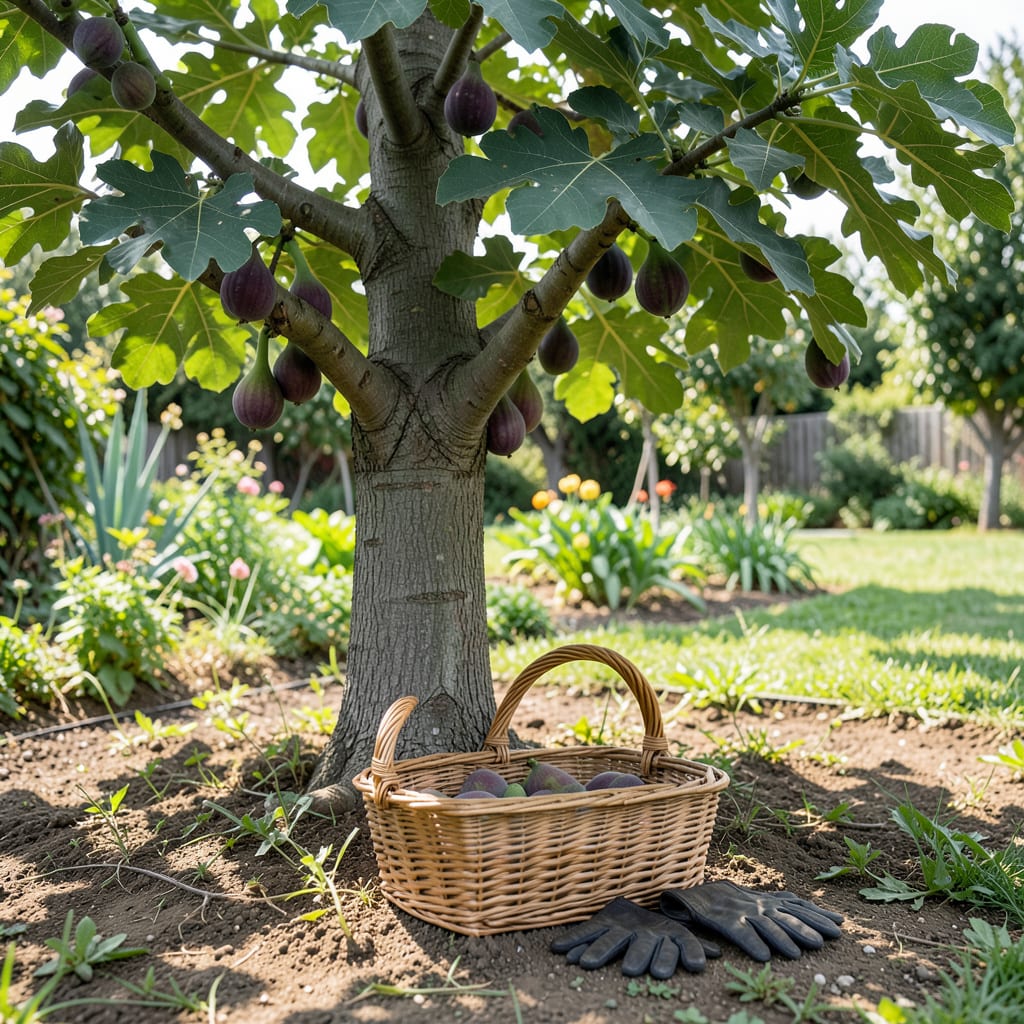
Ever stood under a Fig tree wondering if now’s the time to harvest? Timing your pick can make all the difference between bland and delicious.
From July to September, most Fig varieties reach their peak. I’ll show you the subtle signs that confirm your 🍈 are perfectly ripe and ready to enjoy.


Fig harvest timing depends on your USDA zone and variety. In warmer climates like Zones 8-10, you might see two crops per year: the breba crop in early summer and the main crop in late summer.
Cooler areas in Zones 6-7 typically produce one harvest from August to September. The Brown Turkey ripens earlier, while Black Mission figs often need more time.
| Variety | Climate Zone | Harvest Months | Notes |
| Brown Turkey | Zones 5-9 | July-September | Early producer |
| Celeste | Zones 6-9 | June-August | Cold hardy |
| Black Mission | Zones 7-10 | August-October | Late season |
| Chicago Hardy | Zones 5-10 | July-September | Dual crops |
In hot climates, figs mature faster due to consistent warmth. The first crop (breba) typically ripens in June, while the second crop follows in August or September.
For mild summer regions, expect a single harvest window from mid-August to early September. Varieties like Desert King do well in these conditions.
If you’re in Zone 5, focus on cold-hardy varieties like Chicago Hardy. These often ripen in late July through August, giving you a solid window.
Watch for color changes as the first sign. Brown Turkey figs turn purplish-brown, while Celeste figs develop a violet hue when ready.
In coastal areas with moderate temps, figs may ripen later due to cooler nights. Here, September harvests are more common.
Remember, microclimates matter. A south-facing wall can speed up ripening by 1-2 weeks compared to shadier spots in your garden.
For the best flavor, I always check the stem end for a slight droop and a sweet scent. These are sure signs your figs are ready.
Spotting a ripe fig is all about the details. I look for color deepening first—Brown Turkey turns purplish-brown, while Celeste develops a violet blush when ready.
The neck softness is another giveaway. Gently squeeze the fruit neck—if it yields slightly, it’s nearly ripe. A slight droop at the stem confirms it’s time. 🌿
Never ignore the sweet aroma. Ripe figs emit a distinct fragrance near the stem. If you don’t smell anything, wait another day or two. This scent is nature’s perfect signal.
Timing matters too. I always harvest in the morning when figs are cool and firm. This helps them last longer. Picking in hot afternoon sun can make them overly soft too quickly.
Watch for over-ripeness. Figs left too long become mushy and may split open. A few dropped figs on the ground are a sign to harvest immediately.
For Green fig varieties, the color shift is subtle. Look for a yellowish tint replacing the bright green. The stem end may also show slight cracking when fully ripe.
Remember, taste-testing is the final check. Sample one before harvesting the whole tree to ensure perfect sweetness and texture. ✂️
Harvesting figs at the right time preserves both fruit quality and tree health. I always wear gardening gloves to protect my hands from the sap, which can be irritating.
Use a gentle twisting motion at the stem to pick figs. This prevents tearing the fruit or damaging the branch. Never pull straight down, as this can harm the tree.
🌱 Pro Tip:
Harvest in the early morning when figs are cool and firm. This ensures peak freshness and extends their shelf life.
For the best results, pick figs when they’re fully ripe. This means they should be soft to touch with a sweet aroma at the stem. Over-ripeness leads to splitting.
If you notice dropped figs on the ground, it’s a sign to harvest immediately. This often happens when figs are overripe and the tree naturally sheds them.
After picking, store figs in a single layer in the fridge. They’ll last 2-3 days this way. For longer storage, consider freezing or drying them. ✂️
No, figs do not ripen off the tree like some other fruits. They must fully ripen while still attached to the branch.
This often happens due to overwatering, stress, or pest issues. Check your watering schedule and inspect for pests if this occurs frequently.
From formation to full ripeness typically takes 60-90 days. The exact time depends on variety and growing conditions.
Harvest in the early morning when temperatures are cool. This keeps the fruit firm and extends its freshness.
