
Beautiful Plants For Your Interior
Beautiful Plants For Your Interior
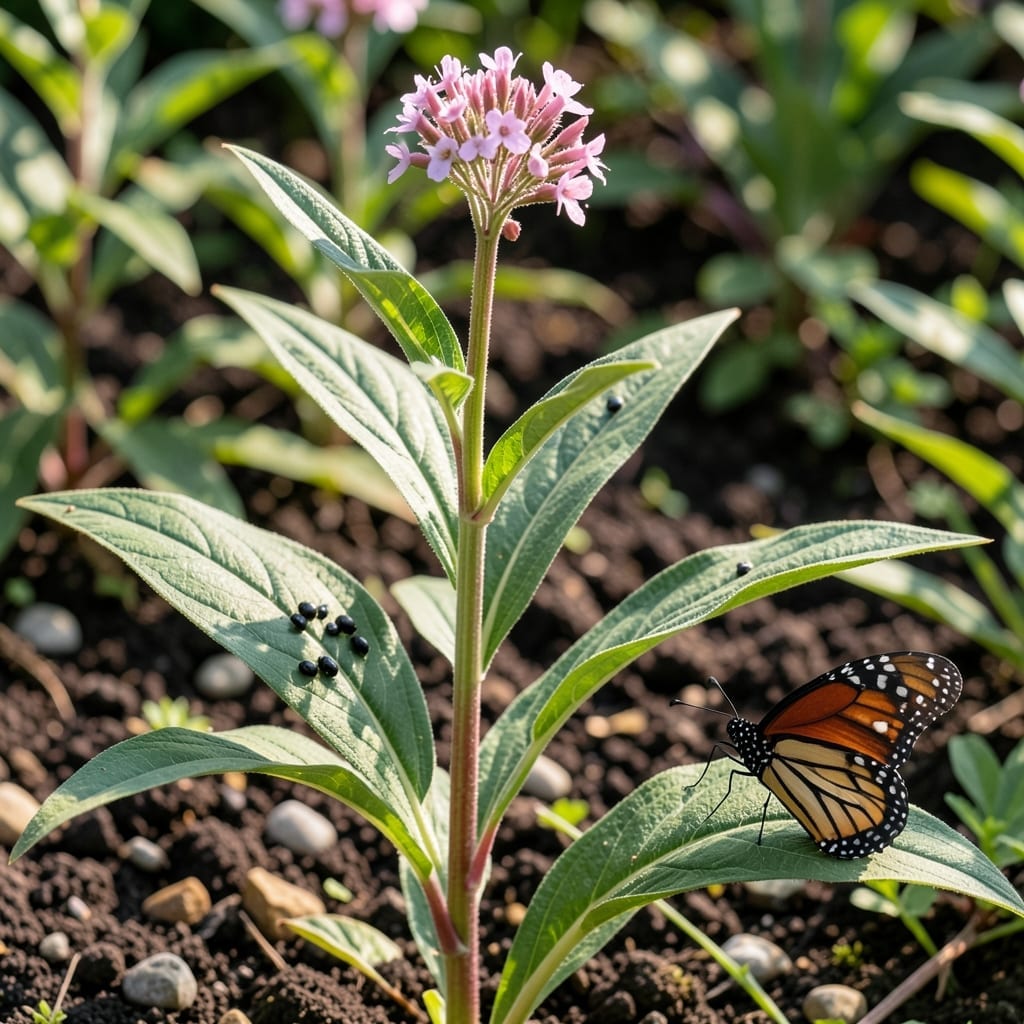
I spotted those tiny black dots on my milkweed last summer and panicked. Turns out they’re likely monarch butterfly eggs—nature’s way of starting the next generation in your garden.
Monarchs lay single eggs on the underside of milkweed leaves, each no bigger than a pinhead. The process is 100% natural and means your garden is supporting these pollinators.
If you see them, resist the urge to remove the leaves. Those eggs will hatch into caterpillars that only eat milkweed, turning your plants into a nursery for future butterflies.
For a healthy balance, plant extra milkweed to support both the butterflies and your garden’s needs. The trade-off is worth it when you see those first orange wings.
The black eggs you spot on milkweed are almost always laid by monarch butterflies (Danaus plexippus). This behavior is a critical part of their life cycle, driven by biology, instinct, and ecology. Below are the key reasons why monarchs choose milkweed for egg-laying and how it benefits their offspring.
Monarch caterpillars only eat milkweed (Asclepias spp.), a toxic plant that contains cardiac glycosides. These compounds make the caterpillars—and later, the adult butterflies—unpalatable to predators. By laying eggs on milkweed, monarchs ensure their larvae have an immediate, exclusive food source that also provides chemical defense.
Female monarchs use their antennae and feet to “taste” plants, detecting milkweed’s unique chemical signature. They’ll even scrape leaves to confirm it’s the right species before depositing a single egg per leaf. This precision prevents overcrowding and ensures each caterpillar has enough food to survive.
Milkweed thrives in open, sunny areas—ideal for monarch habitat. The plant’s widespread distribution across North America aligns with monarch migration routes. By synchronizing egg-laying with milkweed growth cycles, monarchs maximize their offspring’s chances of hatching during peak food availability.
The black eggs’ dark coloration helps them absorb heat, speeding up development in cooler climates. Additionally, their small size and scattered placement reduce the risk of predation or parasitic wasps targeting entire clutches.
If you’ve spotted black eggs on your milkweed, they’re likely from monarch butterflies or other milkweed-dependent insects. Here’s how to address common concerns while supporting these beneficial creatures. 🌿
Fix: Monarch butterfly eggs are harmless and a sign of a healthy ecosystem. Do not remove them—they’ll hatch into caterpillars that rely on milkweed as their sole food source. If you’re worried about plant damage, plant extra milkweed to accommodate the hunger of growing caterpillars.
Prevention Tip: 💡 Avoid pesticides on or near milkweed. Even organic sprays can harm eggs and larvae. Opt for hand-picking other pests if needed.
Fix: Milkweed bugs (which also lay black eggs) can multiply quickly. If they’re overwhelming your plants, gently knock them into a bucket of soapy water or relocate them to a less desirable patch of milkweed. They won’t kill the plant but may cause yellowing leaves.
Prevention Tip: 🎯 Plant native milkweed varieties, which are more resilient. Encourage natural predators like birds and spiders by maintaining a diverse garden.
Fix: Aphids (which can lay dark eggs) suck sap from milkweed. Blast them off with a strong stream of water or wipe leaves with a damp cloth. Introduce ladybugs, their natural predators, to keep populations in check.
Prevention Tip: ✨ Prune heavily infested stems and dispose of them in the trash (not compost). Inspect new plants before adding them to your garden.
By taking these targeted actions, you’ll protect your milkweed while fostering a thriving habitat for pollinators. 🌸
Monarch eggs are tiny, oval, and black with a slightly ribbed texture. They’re laid singly on the underside of leaves. Milkweed bug eggs are similar but often in clusters of 20-30.
Monarch eggs won’t damage milkweed. The caterpillars will eat leaves, but healthy plants can handle this. For heavy infestations of milkweed bugs, remove some manually to protect foliage.
Monarch eggs typically hatch in 3-8 days, depending on temperature. Warmer weather speeds up development, while cooler temps may extend the time. Keep an eye out for tiny caterpillars!