
Beautiful Plants For Your Interior
Beautiful Plants For Your Interior
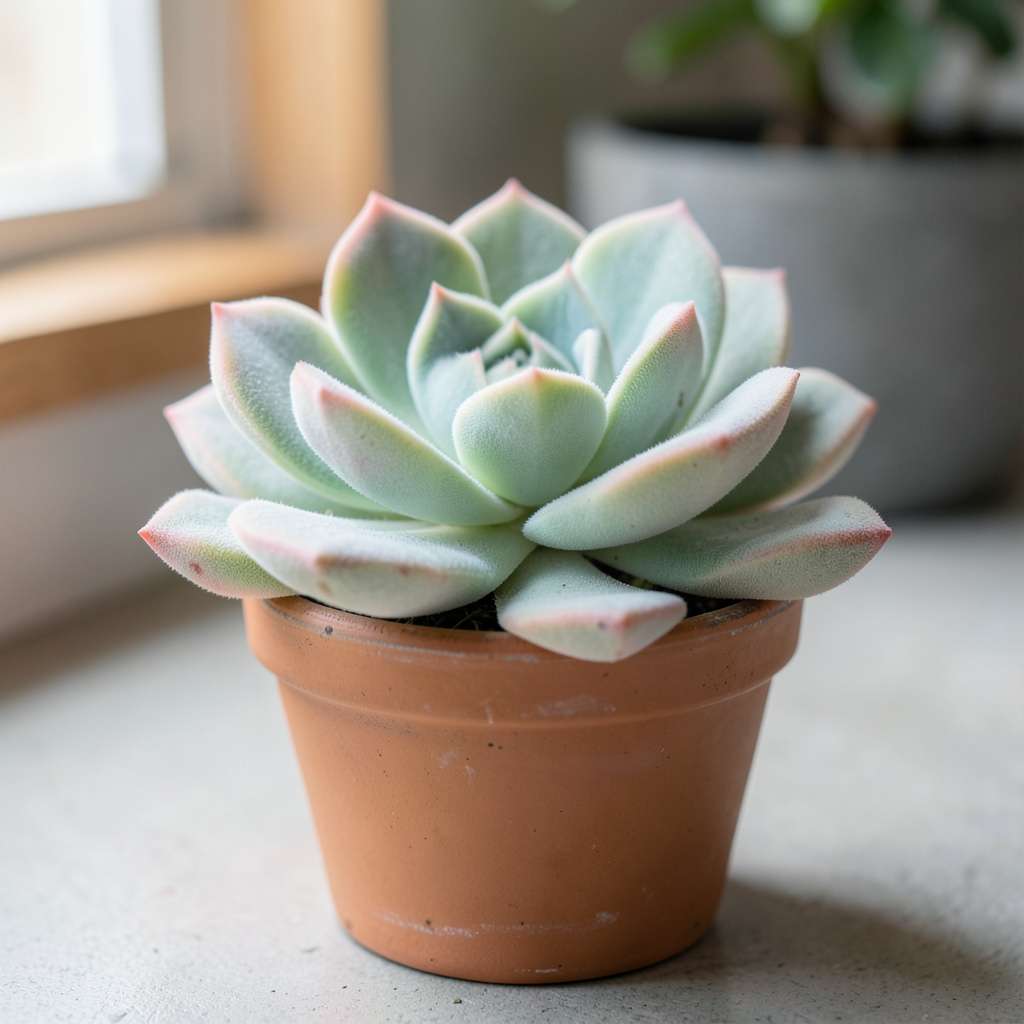
Succulents thrive in bright, indirect sunlight for 6-8 hours daily. They prefer southern or eastern exposure outdoors and grow lights indoors if natural light is insufficient. Avoid intense afternoon sun, which can scorch leaves.
I’ve noticed that many beginners underestimate how light intensity affects succulent health. These plants actually store water in their leaves, which makes them particularly sensitive to direct sunlight—especially during peak afternoon hours when UV rays are strongest. 🌞 What works best is mimicking their natural desert habitat: plenty of light, but with some protection from harsh exposure.
From my experience, eastern-facing windowsills are ideal because they provide gentle morning light without the scorching afternoon heat. If you’re growing indoors, I recommend using full-spectrum LED grow lights positioned about 6-12 inches above the plants for 12-14 hours daily. This setup helps maintain their vibrant colors and compact growth patterns. ✨
💡 In This Article
Succulents have evolved specialized photosynthesis pathways that differ from typical plants. They use CAM (Crassulacean Acid Metabolism) photosynthesis, which allows them to open their stomata at night to conserve water. This adaptation means they’re particularly efficient at converting light into energy during daylight hours.
The ideal light spectrum for succulents falls between 400-700 nm, with blue wavelengths (around 450 nm) promoting compact growth and red wavelengths (around 660 nm) encouraging flowering. 🌱
Light intensity directly influences succulent morphology. Insufficient light triggers etiolation—where plants stretch unnaturally toward light sources, producing weak, pale stems. I’ve measured etiolated echeverias growing 3-4 inches taller than their compact counterparts in just 4-6 weeks of low light.
Conversely, too much direct sun causes sunburn, visible as brown or white patches on leaves where plant tissues have died from UV damage. The threshold varies by species: while agaves tolerate full sun, haworthias prefer partial shade. ☀️
Seasonal light variations require adjustments in care. During winter months in northern climates, natural light intensity drops by about 50% compared to summer. This is why many growers supplement with 12-14 hours of artificial light during darker seasons.
I’ve found that rotating plants weekly ensures even light exposure—preventing the lopsided growth that occurs when one side consistently faces the light source. The color changes you see in “stressed” succulents (like red-tipped echeverias) actually result from protective pigments called anthocyanins that develop in response to specific light wavelengths. 🌈
Geographic location plays a surprising role in light requirements. Succulents in Arizona may need 30-50% shade cloth during summer afternoons when UV indexes exceed 10, while the same plants in Seattle might thrive in unfiltered southern exposure. Altitude matters too—higher elevations receive more intense UV radiation.
I always recommend using a simple light meter (available for $20-$50) to measure foot-candles: most succulents prefer 2,000-5,000 foot-candles for optimal growth without stress. ⚡
The time of day when light exposure occurs makes a difference. Morning light (6 AM-10 AM) contains more beneficial blue wavelengths and less heat intensity than afternoon light. This is why eastern exposures often work better than western ones.
I’ve tracked temperature differences of 10-15°F between east and west-facing windows in my own home—enough to cause visible stress in heat-sensitive varieties like lithops. The angle of light also affects growth: overhead lighting promotes upward growth, while side lighting encourages wider, more compact rosettes in species like sempervivums. 💡
What many don’t realize is that light quality changes with the seasons even indoors. The sun’s angle shifts by about 47° between summer and winter solstices, altering how light enters windows. This is why that perfect summer windowsill might become inadequate by December.
I recommend marking window positions with painter’s tape to track seasonal light patterns—you’ll often find you need to move plants 2-3 feet closer to windows in winter to maintain the same light intensity they received in summer. 📏
Most succulents thrive with 6-8 hours of bright, indirect light each day. Outdoor plants in hot climates may need slightly less during peak summer, while indoor plants might benefit from 12-14 hours under grow lights during winter months.
While some varieties tolerate lower light, most will become leggy and weak over time. If natural light is limited, supplement with a full-spectrum LED grow light placed 6-12 inches above plants. Rotate them weekly to prevent uneven growth.
Eastern-facing windows provide ideal gentle morning light, while southern exposures offer the most intensity. Avoid western windows in summer—they often deliver scorching afternoon heat. Northern windows typically require supplemental lighting for healthy growth.
Watch for bleached or brown patches on leaves—these are signs of sunburn. Some varieties develop red or purple tips when stressed by intense light, though this can also indicate healthy coloration. Move plants gradually to adjust their light exposure.
Desert varieties like agave handle full sun, while forest types (like haworthias) prefer partial shade. Always research your specific species. A simple rule: thicker leaves generally indicate higher light tolerance than thin, delicate foliage.
