
Beautiful Plants For Your Interior
Beautiful Plants For Your Interior
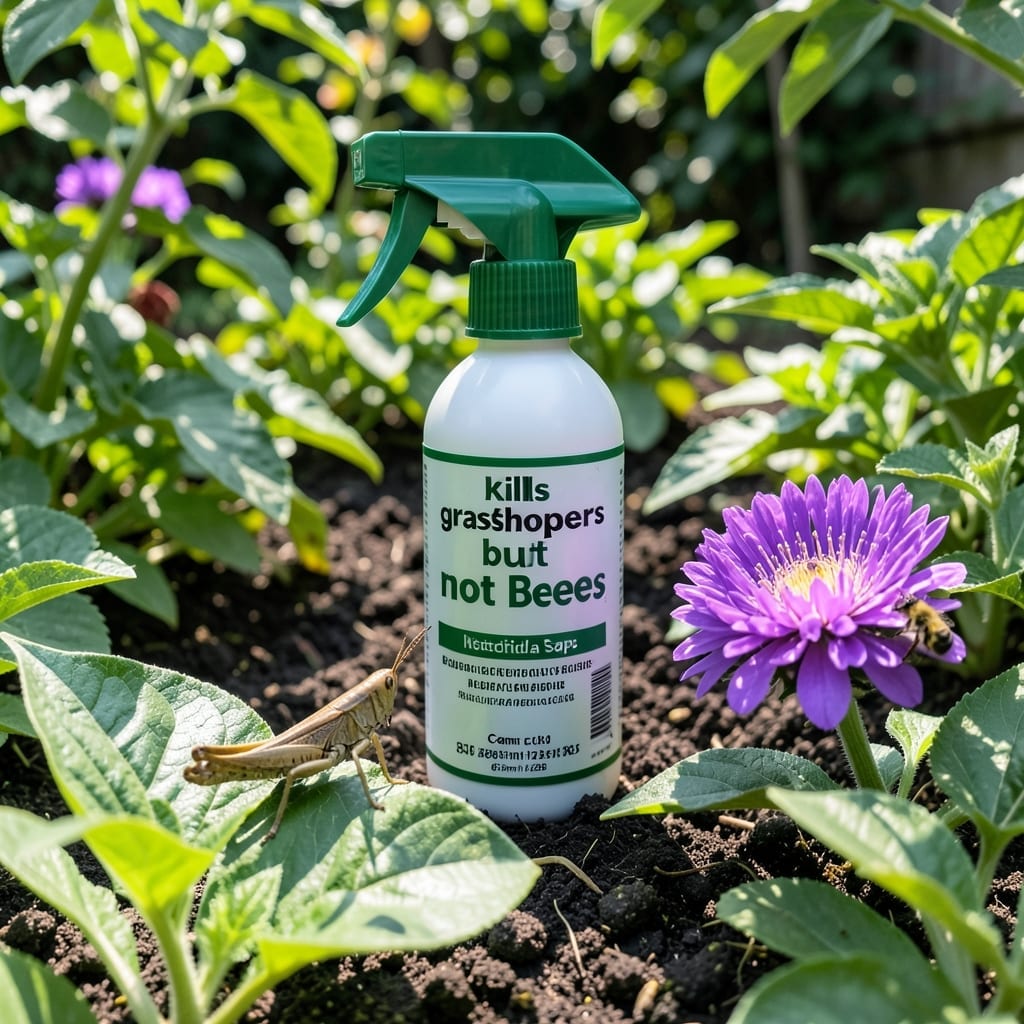
Grasshoppers decimated my vegetable patch last summer, but I refused to harm the bees. There are better ways to protect your garden without endangering pollinators.
Natural predators like birds, toads, and praying mantises keep grasshopper populations in check. Encourage them by providing water sources and native plants that attract these helpful allies.
For direct control, organic methods work best. Neem oil and insecticidal soaps target grasshoppers while sparing bees when applied correctly at dusk.
This approach preserves your garden’s ecosystem balance. You’ll see fewer chewed leaves without the guilt of harming beneficial insects.
Understanding why certain methods target grasshoppers while sparing bees comes down to biological and behavioral differences. Below are the key reasons this selectivity occurs.
Grasshoppers and bees have distinct nervous systems, making them respond differently to substances. Many insecticides, like pyrethrins or neonicotinoids, exploit this by attacking pathways unique to chewing pests (like grasshoppers) while being less toxic to pollinators. Bees, for example, metabolize certain compounds faster, reducing their vulnerability.
Grasshoppers are chewing insects that consume leaves, stems, and crops directly, making them susceptible to stomach poisons or contact sprays. Bees, however, primarily feed on nectar and pollen. Methods like bacterial sprays (e.g., Bacillus thuringiensis) only affect insects that ingest treated foliage, leaving bees unharmed as they don’t consume the sprayed parts.
Selective control often relies on precision. For instance, applying treatments at dusk (when bees are less active) or using barrier sprays on non-flowering plants reduces bee exposure. Similarly, natural predators like birds or parasitic wasps specifically hunt grasshoppers without disturbing bee populations.
Some compounds are engineered to degrade quickly or bind to surfaces bees don’t frequent. Insect growth regulators (IGRs), for example, disrupt grasshopper development but don’t affect adult bees. Similarly, diatomaceous earth works physically (damaging exoskeletons) and is harmless to bees unless directly applied to them.
Grasshoppers can wreak havoc on your garden, but you don’t want to harm beneficial pollinators like bees in the process. Here are targeted, bee-friendly solutions to keep grasshoppers in check.
Encourage natural enemies of grasshoppers to take up residence in your garden. Birds, toads, and praying mantises are all effective predators. Install birdhouses or a small water feature to attract these helpful allies. Avoid pesticides, which can deter or harm these natural hunters.
Use neem oil or garlic spray as a safe, non-toxic deterrent. Mix 2 tablespoons of neem oil with a gallon of water and a teaspoon of dish soap, then spray directly on plants. For garlic spray, blend two garlic bulbs with a quart of water, strain, and add a teaspoon of dish soap. These sprays disrupt grasshopper feeding without harming bees.
Sprinkle food-grade diatomaceous earth around the base of plants. This powder dehydrates grasshoppers but is harmless to bees when applied correctly. Reapply after rain or watering for continued effectiveness.
Plant repellent species like marigolds, cilantro, or mint near susceptible plants. These can deter grasshoppers with their strong scents. Additionally, trap crops like alfalfa or clover can lure grasshoppers away from your main garden.
By combining these methods, you can protect your plants while keeping your garden a safe haven for bees. Consistency is key—regularly monitor and reapply treatments for the best results!
No, neem oil is safe for bees when applied at dusk and sprayed directly on foliage. Bees don’t consume treated leaves, so they remain unharmed.
Reapply after rain or watering, as moisture reduces its effectiveness. A light dusting every 5-7 days keeps grasshoppers away without affecting bees.
Yes, mix 1 tablespoon of mild dish soap with 1 quart of water. Spray directly on grasshoppers—it disrupts their cell membranes but won’t harm bees.
Dusk or early evening is ideal, as bees are less active. This timing ensures maximum effectiveness while minimizing risk to pollinators.