
Beautiful Plants For Your Interior
Beautiful Plants For Your Interior
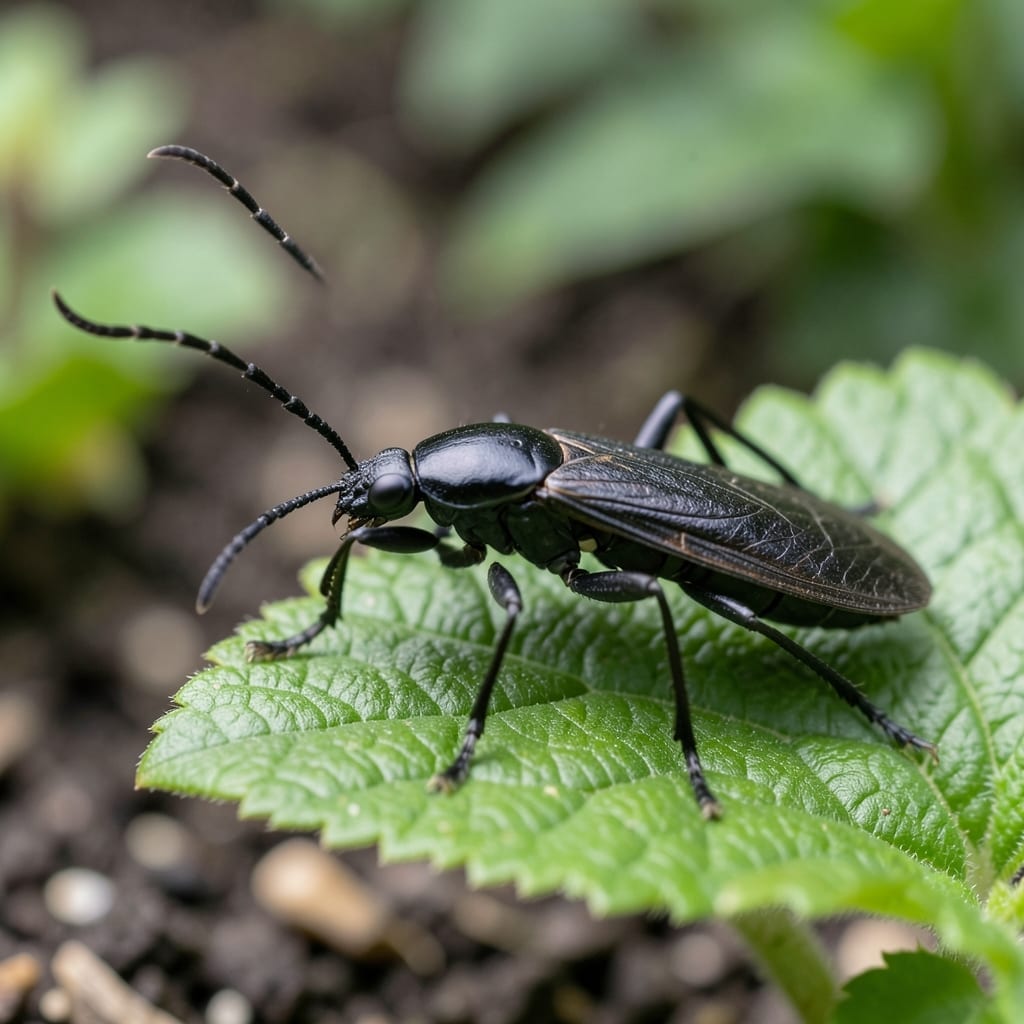
Earwigs in your garden can turn a peaceful evening into a battle. I’ve tried every trick, and the most effective solutions are often the simplest ones you already have at home.
Natural options like diatomaceous earth or soapy water work on contact, breaking down their protective oils without harming your plants. These methods are safe for your garden ecosystem and provide immediate results when applied correctly.
For heavier infestations, targeted sprays can deliver quick knockdown. The key is applying treatments where earwigs hide—under pots, in mulch, and near damp soil areas where they thrive.
Prevention is just as important as treatment. Removing hiding spots and keeping your garden clean reduces their numbers naturally over time.
Earwigs are hardy pests, but certain substances can kill them instantly. Understanding why these methods work helps you choose the most effective solution. Below are the key reasons behind immediate earwig fatality upon contact.
Diatomaceous earth (DE) is a fine powder made from fossilized algae. Its microscopic, razor-sharp edges pierce the earwig’s exoskeleton, damaging its waxy outer layer. This causes rapid moisture loss, leading to dehydration and death within hours. DE works best in dry conditions, so reapply after rain or watering.
Insecticidal soaps contain fatty acids that break down the earwig’s cell membranes. When sprayed directly, the soap penetrates their exoskeleton, dissolving internal tissues and disrupting vital functions. This process is nearly instant, making soapy water a go-to for quick kills.
Pyrethrins, derived from chrysanthemum flowers, are natural neurotoxins. They paralyze the earwig’s nervous system by overstimulating nerve cells, causing immediate muscle spasms and death. This is why pyrethrin-based sprays are so effective for on-contact control.
Salt (sodium chloride) creates a lethal osmotic imbalance when it contacts an earwig. It draws moisture out of their bodies at a cellular level, leading to rapid dehydration. Sprinkling salt directly on earwigs can kill them within minutes, though it’s less practical for large infestations.
Earwigs can be a nuisance, but you can tackle them head-on with these contact-killing solutions and preventive measures. Here’s how to solve the problem effectively.
💡 Pro Tip: Apply treatments in the evening when earwigs are most active for maximum effectiveness.
Yes, 70% isopropyl alcohol kills earwigs on contact by breaking down their protective wax layer. Spray directly for immediate results.
Food-grade diatomaceous earth typically kills earwigs within 24-48 hours by causing dehydration. It works faster in dry conditions.
A mix of dish soap and water disrupts their cell membranes, killing them within minutes of contact. Reapply after rain.
Yes, but use caution. Diatomaceous earth and soapy water are safe indoors, while alcohol may damage surfaces. Always test first.