
Beautiful Plants For Your Interior
Beautiful Plants For Your Interior
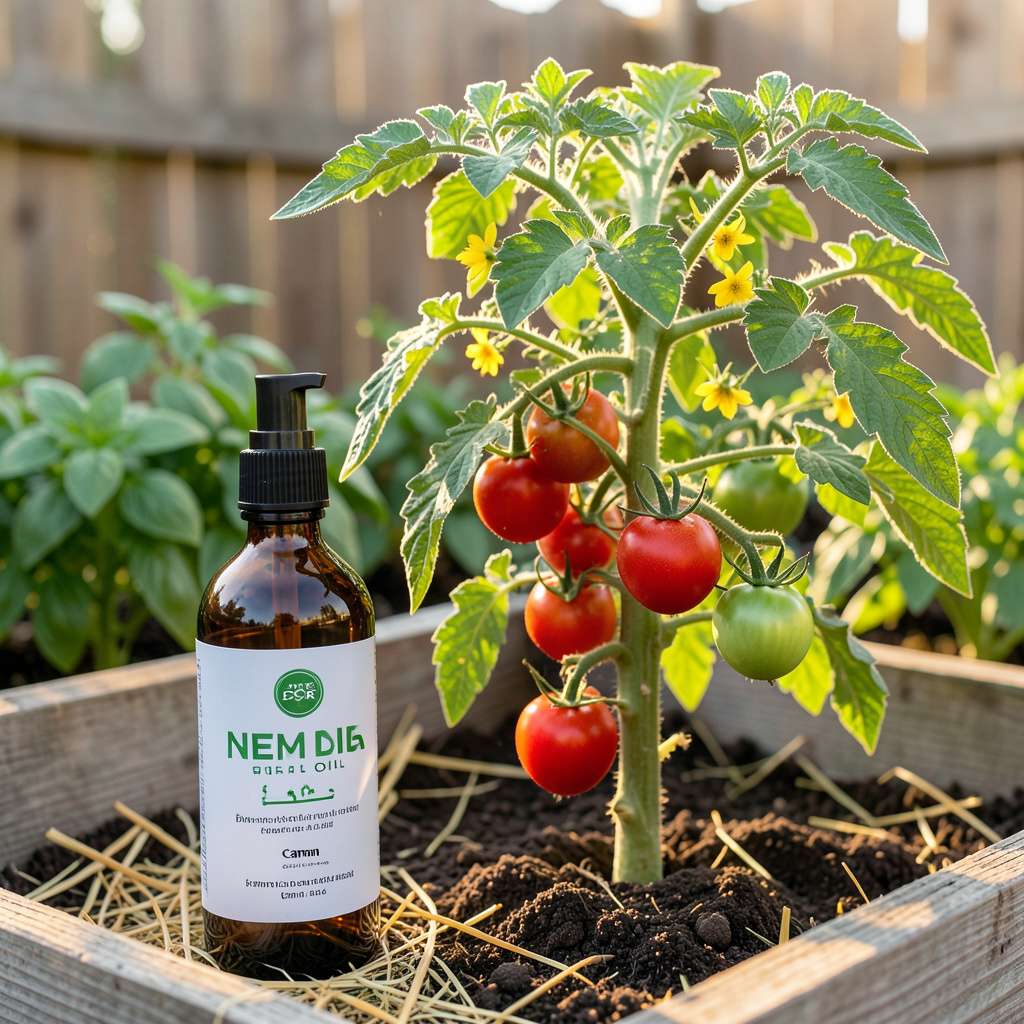
Neem oil is a natural insecticide derived from neem tree seeds, used to repel pests and treat fungal issues in plants without harming beneficial insects or the environment.
What I find fascinating about neem oil is its active compound, azadirachtin, which disrupts insect feeding and reproduction. 🌱 This means it can effectively target pests while keeping beneficial insects safe, like bees. It’s a great choice for those looking to maintain an eco-friendly garden while addressing pest problems.
When using neem oil, timing and application methods are crucial. For instance, applying it during the early morning or late evening can enhance its effectiveness while minimizing potential harm to plants. 🌞 I always mix it with water according to recommended ratios for the best results.
💡 In This Article
The effectiveness of neem oil as an insect repellent stems from its primary active compound, azadirachtin. This compound affects insects by disrupting their hormonal systems, particularly during the molting process. When pests ingest azadirachtin, it inhibits their ability to grow and reproduce. 🌱
For example, studies show that azadirachtin can reduce the feeding behavior of aphids by up to 90%, leading to significant population control. The beauty of this mechanism lies in its selectivity; beneficial insects like bees are largely unaffected, allowing pollination to continue unhindered. 🌼
Another interesting aspect is how neem oil can deter pests even before they start feeding. The oil coats the leaves, producing a bitter taste that many insects find unpalatable. This preventive measure is especially useful for crops vulnerable to infestations. 🌿
Timing is critical when applying neem oil. Applying it in the early morning or late evening minimizes the risk of harming beneficial insects while maximizing its effectiveness against pests. This strategic timing allows azadirachtin to work best under cooler temperatures and lower sunlight intensity. 🕶️
In terms of application rates, a typical dilution might involve mixing 2 tablespoons of neem oil with 1 gallon of water, often with a few drops of liquid soap to help emulsify the oil. This mixture should be sprayed directly onto affected plants for optimal results. 🌧️
Moreover, neem oil not only acts as a pesticide but also possesses antifungal properties. It’s effective against common plant diseases like powdery mildew and black spot, enhancing the overall health of your garden. This dual action is beneficial for organic gardeners looking to maintain plant vitality without harsh chemicals. 🍃
