
Beautiful Plants For Your Interior
Beautiful Plants For Your Interior
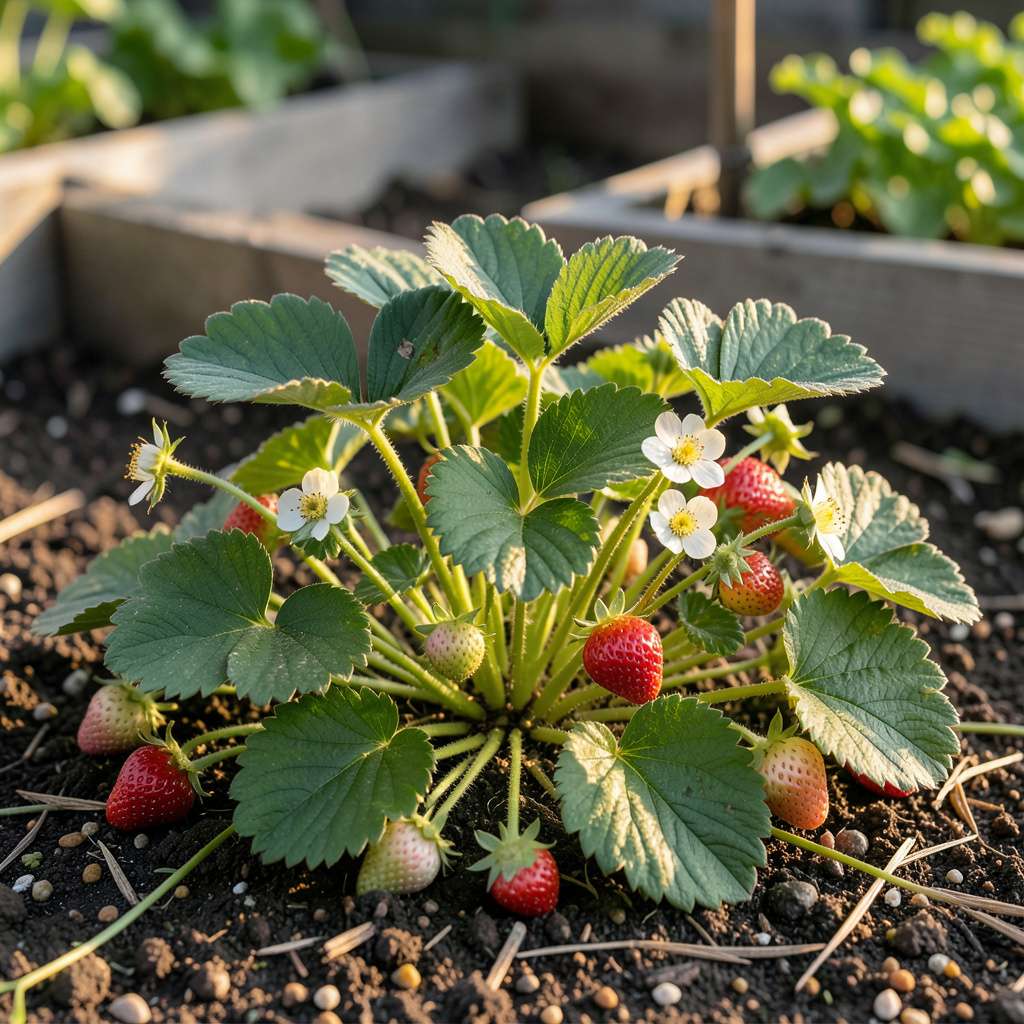
Slugs, snails, and birds are the most common culprits eating strawberries, but squirrels, deer, and insects like beetles or earwigs may also be to blame. Check for chewed leaves, slime trails, or missing fruit to identify the pest.
I’ve spent years troubleshooting strawberry patches, and the key to solving this mystery lies in the timing and type of damage you observe. 🔥 Nighttime raids usually point to slugs or snails leaving their telltale silvery trails, while daytime disappearances often mean birds or squirrels are your culprits. The pattern matters too—jagged holes suggest beetles, while clean bites might indicate deer browsing. What many gardeners overlook is that some pests, like earwigs, actually prefer damaged fruit, so they’re often secondary invaders rather than the primary problem.
💡 In This Article
Here’s what’s actually happening in your strawberry patch: each pest leaves a distinct calling card. Slugs and snails create irregular holes with ragged edges, always accompanied by shiny silver slime trails that dry to a clear film.
These mollusks feed primarily at night when humidity is above 80%, so you’ll often see fresh damage in the morning. The slime contains mucus proteins that actually help them slide while protecting their soft bodies from sharp leaf edges.
Birds, particularly robins and starlings, leave very different evidence. They peck precise, 1/4-inch diameter holes in ripe fruit, often removing entire berries or just the red flesh. Look for scattered hulls (the green leafy caps) on the ground—this is a dead giveaway.
🐦 Morning raids are most common because birds target the ripest, most colorful berries first. Unlike mammals, they rarely damage leaves or stems, focusing exclusively on the fruit itself.
Insect damage tells another story entirely. Japanese beetles skeletonize leaves by eating the soft tissue between veins, while strawberry root weevils create notched edges on leaves. Earwigs leave shallow, jagged bites on fruit surfaces, often congregating under mulch during the day.
The timing matters too—beetle damage peaks in late June through July when their populations explode, while weevils are most active at night when temperatures exceed 60°F.
Mammal pests create the most dramatic destruction. Deer browse entire plants, leaving clean cuts where stems meet the crown. Squirrels and chipmunks will carry off whole berries, sometimes leaving tiny teeth marks on remaining fruit. 🐿️ Raccoons are the messiest eaters—they’ll pull up entire plants to access berries, leaving disturbed soil and scattered plant debris.
The key difference is that mammals feed both day and night, while most insects and mollusks have specific activity windows.
Consider these distinctive patterns when investigating:
The location of damage on the plant reveals clues too. Leaf-eaters (beetles, weevils) typically start at the plant’s base and work upward, while fruit-focused pests (birds, squirrels) go straight for the berries. Slugs and snails often target low-hanging fruit touching the soil, creating a gradient of damage from bottom to top.
This vertical pattern can help you distinguish between ground-dwelling and flying pests at a glance.
What most gardeners don’t realize is that some “damage” is actually beneficial. Minor leaf nibbling by certain insects can stimulate plant growth hormones, sometimes resulting in more fruit production. The real problem occurs when pests target the fruit itself or damage the crown where new growth emerges.
🌱 I’ve found that plants can tolerate up to 20% leaf loss without yield reduction, but any fruit damage directly impacts your harvest.
Timing your inspections makes all the difference. Check plants at dawn to catch nocturnal feeders in action, and again at dusk when many pests become active. Use a red-tinted flashlight for night inspections—most insects can’t see red light, so they won’t be startled away.
The freshness of damage tells you when to set traps: slime trails that are still moist indicate slugs were active within the last 2-3 hours.
Here’s a pro tip from my garden journal: Create a “damage map” by sketching your strawberry patch and marking where you find different types of damage. Over 3-5 days, patterns will emerge showing you exactly where to focus your control efforts.
I once discovered that 80% of my slug damage was coming from just one corner of the bed where moisture collected—fixing the drainage there solved most of my problems without needing pesticides.
Check for shiny silver slime trails on leaves and fruit first thing in the morning. Slugs leave irregular holes with ragged edges, often targeting low-hanging berries touching the soil.
Use a red-tinted flashlight after 9 PM to spot them—they won’t see the red light. Look for fresh damage that appears overnight when humidity exceeds 80%.
Lightweight floating row covers or 1/2-inch mesh netting work best. Secure edges tightly to prevent birds from sneaking underneath.
For a quick fix, place shiny objects like old CDs near plants—the reflections scare birds away. Just move them every 2-3 days so birds don’t get used to them.
Coffee grounds can deter slugs and ants when sprinkled around plants, but they’re not foolproof. The caffeine is toxic to some pests, while the texture creates a barrier.
Use 1/4-inch layer and refresh after rain. Combine with other methods like beer traps for better results—coffee alone may not be enough for heavy infestations.
Inspect plants every 2-3 days during peak season (spring through early summer). Morning and evening checks catch different pests at their most active times.
After rain or irrigation, always check for slugs and snails—they’re most active when soil is moist. Keep a garden journal to track patterns over 3-5 days.
Yes, but apply it carefully. Food-grade diatomaceous earth is safe but must stay dry to work. Sprinkle a thin layer around (not on) plants after rain.
Reapply every 5-7 days or after wet weather. Avoid breathing it in during application—wear a simple dust mask for protection.
