
Beautiful Plants For Your Interior
Beautiful Plants For Your Interior
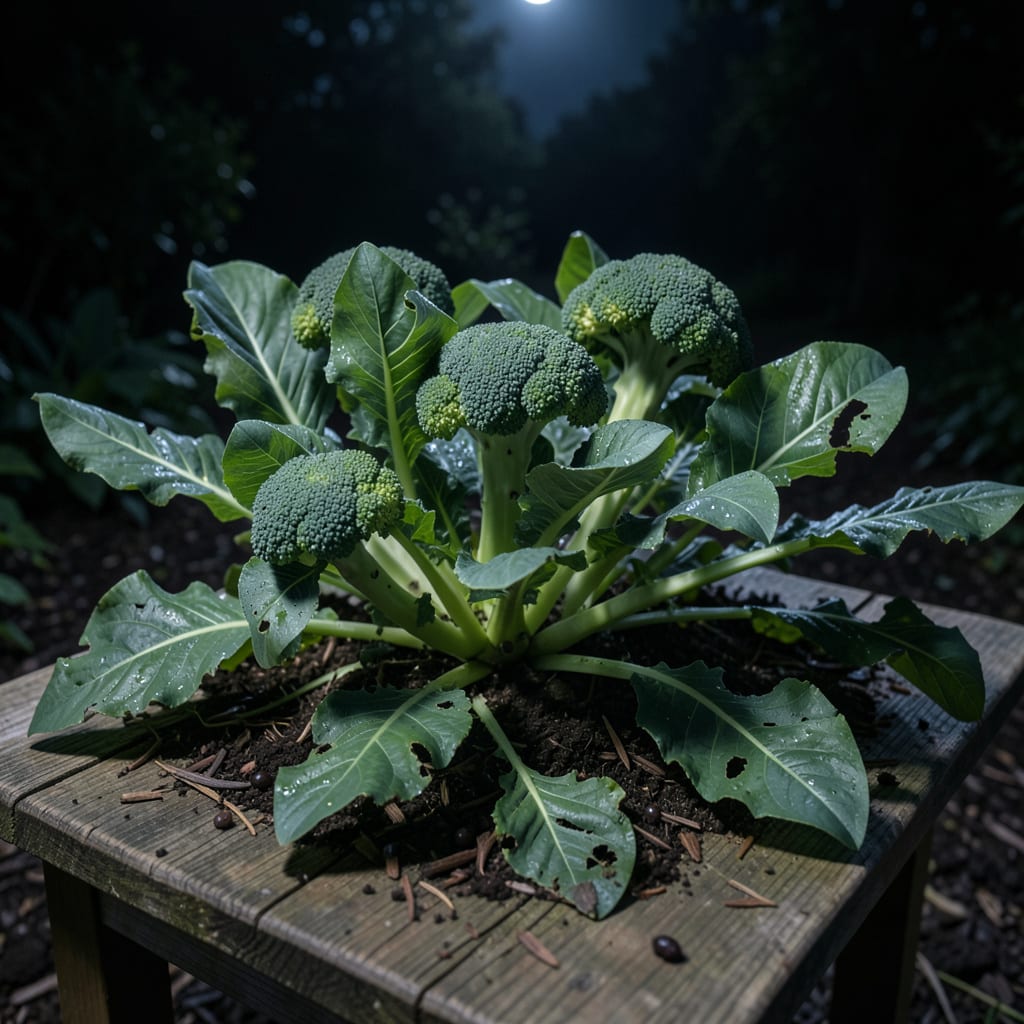
Waking up to shredded broccoli leaves is frustrating. I’ve been there—inspecting plants by flashlight to catch the culprits in action.
Most nighttime damage comes from slugs, snails, or cutworms, all leaving distinct patterns. Slugs create irregular holes, while cutworms sever young stems at soil level.
Simple solutions work best: hand-pick pests after dark, set up beer traps for slugs, or create barriers with crushed eggshells. These methods are 100% organic and effective.
Prevention is easier than cure—keep garden beds clean and check plants daily. You’ll spot trouble before it spreads.
Nocturnal pests are often the unseen culprits behind the damage to your broccoli leaves. Here’s why it happens, broken down by the most likely offenders:
Trichoplusia ni (cabbage looper) and Pieris rapae (imported cabbageworm) are active at night, chewing irregular holes in leaves. These caterpillars thrive in cool, moist conditions and are drawn to the tender foliage of broccoli. Their green coloration blends with the plant, making them hard to spot during the day.
These insects are opportunistic feeders. While they prefer grasses, they’ll munch on broccoli leaves if other food sources are scarce. Crickets, in particular, are nocturnal and can cause jagged, ragged edges on leaves as they chew from the outer margins inward.
These slimy pests leave a telltale silver trail of mucus as they feed. They rasp away at leaves with their file-like tongues, creating large, irregular holes. Slugs and snails are most active in damp, humid nights, especially after rain or heavy watering.
Deer mice, voles, or even rabbits may visit your garden at night. They clip leaves cleanly at the base or leave larger, jagged bites. Rodents often leave behind droppings near the plant, while rabbits tend to nibble the youngest, most tender leaves first.
Though they prefer decaying plant matter, earwigs will occasionally feed on live broccoli leaves, especially if the garden lacks mulch or compost. They chew small, irregular notches along the leaf edges, often targeting seedlings or stressed plants.
If your broccoli leaves are disappearing overnight, these targeted fixes will help you reclaim your garden. Act fast to protect your plants and prevent further damage.
Create a copper tape barrier around your broccoli bed—slugs and snails dislike the reaction it causes. Alternatively, set up beer traps (bury a shallow container filled with beer at soil level; they’ll drown in it). For a non-toxic approach, sprinkle diatomaceous earth around plants to dehydrate these pests.
Prevention tip: 💡 Remove hiding spots like boards or debris near the garden, and water plants in the morning so the soil dries by night.
Spray plants with a neem oil solution (mix 1 tsp neem oil + ½ tsp dish soap + 1 quart water) at dusk to disrupt their feeding. Introduce beneficial insects like parasitic wasps or ladybugs, which prey on cabbage worm eggs. Handpick worms off leaves at night with a flashlight if the infestation is small.
Prevention tip: 🌡️ Use floating row covers to physically block adult butterflies from laying eggs on leaves.
Roll up damp newspaper and place it near plants; earwigs will hide in it by morning, and you can dispose of them. Alternatively, fill shallow containers with soy sauce or vegetable oil—they’ll crawl in and drown.
Prevention tip: ✨ Reduce mulch and leaf litter around plants, as earwigs thrive in moist, cluttered areas.
Blast leaves with a strong stream of water to dislodge mites, especially on the undersides. Release predatory mites (like Phytoseiulus persimilis) to naturally control their population. Avoid over-fertilizing with nitrogen, which attracts mites.
Prevention tip: 🎯 Keep plants well-hydrated, as mites prefer dry, stressed plants.
Look for clues like silver trails (slugs/snails) or jagged leaf edges (crickets). Cabbage worms leave irregular holes, while rodents clip stems cleanly at the base.
Yes! Use beer traps for slugs, neem oil sprays for worms, or copper barriers. These methods are safe for plants and the environment.
Inspect plants after dark with a flashlight. Many nocturnal pests are most active between 10 PM and midnight, making them easier to spot and remove.
Possibly. Prevent reinfestation by removing debris, using floating row covers, and maintaining consistent treatments. Regular monitoring helps catch new pests early.
