
Beautiful Plants For Your Interior
Beautiful Plants For Your Interior
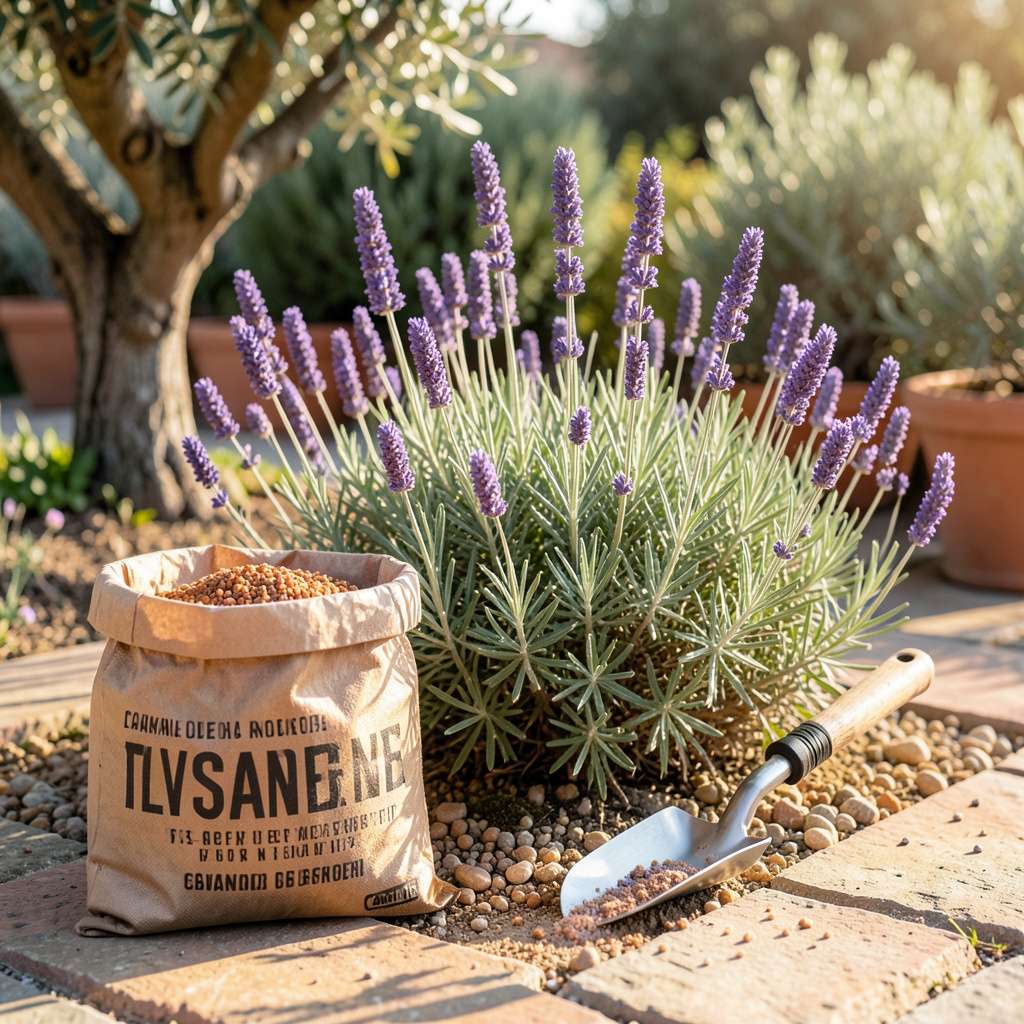
DG in landscaping stands for Decomposed Granite, a natural, gravel-like material made from weathered rock. It’s commonly used for pathways, patios, and ground cover due to its durability, permeability, and rustic aesthetic.
I love working with this material because it combines the best of both worlds—natural beauty with serious functionality. 🌿 Unlike traditional concrete or pavers, it allows rainwater to seep through naturally, which prevents puddling and helps recharge groundwater. What really sets it apart is how it compacts just enough to create a stable surface while still feeling soft underfoot, making it perfect for everything from garden trails to modern courtyard designs.
From my experience, the key advantage comes from its versatility. You can use it loose for a more organic look or stabilize it with binders for high-traffic areas. Plus, the color options—from warm golds to cool grays—let you match any landscape style while keeping that natural, earthy charm.
💡 In This Article
Decomposed granite begins its journey as solid granite rock that gradually breaks down through natural weathering processes. Over thousands of years, exposure to wind, rain, and temperature fluctuations causes the granite to fracture and crumble into smaller particles.
What makes this material special is its granular composition—typically ranging from 1/4-inch to fine dust—which creates a unique balance between stability and permeability when compacted.
The geological transformation gives DG its distinctive properties. Unlike crushed stone, decomposed granite contains a mix of angular and rounded particles that interlock when compacted, creating a surface that’s firm yet slightly flexible.
This natural interlocking action is why it resists erosion so well while still allowing water to drain through at rates up to 30 inches per hour—far exceeding concrete’s drainage capabilities. The material’s porosity also prevents puddling, making it ideal for sloped areas where water runoff is a concern.
What I find fascinating is how the decomposition process affects the material’s color and texture. The oxidation of iron and other minerals during weathering creates those beautiful earthy tones—from warm golds to soft grays—that blend seamlessly with natural landscapes.
The finer particles act like a natural binder, helping the material stay in place while the larger granules provide structure and prevent compaction from becoming too dense.
From a practical standpoint, this natural composition makes DG incredibly versatile. When properly installed with a 4-6 inch base layer and compacted in 2-inch lifts, it creates a surface that can support foot traffic, lightweight vehicles, and even patio furniture without shifting excessively.
The material’s ability to “breathe” also prevents the growth of moss and algae that often plague solid surfaces in shaded areas.
The thermal properties are another hidden benefit. Unlike asphalt or concrete that absorb and radiate heat, decomposed granite stays relatively cool underfoot—typically 10-15°F cooler than traditional paving materials on hot days. This makes it particularly comfortable for barefoot walking in garden paths or around pool areas where heat retention is a concern.
One aspect that often surprises people is how the material evolves over time. Newly installed DG appears loose and granular, but after a few rain cycles and natural settling, it develops a firmer surface that still maintains its permeability.
This self-stabilizing quality reduces maintenance needs compared to other loose materials like mulch or wood chips that require frequent replenishment.
For erosion control, the material’s natural cohesion is remarkable. On slopes up to 20 degrees, properly installed decomposed granite can prevent soil loss without needing retaining structures.
The particles create a protective layer that absorbs rainfall impact while allowing water to percolate through gradually, which is why it’s so effective in preventing runoff that carries away topsoil.
The acoustic properties are worth noting too—DG absorbs sound rather than reflecting it like hard surfaces. This makes it an excellent choice for urban courtyards or meditation gardens where noise reduction is desirable. The soft crunch underfoot provides just enough auditory feedback to feel substantial without being jarring like gravel can sometimes be.
What most people don’t realize is that decomposed granite actually improves over time. As the material weathers in place, the finer particles migrate downward, creating an increasingly stable base layer while the surface maintains its permeability.
This natural maturation process means your pathway or patio will often look and perform better after a year or two than it did when first installed. ✨
DG is completely natural and non-toxic, making it perfect for family spaces. The rounded edges of weathered particles are gentler than sharp gravel, though I always recommend wearing shoes for extended play. Just ensure proper installation to prevent loose particles from being tracked indoors.
With proper installation and maintenance, DG can last 10-15 years or more. Stabilized varieties often outlast loose versions by 3-5 years due to their binders. Annual top-ups of 1/4-inch help maintain appearance and performance over time.
DIY installation is definitely possible for loose DG! You’ll need to excavate 4-6 inches, add a weed barrier, then compact in 2-inch layers. Stabilized DG requires professional equipment for proper binder activation. Always rent a plate compactor—hand tamping won’t achieve the right density.
A quality weed barrier beneath your DG prevents most growth. For any sprouts, organic pre-emergents work well without harming plants. I’ve found that 1/4-inch particle size with proper compaction creates a surface too dense for most weeds to penetrate. Regular sweeping maintains this protective layer.
DG offers superior permeability (30x faster drainage), stays 10-15°F cooler, and costs 30-50% less to install. While concrete handles heavier loads, DG provides natural beauty and flexibility for shifting ground. It’s ideal where water absorption and eco-friendliness are priorities.
