
Beautiful Plants For Your Interior
Beautiful Plants For Your Interior
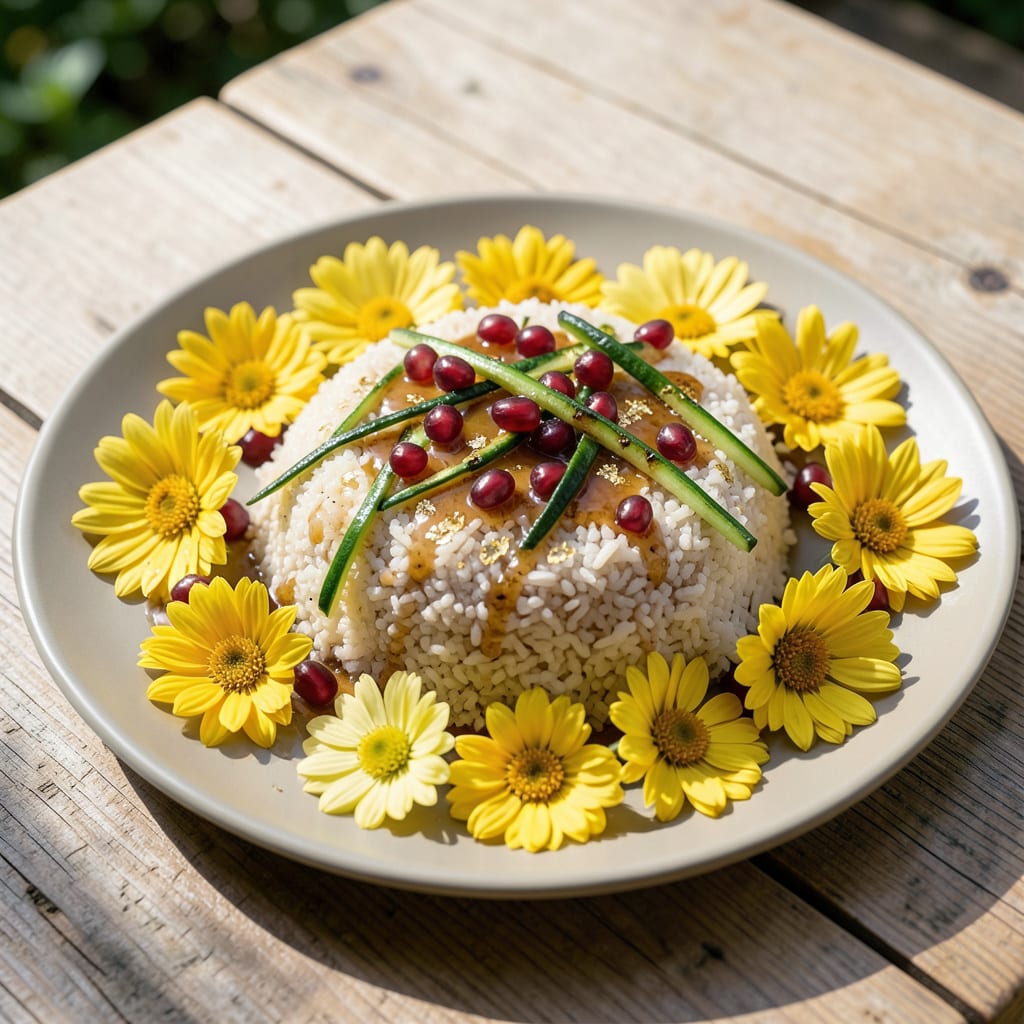
Sunshine on a stem. I first noticed these cheerful yellow daisies brightening my neighbor’s autumn garden when everything else had faded to dull browns and grays.
These aren’t your typical aster—most people picture purple or pink blooms. The yellow varieties bring something different: golden petals that glow like captured sunlight, blooming when most flowers are calling it quits for the season.
They thrive in full sun with well-draining soil, asking only for occasional water once established. Plant them in spring or fall, and they’ll return every year with even more blooms.
Perfect for borders, cutting gardens, or anywhere you want late-season color that pollinators can’t resist. Here’s how to grow them right.
Asters turning yellow can be alarming, but the cause is often tied to environmental or cultural conditions. Below are the most common reasons this vibrant perennial may lose its color.
Yellowing leaves, especially between the veins, often signal a lack of essential nutrients. Iron or nitrogen deficiency is a primary culprit. Iron chlorosis causes younger leaves to turn yellow while veins stay green, while nitrogen deficiency typically affects older leaves first. A soil test can confirm the issue—amend with iron chelates or a balanced fertilizer to restore health.
Too much water or soggy soil suffocates asters’ roots, preventing nutrient uptake. This leads to yellowing, wilting, or stunted growth. Ensure your garden has well-draining soil and water only when the top inch of soil is dry. Raised beds or adding organic matter can improve drainage.
While asters love sunlight, intense heat or prolonged drought can scorch their leaves, turning them yellow or brown. In hot climates, provide afternoon shade and maintain consistent moisture. Mulching around the base helps retain soil moisture and regulate temperature.
Pests like aphids or spider mites sap plant juices, causing yellowing or speckled leaves. Fungal diseases, such as powdery mildew, can also discolor foliage. Treat infestations with insecticidal soap or neem oil, and improve air circulation to prevent fungal issues.
If your asters are turning yellow, don’t panic—there are clear fixes for each common cause. Here’s how to nurse your plants back to vibrant health.
Yellowing leaves often signal a lack of nutrients. Fix it: Test your soil’s pH (asters prefer slightly acidic to neutral, 6.0–7.0). Amend with compost or a balanced fertilizer (10-10-10) to replenish nitrogen, phosphorus, and potassium. Prevention tip: 💡 Feed asters with a slow-release fertilizer in early spring to avoid deficiencies.
Soggy roots can cause yellowing and wilting. Fix it: Check the soil—if it’s waterlogged, improve drainage by mixing in perlite or sand. Water only when the top inch of soil feels dry. Prevention tip: ✨ Plant asters in raised beds if your garden has heavy clay soil.
Aphids, spider mites, or lace bugs can suck the life out of leaves, turning them yellow. Fix it: Spray plants with insecticidal soap or neem oil, focusing on the undersides of leaves. For severe cases, remove heavily infested foliage. Prevention tip: 🎯 Encourage ladybugs and lacewings—natural predators of pests—by planting companion flowers like marigolds.
Asters thrive in full sun (6+ hours daily), but too much intense heat or deep shade can stress them. Fix it: Relocate potted asters to a sunnier spot or provide afternoon shade in scorching climates. For garden plants, thin nearby foliage to improve light access. Prevention tip: 🌡️ Mulch around the base to retain moisture and regulate soil temperature.
Powdery mildew or root rot can yellow leaves. Fix it: Remove infected leaves and treat with a fungicide (copper-based or sulfur). Space plants 18–24 inches apart for airflow. Prevention tip: 🍃 Water at the base in the morning to keep foliage dry.
Yellow asters bring warm, golden blooms that stand out against the typical purple or pink varieties. They bloom late in the season, adding bright color when most other flowers have faded.
While they prefer full sun, they can tolerate partial shade, especially in hot climates. However, expect fewer blooms in less sunlight. Aim for at least 4-6 hours of sun daily.
Water deeply once a week, allowing the top 1-2 inches of soil to dry between waterings. Once established, they’re quite drought-tolerant. Overwatering can lead to yellowing leaves.
Their bright blooms are a magnet for bees, butterflies, and other pollinators. Planting them can help support local ecosystems while adding beauty to your garden.
