
Beautiful Plants For Your Interior
Beautiful Plants For Your Interior
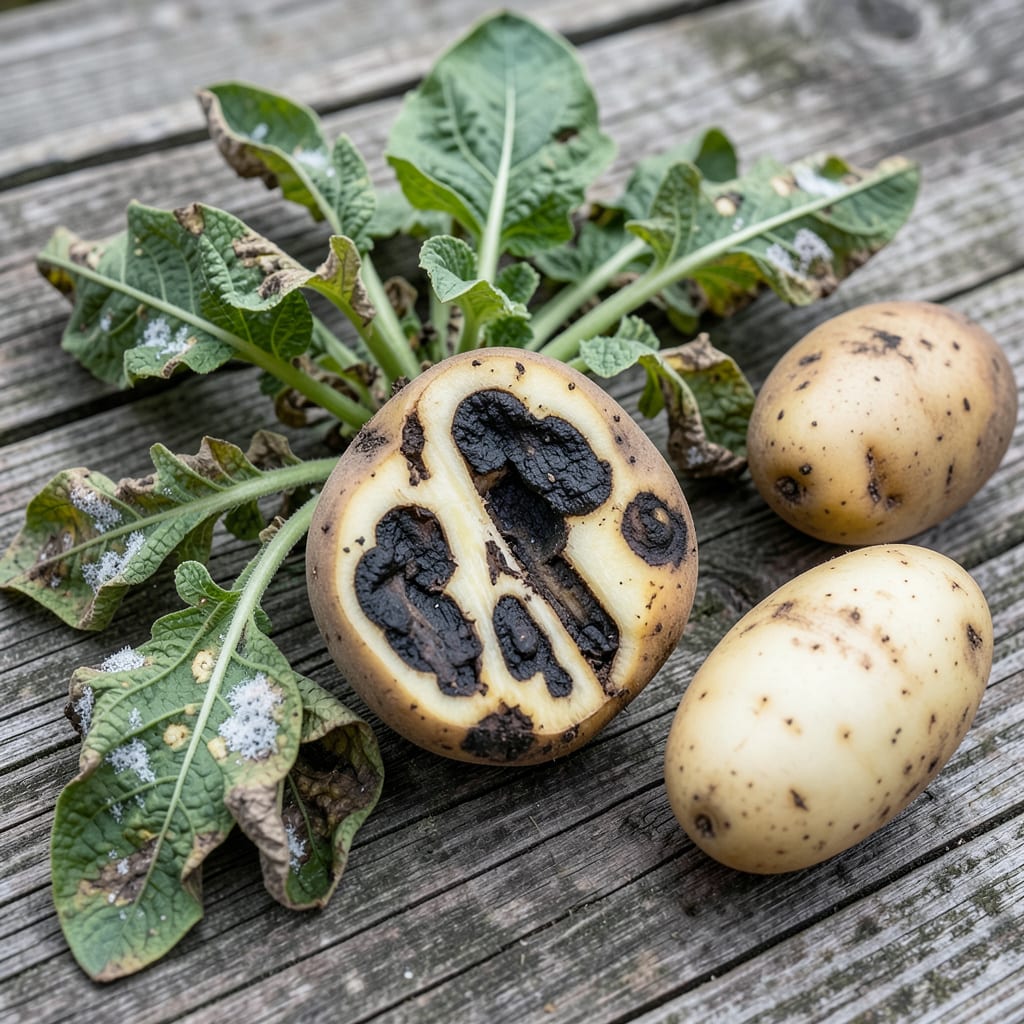
I lost an entire potato crop to this last summer. One week they looked fine, the next they were blackened and rotting. Potato blight spreads fast, turning healthy plants into a soggy, stinking mess in days.
This disease thrives in wet, cool conditions, hitting leaves first with dark spots before moving to tubers underground. Early signs include brown patches on leaves with a white ring around the edges. Left unchecked, it destroys both foliage and harvest.
Catching it early is your only chance. Remove infected plants immediately, avoid overhead watering, and rotate crops yearly. Copper fungicides can help, but prevention beats treatment every time.
Works for home gardens and small farms. Here’s how to spot it before it spreads.
Potato blight, a devastating disease, primarily stems from the pathogen Phytophthora infestans. This organism thrives under specific conditions, leading to widespread crop damage. Below are the key causes behind its occurrence:
The primary culprit is the oomycete Phytophthora infestans, a fungus-like organism that infects potato plants. It spreads rapidly through spores, which germinate and penetrate plant tissues, especially in wet conditions. This pathogen overwinters in infected tubers or plant debris, making it persistent.
High humidity and prolonged leaf wetness create the perfect environment for blight to flourish. Rainy weather, overhead irrigation, or poor drainage can keep foliage wet for extended periods, accelerating spore germination and infection. Fields with poor air circulation are particularly vulnerable.
P. infestans thrives in moderate temperatures, typically between 60–77°F (15–25°C). These conditions speed up its life cycle, allowing it to infect plants quickly. Cooler nights with dew formation further exacerbate the problem by maintaining moisture on leaves.
Planting seed potatoes already carrying the pathogen introduces blight directly into the field. Even a single infected tuber can spread the disease to an entire crop. Always use certified disease-free seed potatoes to minimize this risk.
Growing potatoes or other solanaceous crops (like tomatoes) in the same field year after year allows P. infestans to survive in the soil. Rotating crops with non-host plants (e.g., cereals or legumes) disrupts its life cycle and reduces infection chances.
Understanding these causes helps in implementing preventive measures like proper drainage, resistant varieties, and timely fungicide application.
Dealing with potato blight can be frustrating, but these practical solutions will help you tackle the problem head-on and protect your crop.
If you spot black or brown lesions on leaves, stems, or tubers, act fast. Pull out and destroy infected plants to prevent the fungus from spreading. Do not compost them—burn or dispose of them in sealed bags to avoid contamination.
Copper fungicides are a go-to for organic and conventional growers. Spray early in the season as a preventive measure, or at the first sign of infection. Follow label instructions for dosage and reapplication intervals. Reapply after rain for continued protection.
Blight thrives in wet, humid conditions. Space plants properly, prune excess foliage, and avoid overhead watering. Use drip irrigation to keep leaves dry. If your soil is poorly drained, consider raised beds to reduce moisture buildup.
Avoid planting potatoes or related crops (like tomatoes) in the same spot year after year. Rotate with non-host plants (e.g., beans, corn, or carrots) for at least 3–4 years to break the disease cycle and starve the fungus.
Prevention Tips:
Look for dark brown or black spots on leaves with a pale ring around the edges. Leaves may turn yellow and wither. Tubers often develop rotten, discolored patches. Early detection is key to stopping the spread.
Yes, it can affect other nightshade family members like tomatoes and eggplants. Keep these plants separated to prevent cross-contamination. Always remove and destroy infected plants immediately.
Possibly. Remove infected plants, apply copper fungicide, and improve airflow. Avoid overhead watering to keep foliage dry. Prevention is easier than cure, so act fast at the first sign.
