
Beautiful Plants For Your Interior
Beautiful Plants For Your Interior
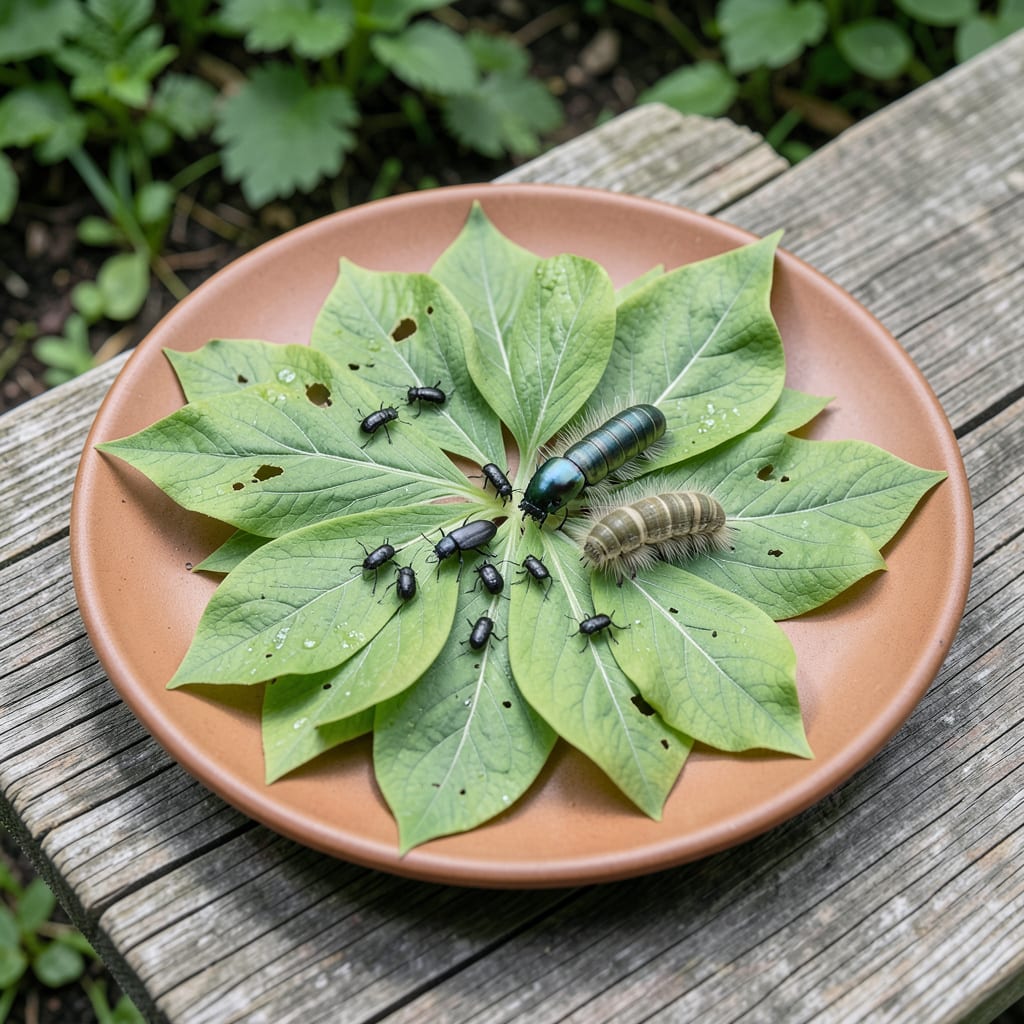
Those beautiful columbine blooms attract more than just pollinators. I’ve lost entire plants overnight to hungry visitors that turn lush foliage into lace.
The usual suspects? Deer, rabbits, and slugs treat columbine like an all-you-can-eat buffet. Even Japanese beetles and leaf miners join the party, leaving ragged edges and skeletonized leaves behind.
Here’s the thing—natural defenses work better than you’d expect. Fencing keeps deer out, while crushed eggshells deter slugs without chemicals.
With the right approach, you can protect your columbines and still enjoy their delicate beauty all season long. Let’s tackle this together.
Columbine leaves often fall victim to pests due to a mix of natural behaviors and environmental factors. Here are the primary reasons why this happens:
Many insects, like columbine sawfly larvae and leaf miners, are naturally drawn to columbine (Aquilegia spp.) as a food source. These pests have evolved to consume the foliage, which provides essential nutrients for their growth. Sawfly larvae, for example, are known to skeletonize leaves, while leaf miners create winding tunnels inside the leaf tissue.
In gardens with limited biodiversity, pests that eat columbine leaves often thrive because their natural predators—such as parasitic wasps or birds—are absent. Without these checks, populations of leaf-eating insects can explode, leading to more damage.
Stressed columbine plants are more susceptible to pest attacks. Drought, poor soil quality, or overcrowding can weaken the plant, making it an easier target. Healthy, well-maintained columbines are better equipped to resist or recover from pest damage.
Columbine leaves contain compounds that some insects find irresistible. While the plant produces alkaloids as a defense mechanism, certain pests have adapted to tolerate or even seek out these chemicals, driving them to feed on the foliage despite the plant’s natural deterrents.
Dealing with pests munching on your columbine leaves? Here’s how to tackle each culprit and keep your plants thriving.
If you spot winding trails or blotches on leaves, leaf miners are likely the cause. Prune and destroy affected foliage immediately to stop the spread. For prevention, lay floating row covers over plants early in the season to block adult miners from laying eggs. Pro tip 💡: Rotate crops yearly to disrupt their life cycle.
Aphids cluster on new growth, sucking sap and curling leaves. Blast them off with a strong stream of water, or apply insecticidal soap or neem oil for severe infestations. Encourage natural predators like ladybugs by planting companion flowers such as marigolds. Pro tip ✨: Avoid over-fertilizing, as aphids love lush, soft growth.
Large, jagged bites or entirely stripped stems? Deer or rabbits are probably to blame. Install physical barriers like chicken wire or tall fencing (at least 8 feet for deer). For a quicker fix, use repellents with strong scents (e.g., garlic or commercial sprays). Pro tip 🎯: Plant deer-resistant species nearby to divert their attention.
Silvery slime trails and ragged leaf edges signal slugs or snails. Set up beer traps (bury a shallow dish filled with beer at soil level) or sprinkle diatomaceous earth around plants. Prevent moisture buildup by watering in the morning and clearing debris where they hide. Pro tip 🌡️: Copper tape around pots creates a mild electric barrier they avoid.
Stay vigilant with regular inspections and early action to keep your columbine leaves lush and pest-free!
No, most pests find them quite tasty! Columbine leaves contain mild alkaloids, but many creatures like deer, rabbits, and sawfly larvae have adapted to eat them without issue.
Look for clues: jagged edges suggest deer or rabbits, slime trails indicate slugs, and winding tunnels mean leaf miners. Aphids leave sticky residue on new growth.
Yes! Planting strongly scented herbs like rosemary or lavender nearby can deter deer and rabbits. Marigolds attract aphid predators like ladybugs.
Use chemicals as a last resort. Organic options like neem oil or insecticidal soap are safer and often just as effective for most columbine pests.
