
Beautiful Plants For Your Interior
Beautiful Plants For Your Interior
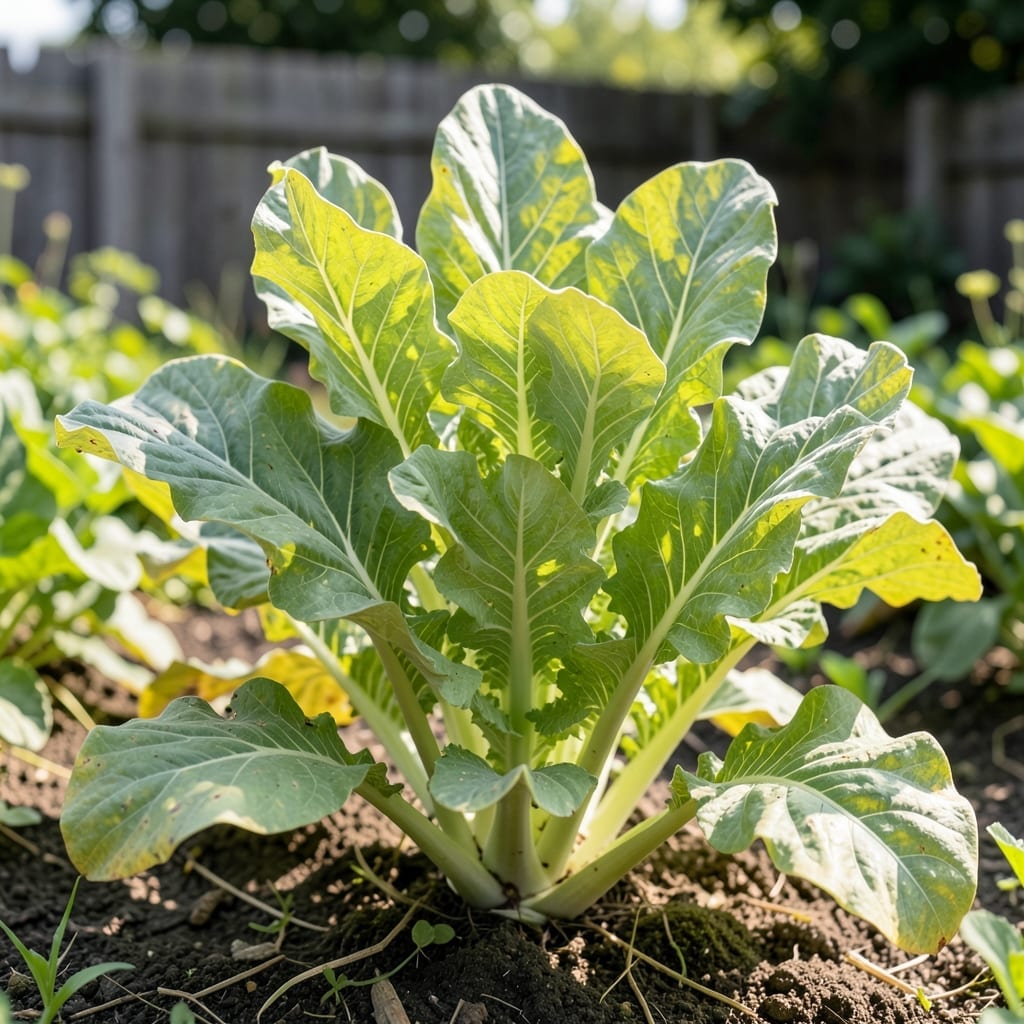
Escarole often gets mistaken for lettuce or kale, but its unique frilly leaves set it apart. The 🥬 Escarole you find in gardens or stores has a distinct look that’s worth knowing.
Unlike its smooth-leafed cousins, this plant boasts broad, wavy edges with a slightly curly texture. Its pale green to yellow-green hues form a loose head that’s both eye-catching and practical.
Whether you’re planting in Zone 6 or just shopping for dinner, recognizing these visual cues helps you pick the right green. The spring planting window makes it a seasonal favorite.
Discover how to spot this versatile plant and why its appearance makes it a garden standout. You’ll never confuse it with other greens again.
When I first spot escarole in my garden, its broad, wavy leaves immediately catch my eye. Unlike smooth lettuce, these leaves have a slightly curly edge that gives the plant its signature ruffled look. The color ranges from pale green to yellow-green, with outer leaves often darker than the inner ones. 🌱
The plant forms a loose head, similar to romaine but with a more textured appearance. Each leaf can grow 6–12 inches long and 4–6 inches wide, with a sturdy white or light green stem anchoring them. This structure makes escarole stand out among other greens in my beds. 🌿
| Feature | Description |
|---|---|
| Leaf Shape | Broad, wavy, slightly curly |
| Leaf Color | Pale green to yellow-green |
| Head Structure | Loose, ruffled, non-compact |
| Leaf Size | 6–12 inches long, 4–6 inches wide |
| Stem Color | White or light green |
The ruffled texture of escarole leaves is one of its most distinctive traits. I often run my fingers along the edges to feel the gentle waves and curls. This texture isn’t just for looks—it helps trap morning dew and rainwater, which the plant uses efficiently. ✂️
Another key feature is the color gradient. The outer leaves tend to be a deeper green, while the inner leaves are lighter, almost yellow. This variation is a great way to confirm you’re looking at escarole and not a similar green like endive. 🪴
I’ve noticed that escarole’s loose head makes it easier to harvest outer leaves without disturbing the center. This is different from tight-headed lettuces, where you often have to cut the whole plant at once. It’s a practical advantage for continuous harvesting throughout the season.
The stems are another clue. They’re thick and crisp, especially at the base, and they have a milder flavor than the leaves. When I’m thinning seedlings, I look for these sturdy stems to identify escarole among other young greens. 🌱
In full maturity, escarole can reach 12–15 inches tall and spread about 10–12 inches wide. Its size and shape make it a striking addition to any garden bed. I like to plant it in blocks for a lush, textured look. 🌿
If you’re comparing it to other greens, escarole’s wider leaves and less compact head set it apart. Romaine, for example, has a tighter head and smoother leaves. Frisée, on the other hand, has much finer, almost feathery leaves. Escarole sits comfortably in the middle. ✂️
Finally, the overall appearance of escarole is both rustic and elegant. Its ruffled leaves and varying shades of green give it a dynamic, lively look that I find incredibly satisfying to grow and maintain. 🪴
I often see gardeners mix up escarole with endive or romaine lettuce. While they share a similar leafy appearance, escarole stands out with its broad, wavy leaves and pale green to yellow-green color that form a loose, ruffled head.
The confusion arises because these greens belong to the same family. But escarole’s slightly curly edges and thicker leaves are key identifiers. It also tends to have a milder bitterness compared to its cousins.
| Green Type | Leaf Shape | Color | Head Structure |
|---|---|---|---|
| Escarole | Broad, wavy, slightly curly | Pale to yellow-green | Loose, ruffled |
| Endive | Narrow, deeply lobed | Dark green with white veins | Tight, elongated |
| Romaine | Long, straight, smooth | Dark green | Firm, upright |
When I’m in my garden, I look for escarole’s distinctive ruffled texture. Unlike frisée, which has finely curled leaves, escarole’s leaves are broader and less tight. This makes it easier to spot in a crowded bed.
Another tip: escarole’s stems are thick and crisp, while endive stems are more slender. The plant height of escarole typically reaches 12-18 inches, which is another useful identifier.
If you’re still unsure, check the leaf arrangement. Escarole leaves grow in a rosette pattern, radiating from the center. This is different from romaine, where leaves grow more vertically.
I’ve found that paying attention to these small details helps me identify escarole with confidence, whether I’m planting, harvesting, or shopping for seeds. 🌱