
Beautiful Plants For Your Interior
Beautiful Plants For Your Interior
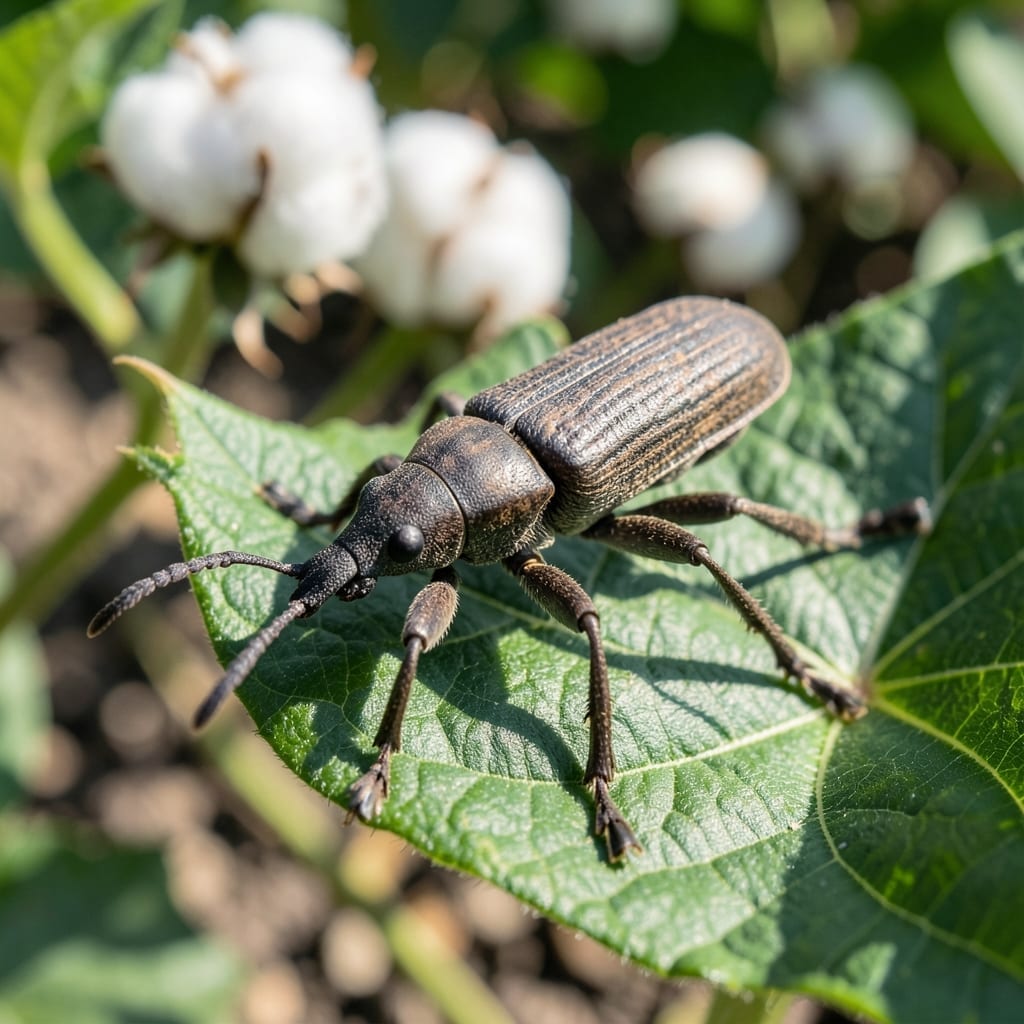
That tiny beetle wreaking havoc might be a boll weevil. I first spotted one on my cotton plants last summer—small, grayish-brown, and shaped like a miniature snout.
These pests are only 1/4 inch long but their damage is massive. Look for the long snout that gives them their name and the distinctive ridges on their wing covers.
They leave behind ragged holes in leaves and bolls. Catching them early means checking the undersides of leaves where they hide during the day.
Early detection saves crops. Once you know what to look for, spotting these invaders becomes second nature before they multiply.
The boll weevil’s presence in cotton fields isn’t random—it’s driven by specific environmental and agricultural conditions. Understanding these triggers helps in early detection and prevention.
Boll weevils thrive in warm, humid climates, particularly in regions where temperatures consistently range between 75–90°F (24–32°C). These conditions accelerate their life cycle, allowing rapid reproduction. Southern U.S. states, like Texas and Mississippi, are prime habitats due to their prolonged growing seasons.
Large-scale cotton monoculture (growing cotton as the sole crop) creates an ideal food source with minimal natural predators. Without crop diversity, boll weevils face no competition or disruption to their feeding and breeding, leading to unchecked population growth.
Adult weevils overwinter in leaf litter, soil, or crop residue. Mild winters increase survival rates, ensuring a larger population emerges in spring to infest new cotton plants. Proper field sanitation (removing plant debris post-harvest) disrupts this cycle.
In regions where eradication programs are inconsistent or delayed, boll weevils regroup and spread. Coordinated pest management—like trap crops, pheromone traps, or targeted insecticides—is critical to break their life cycle before they establish a foothold.
Dealing with boll weevils requires quick action to protect your plants. Here’s how to tackle infestations and prevent future problems.
Regularly inspect cotton plants or other susceptible crops for signs of boll weevils. Look for small, grayish-brown beetles with long snouts and dark spots. If you spot them, handpick and destroy them immediately. Drop them into soapy water to ensure they don’t escape.
For larger infestations, apply approved insecticides labeled for boll weevil control. Follow the instructions carefully, focusing on the undersides of leaves and flower buds where they hide. Rotate insecticides to avoid resistance.
Prevent reinfestation by rotating crops and avoiding planting susceptible varieties in the same spot year after year. After harvest, remove and destroy plant debris to eliminate hiding spots for overwintering weevils.
Look for its long snout and grayish-brown color. It’s smaller than most beetles at just 1/4 inch long, with distinctive ridges on its wing covers.
Check the undersides of leaves and cotton bolls. They hide during the day and become active at dusk, so inspect carefully in the evening.
They can fly but prefer to crawl. Their wing covers are fused, so they mostly move by walking along plant surfaces.
Look for ragged holes in leaves and bolls. They also leave small puncture marks where they feed and lay eggs.