
Beautiful Plants For Your Interior
Beautiful Plants For Your Interior
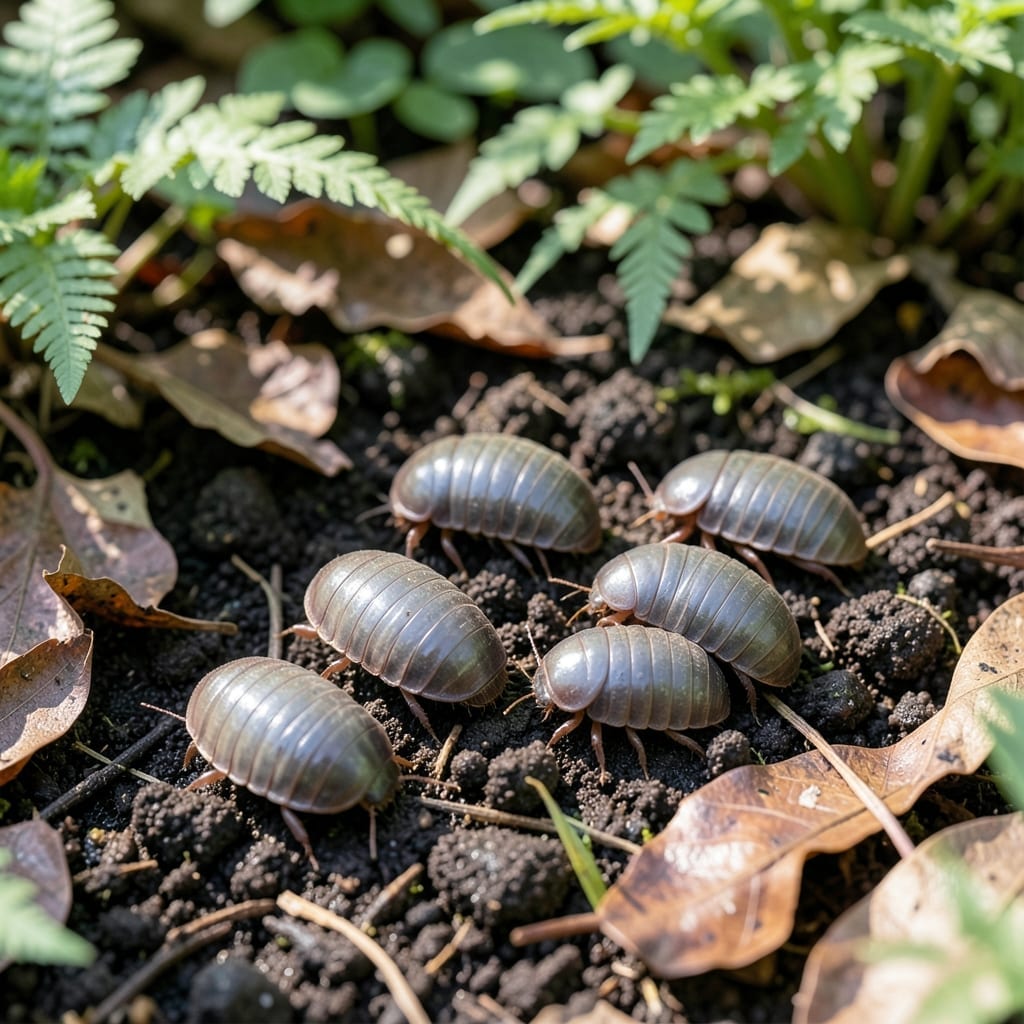
If you’ve spotted tiny, armored creatures curling into a ball in your garden, you’ve likely encountered the Roly Poly 🐞. These harmless pill bugs are fascinating garden helpers, but their unique appearance often sparks curiosity.
At first glance, their segmented exoskeleton and ability to roll up make them look like miniature armadillos. I remember the first time I saw one—it was love at first roll!
Understanding what these little decomposers look like helps you appreciate their role in breaking down organic matter. They’re not just cute; they’re essential to a healthy garden ecosystem.
Discover how to identify them and why their presence is a sign of a thriving outdoor space. Let’s explore these tiny marvels together.
When I first spotted roly polys in my garden, their distinctive armored bodies immediately caught my eye. These tiny pill bugs are easy to recognize once you know what to look for.
Their most famous trait is the ability to curl into a perfect ball when threatened. This defensive behavior, combined with their segmented exoskeleton, makes them stand out among garden insects.
| Feature | Description |
|---|---|
| Body Shape | Oval, segmented, 7 pairs of legs |
| Color | Slate gray to brown, sometimes mottled |
| Size | 1/4 to 1/2 inch long |
| Antennae | Short and clubbed, barely visible |
| Defense | Rolls into a ball when disturbed |
Their exoskeleton is divided into overlapping plates that resemble armor, giving them a prehistoric appearance. This tough outer shell protects them from predators and dry conditions in the soil.
I notice their color varies from dark gray to light brown, often with a slightly shiny texture. This camouflage helps them blend into the leaf litter and soil where they thrive.
You’ll also see two short antennae on their head and multiple legs underneath. Despite having 14 legs, they move slowly, which makes them easy to observe up close.
Their curling behavior is triggered by touch or vibration. When I gently prod one, it instantly tucks its head and legs inward, forming a nearly impenetrable ball.
This protective mechanism is so effective that it’s given them their common names: pill bug or roly poly. It’s a fascinating adaptation that gardeners of all ages love to watch.
In damp conditions, they’re most active at night or dawn. I often find them under rocks, logs, or in mulch piles where moisture levels are high.
Remember, their presence is a sign of a healthy garden ecosystem. These little decomposers help break down organic matter, enriching your soil naturally.
Next time you see one, take a moment to appreciate its unique design and beneficial role in your garden 🌿
At first glance, roly polys might resemble other small garden insects like sow bugs. However, their distinctive curling habit sets them apart immediately when disturbed.
While roly polys form a perfect ball, sow bugs cannot fully curl. Both share a segmented exoskeleton but differ in habitat preferences and movement patterns.
| Feature | Roly Polys | Sow Bugs |
| Body Shape | Curled ball | Flattened oval |
| Color | Slate gray | Dark brown |
| Tail Appendages | None | Two small tails |
I often find roly polys under mulch or decaying leaves, while sow bugs prefer damp wood or stone crevices. This habitat clue helps me identify them quickly.
The curling behavior of roly polys is their most identifiable trait. When threatened, they tuck their head and legs into a tight ball, protecting their soft underside.
Sow bugs, on the other hand, will scurry away when disturbed. They lack the ability to form a complete sphere, making them easier to distinguish from true pill bugs.
If you’re still unsure, check for the two small tail-like appendages on sow bugs. Roly polys have a smooth, rounded rear with no protrusions. This detail is subtle but definitive 🌱