
Beautiful Plants For Your Interior
Beautiful Plants For Your Interior
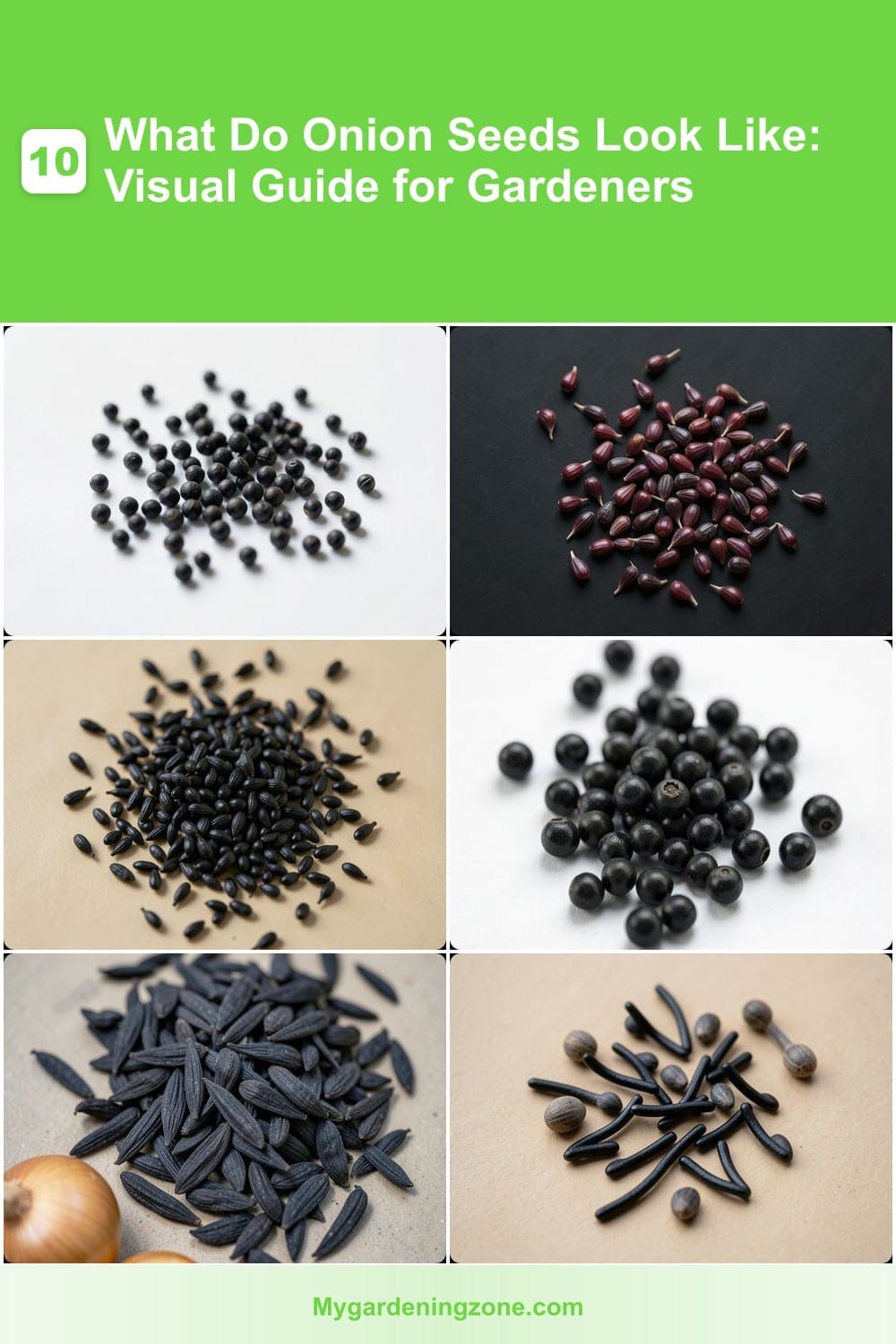
Struggling to identify onion seeds in your garden or seed packet? This visual guide breaks down the distinct appearances of 10 onion seed varieties, helping you recognize, source, and plant them with confidence.
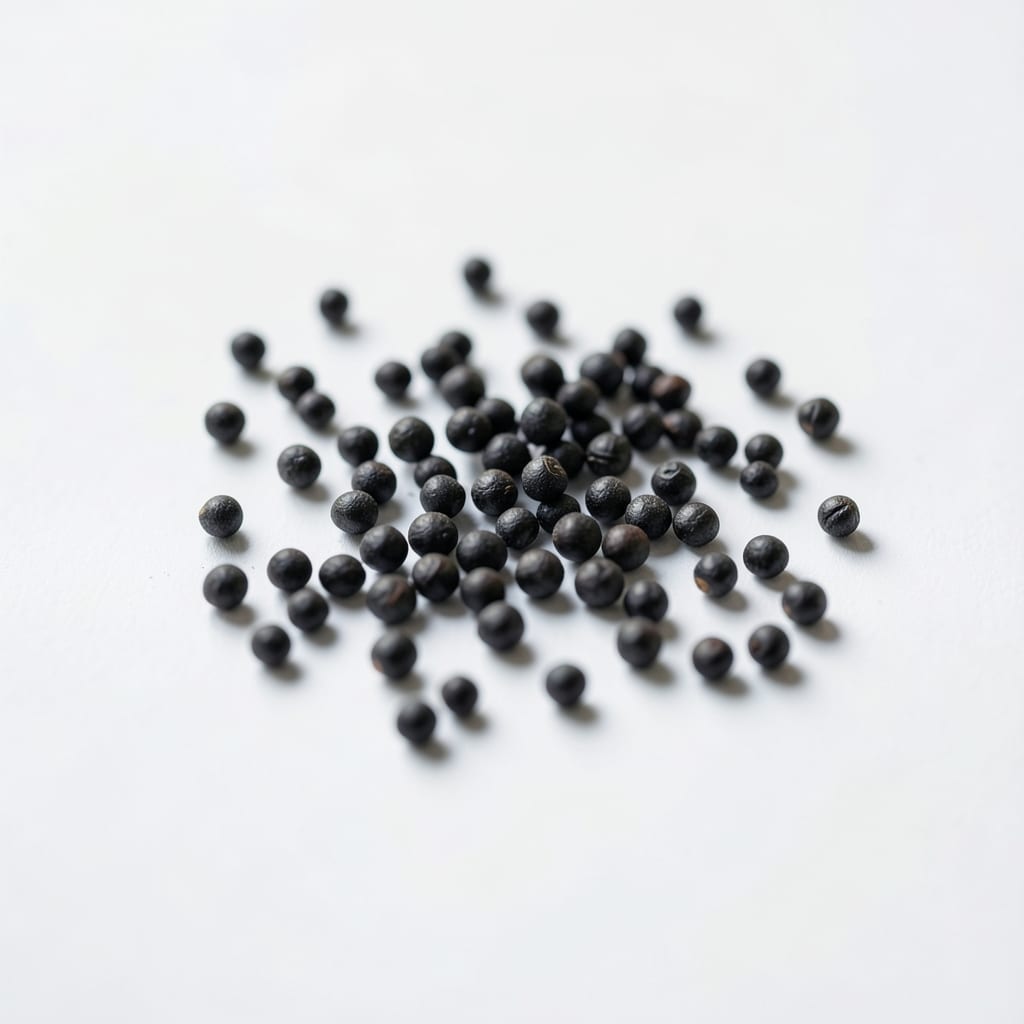
If you’re new to onion gardening, standard white onion seeds are the perfect starting point. These tiny black seeds are often mistaken for poppy seeds at first glance.
Look closely, and you’ll notice their slightly angular shape—a key identifier that sets them apart. Each seed measures just 1-2mm across, with a matte finish that contrasts with some other allium seeds. They’re the most popular choice for home gardeners due to their reliability.
You’ll find these seeds easy to spot in seed packets or scattered soil, making them ideal for beginners learning to plant onions. 🌱
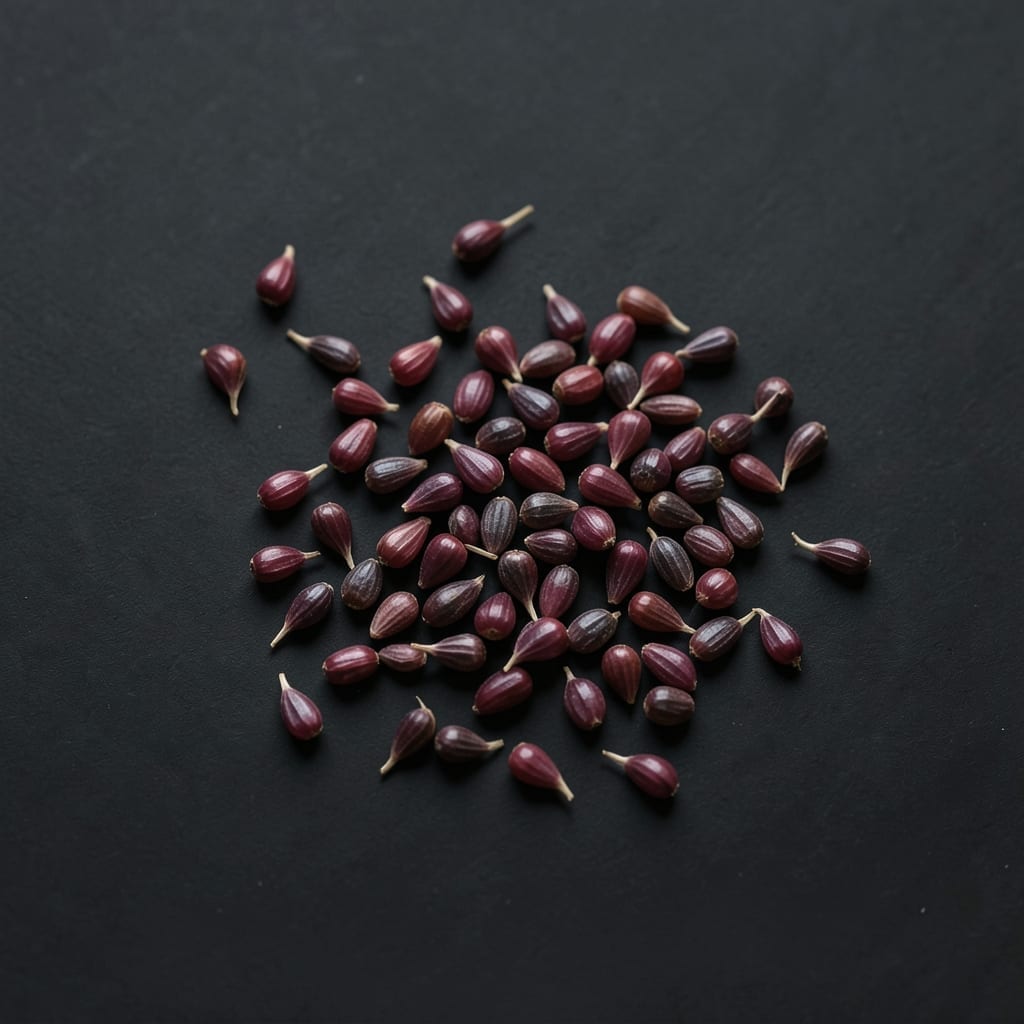
Want to grow those stunning purple-red bulbs? Red onion seeds share the same angular shape as white onion seeds but stand out with their slightly larger size.
These small black seeds, often with a subtle glossy finish, measure about 2mm across. When planted, they reliably produce the vibrant red onions many gardeners love for their bold color and mild flavor. They’re perfect for fresh eating straight from the garden.
Ideal for gardeners who want both beauty and taste in their harvest, these seeds germinate well in cool to moderate climates. 🌱
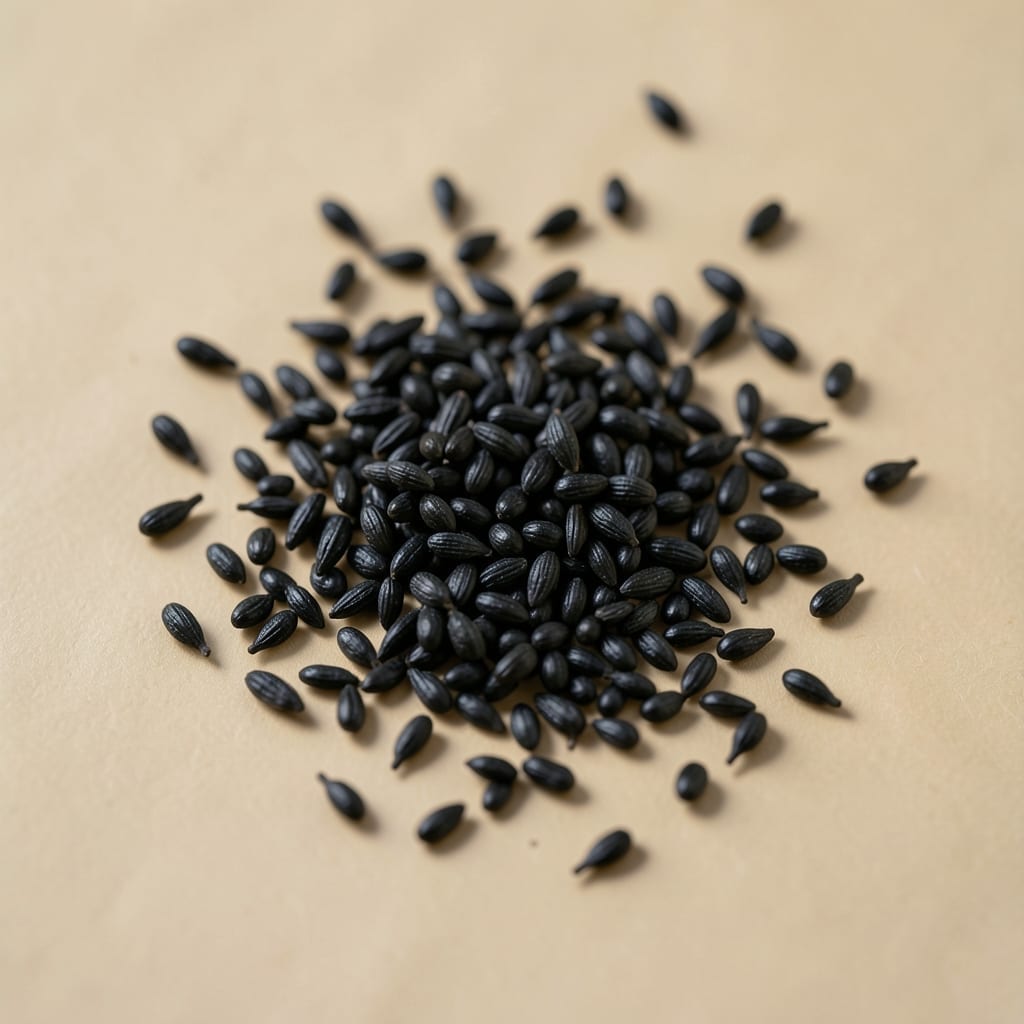
Notice the slightly irregular, elongated shape of sweet yellow onion seeds—they’re not as uniform as white onion seeds but boast a unique charm.
These tiny black seeds, measuring about 2mm, often have uneven edges that make them stand out. When planted, they grow into the mild, versatile yellow onions that thrive in most garden settings and are a staple in many dishes.
Perfect for gardeners who want a reliable, all-purpose onion with a sweet flavor profile, these seeds are easy to identify once you know their distinct look. 🌱
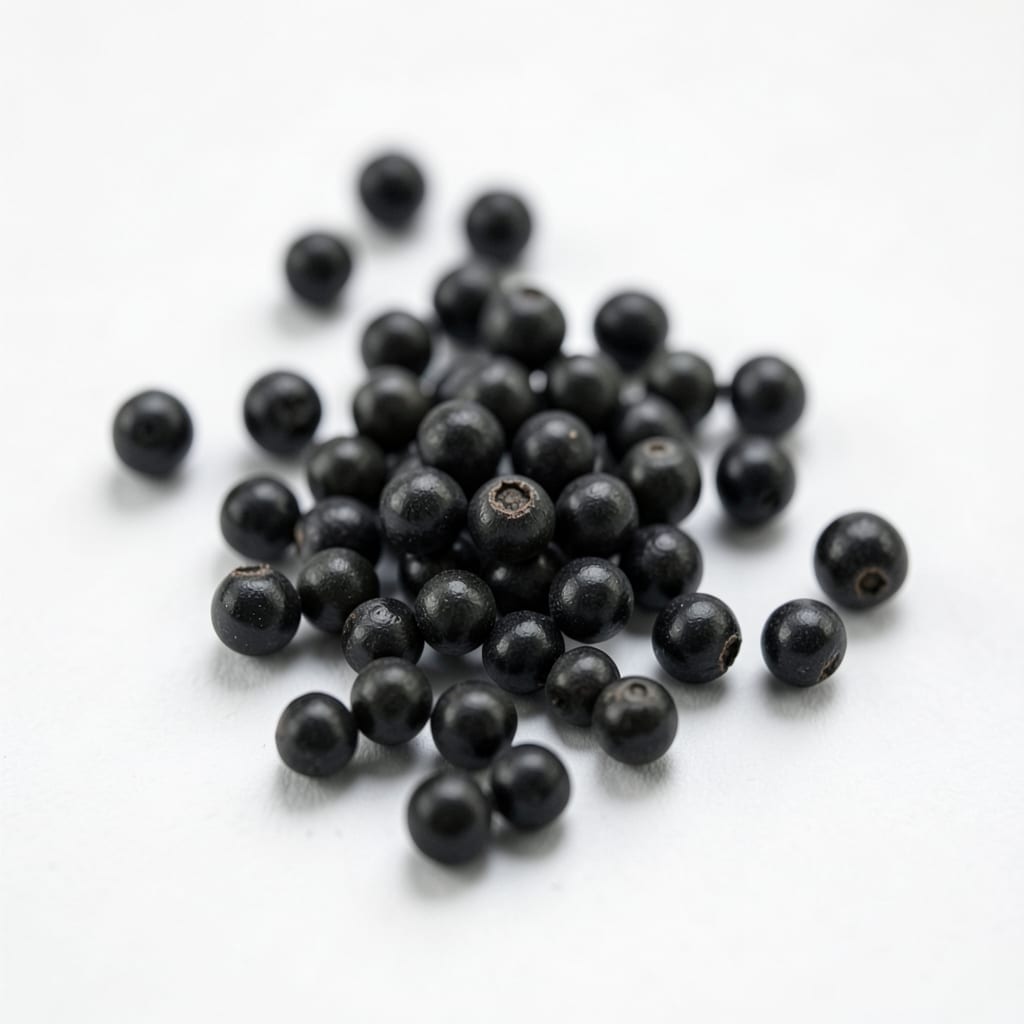
Unlike bulb onions, green onion scallion seeds are distinctly rounder and more compact. These tiny black seeds are easy to overlook but pack a punch in producing leafy greens rather than bulbs.
Measuring just 1-1.5mm across, they’re slightly smaller than bulb onion seeds with a smooth, uniform surface. Plant them in well-draining soil for a steady supply of fresh scallions, perfect for small spaces or container gardens.
Ideal for gardeners who want quick, low-maintenance greens without the wait for bulb formation. 🌱
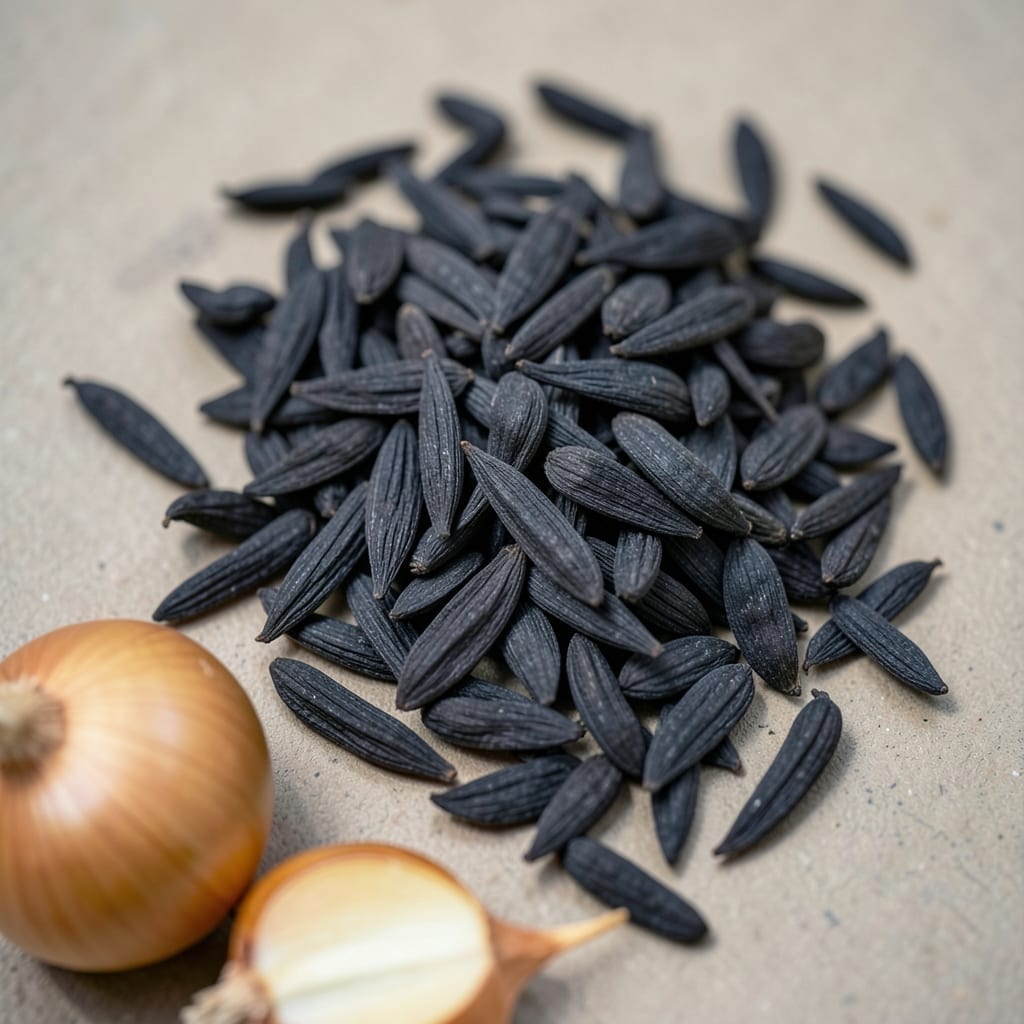
Most gardeners propagate shallots from bulbs, but when you do find shallot seeds, they’re a unique discovery. These are rarely sold commercially, making them a special find for seed collectors.
Look for elongated, flattened black seeds with a distinctive papery texture that sets them apart from other onion family seeds. They’re slightly larger than standard onion seeds, measuring about 2-3mm, with a more irregular shape.
Perfect for adventurous gardeners who want to experiment with growing shallots from seed rather than bulbs. 🌱
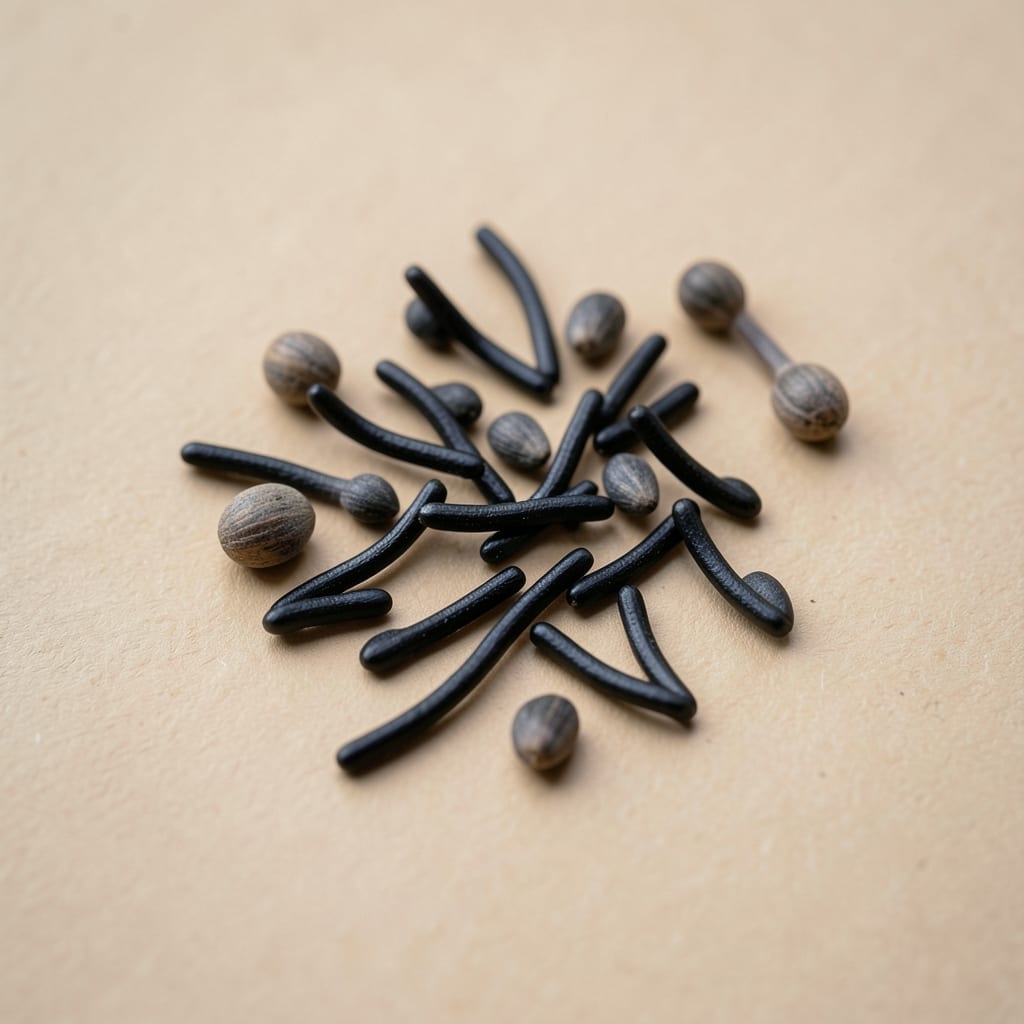
Spot the difference: leek seeds stand out with their uniquely slender, cylindrical form—unlike the rounder seeds of other alliums. These tiny black seeds are noticeably longer and thinner, making them easy to pick out in a mixed seed collection.
Measuring about 2-3mm, they have a smooth, slightly glossy surface that catches the light. When planted, they grow into the mild, stalk-like leeks that thrive in cool weather and add depth to any garden bed.
Perfect for gardeners who love growing versatile alliums with a distinctive shape and flavor. 🌱
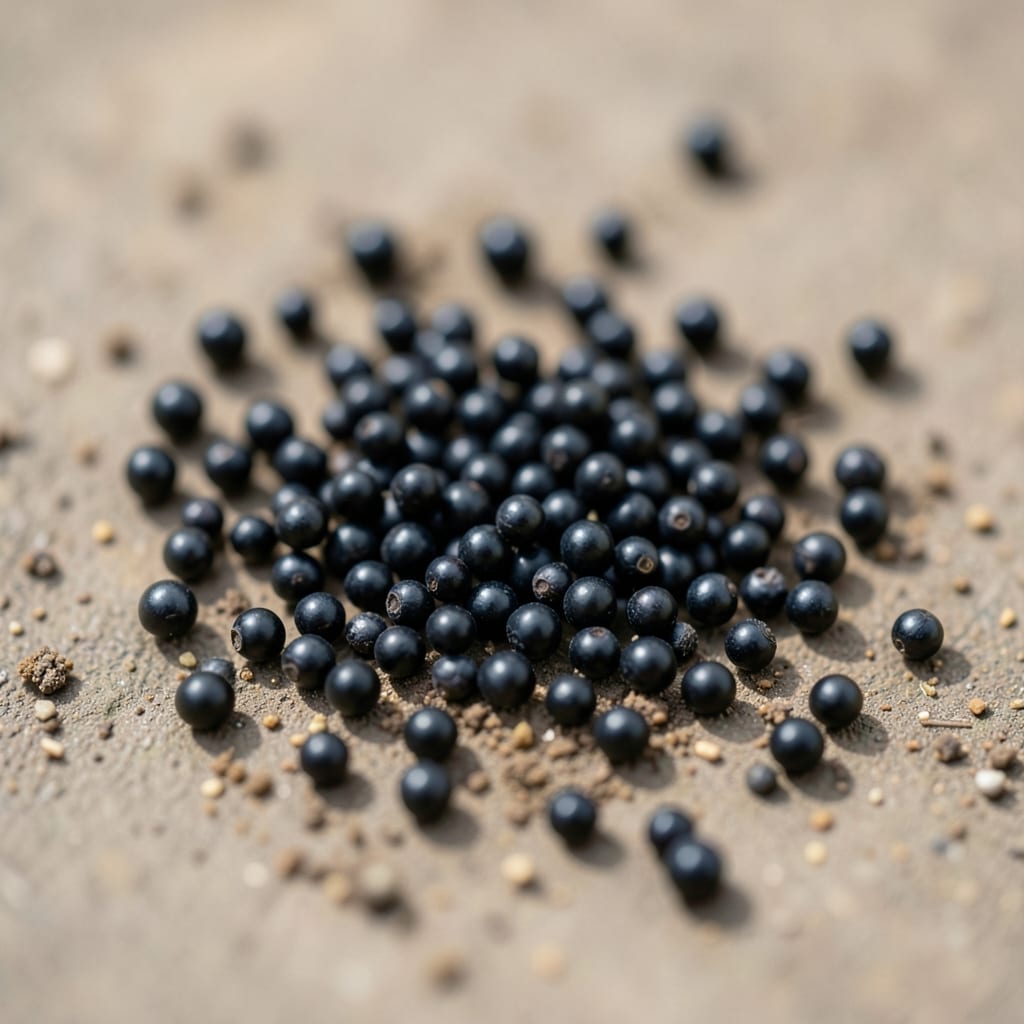
Don’t let their size fool you—chive seeds may be tiny, but they pack a punch in your herb garden. These round, black seeds resemble miniature peppercorns, making them easy to spot once you know what to look for.
Each seed measures just 1-2mm across, and when planted, they sprout into the thin, grass-like chive plants beloved for their mild onion flavor. They thrive in well-draining soil and love full sun to partial shade, making them versatile for most garden setups.
Perfect for herb gardeners who want a reliable, low-maintenance plant that returns year after year. 🌿
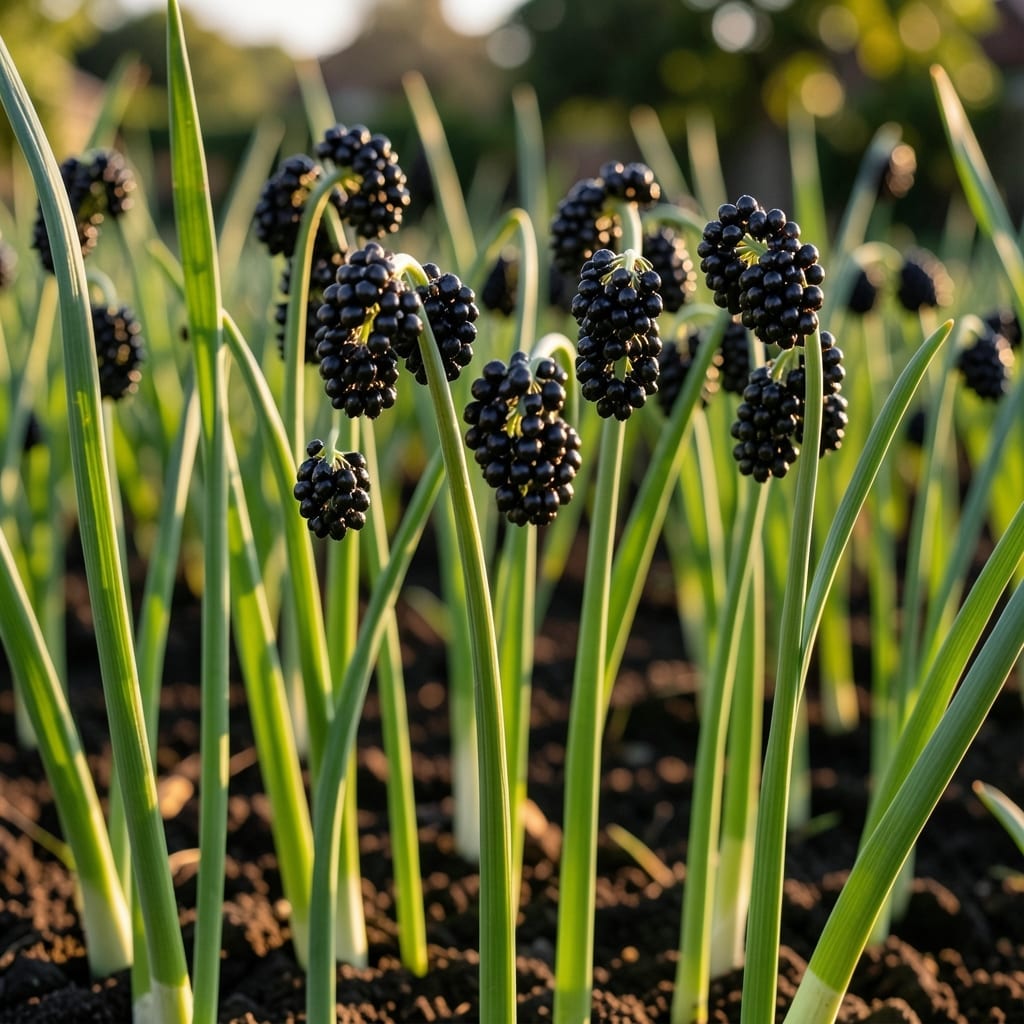
Forget traditional bulb onions—Egyptian walking onions offer a fascinating twist with their top-setting growth habit. These unique plants produce seed clusters at the very top of their stalks, creating a striking visual display in your garden.
The seeds themselves are small, black, and slightly teardrop-shaped, making them distinct from other onion varieties. As the stalks mature, they bend over under the weight of the seed clusters, causing the plant to “walk” across your garden bed, hence the name.
Perfect for gardeners who love unusual edible plants that provide both greens and seeds in one. 🌱
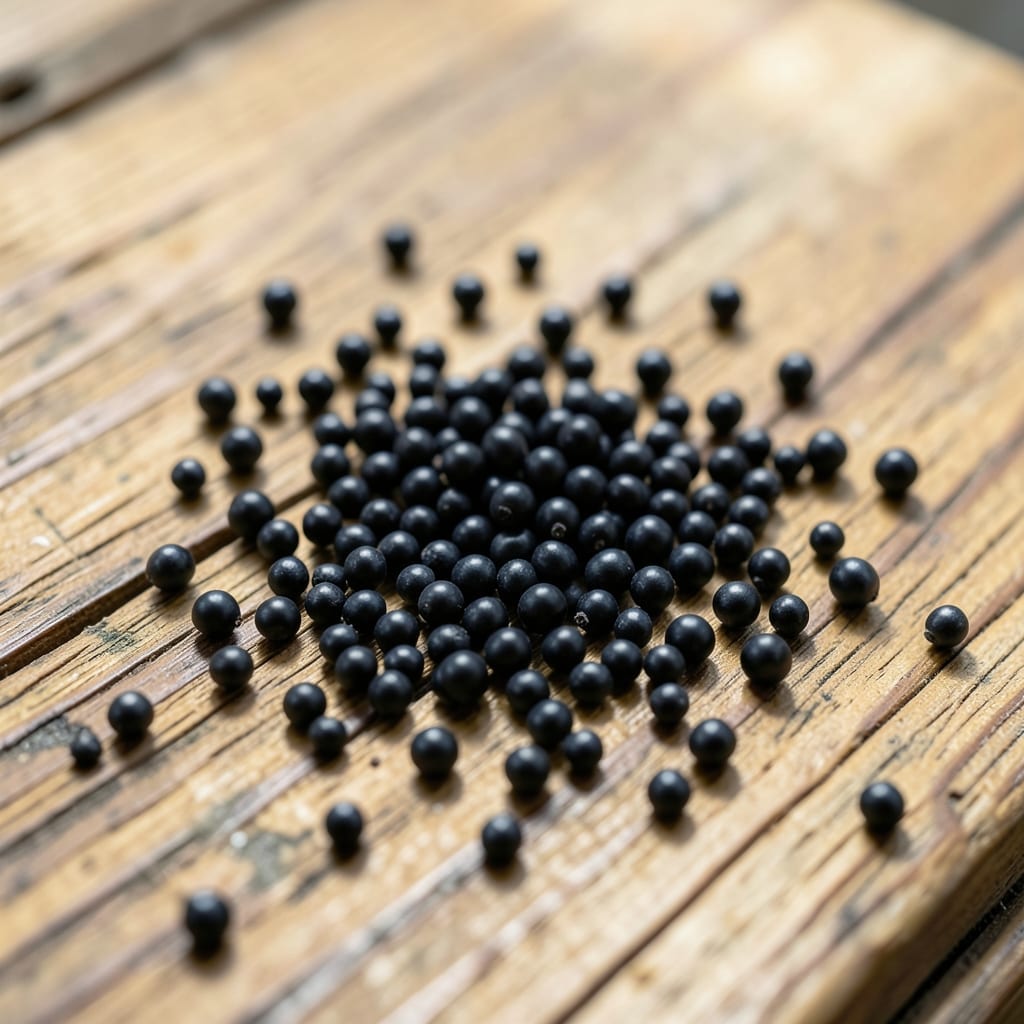
Looking for a charming addition to your garden? Pearl onion seeds are tiny, perfectly round, and remarkably uniform, making them easy to spot in any seed collection.
These small black seeds measure about 1.5-2mm across and grow into the sweet, bite-sized pearl onions beloved for pickling or gourmet dishes. They thrive in well-draining soil and prefer full sun, producing clusters of small, flavorful bulbs that add a touch of elegance to any harvest.
Perfect for gardeners who enjoy growing unique, specialized crops with a high visual and culinary reward. 🌱
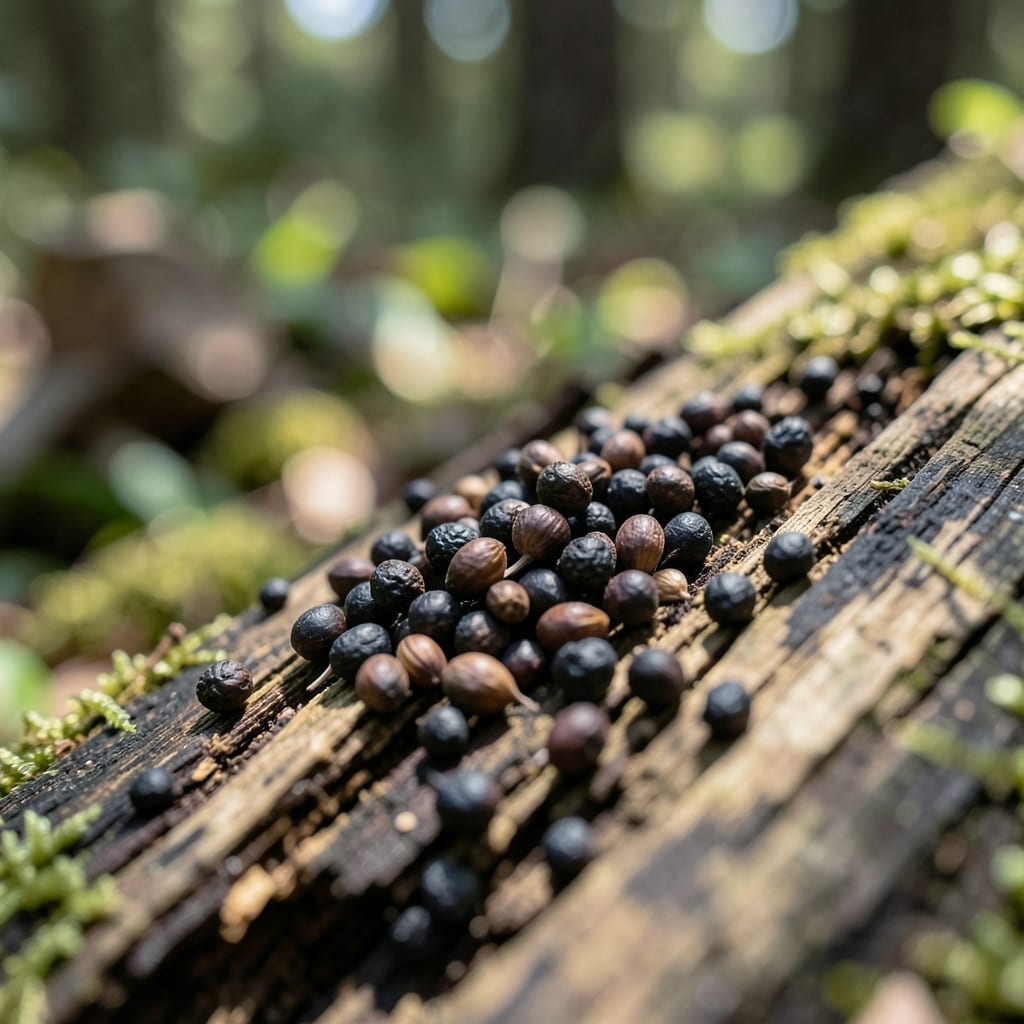
Foraging for wild onion seeds is like uncovering nature’s hidden treasures. These natural seeds are often tinier and more irregular than their cultivated cousins, with a distinctively rough texture.
You’ll notice their varying shades of black or dark brown, a stark contrast to the uniform appearance of commercial seeds. Their uneven size and shape can be as small as 1mm, making them a challenge to spot among forest debris. This wild variety thrives in wooded areas and open meadows.
Perfect for gardeners who love the thrill of foraging and want to bring a touch of the wild into their cultivated beds. 🌿