
Beautiful Plants For Your Interior
Beautiful Plants For Your Interior
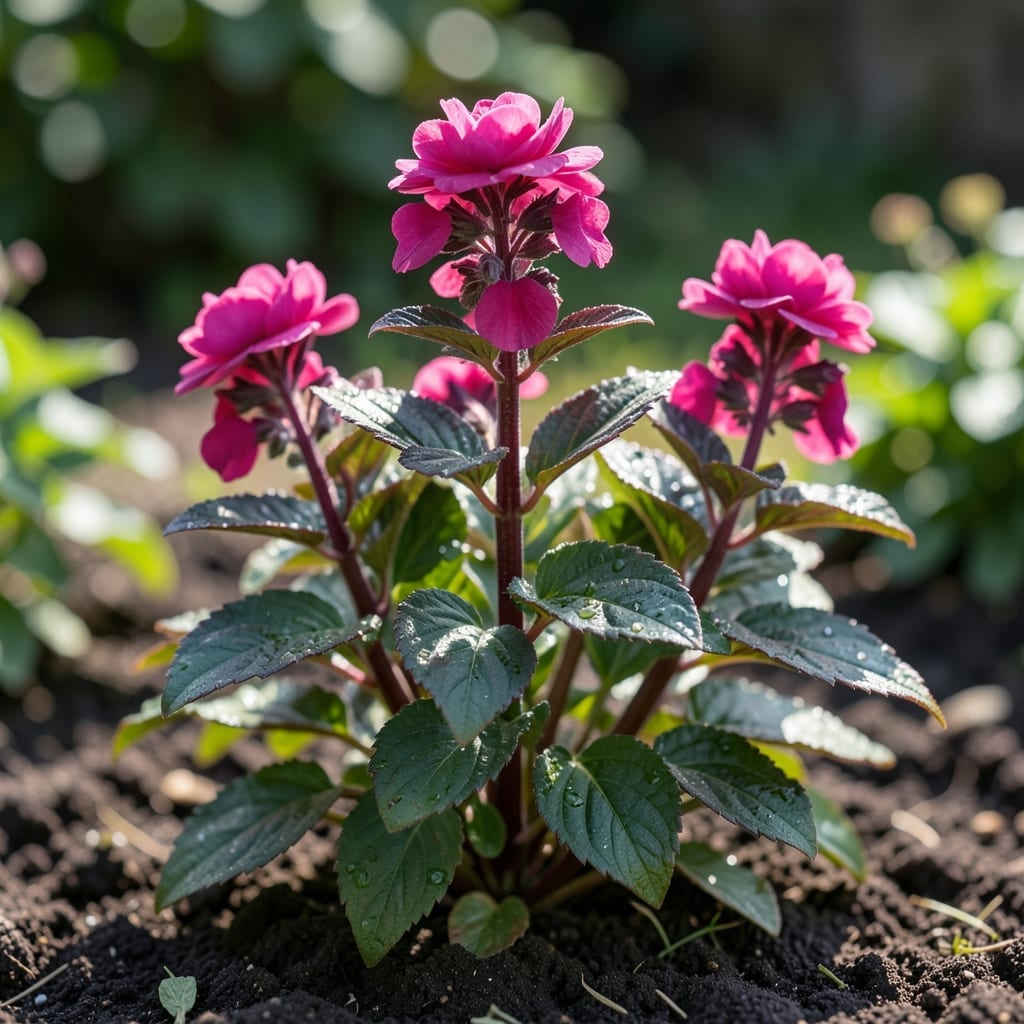
Picture this: a garden bursting with vibrant colors that seem to dance in the shade. That’s the magic of the Impatiens 🌸, a plant that transforms any dull corner into a lively display.
These flowers aren’t just pretty—they’re a garden staple, known for their lush, glossy leaves and blooms that come in nearly every shade imaginable. Whether you’re a seasoned gardener or just starting out, recognizing them is easier than you think.
From their signature oval leaves to their delicate, five-petaled flowers, Impatiens have a look that’s hard to mistake. But did you know their appearance can change based on the variety?
Discover the key features that make these plants stand out and how to spot them in your own backyard. Let’s dive into what makes the Impatiens so special.
When I first see impatiens plants in a garden, their vibrant flowers immediately catch my eye. These annual bloomers display a stunning range of colors from soft pinks to bold reds and purples. 🌸
Their flower shapes vary too, with some showing single blooms while others have double petals that look almost rose-like. The five-petaled flowers often have a distinctive spur at the back. 🌷
| Feature | Description |
|---|---|
| Flower Colors | Pink, red, white, purple, orange |
| Flower Shape | Single or double, 5 petals |
| Leaf Structure | Oval, serrated edges, glossy |
| Growth Habit | Mounding or trailing |
| Plant Height | 6 inches to 2 feet |
The leaves of impatiens are just as distinctive as their flowers. They’re typically oval-shaped with serrated edges and have a slightly glossy appearance. The dark green foliage provides a perfect backdrop for the colorful blooms.
I notice New Guinea impatiens often have variegated leaves with splashes of yellow or cream. Their thicker stems and larger leaves distinguish them from traditional garden impatiens. This variety also tends to be more sun-tolerant.
The growth habit varies by type too. Most impatiens form neat mounds about 1-2 feet tall, while some trailing varieties can spill beautifully from hanging baskets. Their bushy nature makes them excellent for bedding plants. 🌿
What really sets impatiens apart is their ability to bloom profusely. In ideal conditions, they’ll produce hundreds of flowers throughout the growing season. The blooms often have a slight spur at the back, which is a key identification feature.
I find that healthy impatiens have sturdy stems that can support their abundant flowers. The plants maintain their compact form without needing much staking, making them low-maintenance favorites for many gardeners.
The color variations are truly remarkable. Some varieties have bicolor flowers with contrasting throats or edges. Others display solid colors that seem to glow in the garden’s shaded areas, where they perform best. ☀️
When identifying impatiens, I always look for that characteristic spur on the back of the flower. Combined with their glossy leaves and compact growth, it’s hard to mistake them for any other plant once you know what to look for.
At first glance, impatiens might remind you of other shade-loving flowers, but their unique traits set them apart. I’ve found that their succulent stems and glossy leaves are dead giveaways in the garden.
Unlike begonias, which have asymmetrical leaves, impatiens sport perfectly symmetrical, oval-shaped foliage with subtle serrations. This subtle difference makes identification much easier once you know what to look for.
| Plant | Stem | Flower Shape |
|---|---|---|
| Impatiens | Succulent, green | 5-petaled, flat |
| Begonias | Thick, bamboo-like | Asymmetrical, clustered |
| Petunias | Hairy, trailing | Trumpet-shaped |
The flower structure of impatiens is another clue. Their blooms have a distinctive spurred back petal that’s absent in look-alikes like fuchsias, which have drooping, tubular flowers.
For growth habits, impatiens tend to stay compact at 6-24 inches tall, while similar plants like coleus can grow much taller. This makes them perfect for border edges and container gardens.
I always check the leaf arrangement too. Impatiens leaves grow in alternate patterns along the stem, whereas some imposters have opposite or whorled leaf arrangements. It’s these small details that confirm you’ve found the real deal.
Next time you’re plant shopping, examine the leaf texture. Impatiens leaves are thin but have a slight waxy sheen that helps them retain moisture in shaded areas.
This combination of traits makes impatiens unmistakable once you know what to look for 🌿