
Beautiful Plants For Your Interior
Beautiful Plants For Your Interior
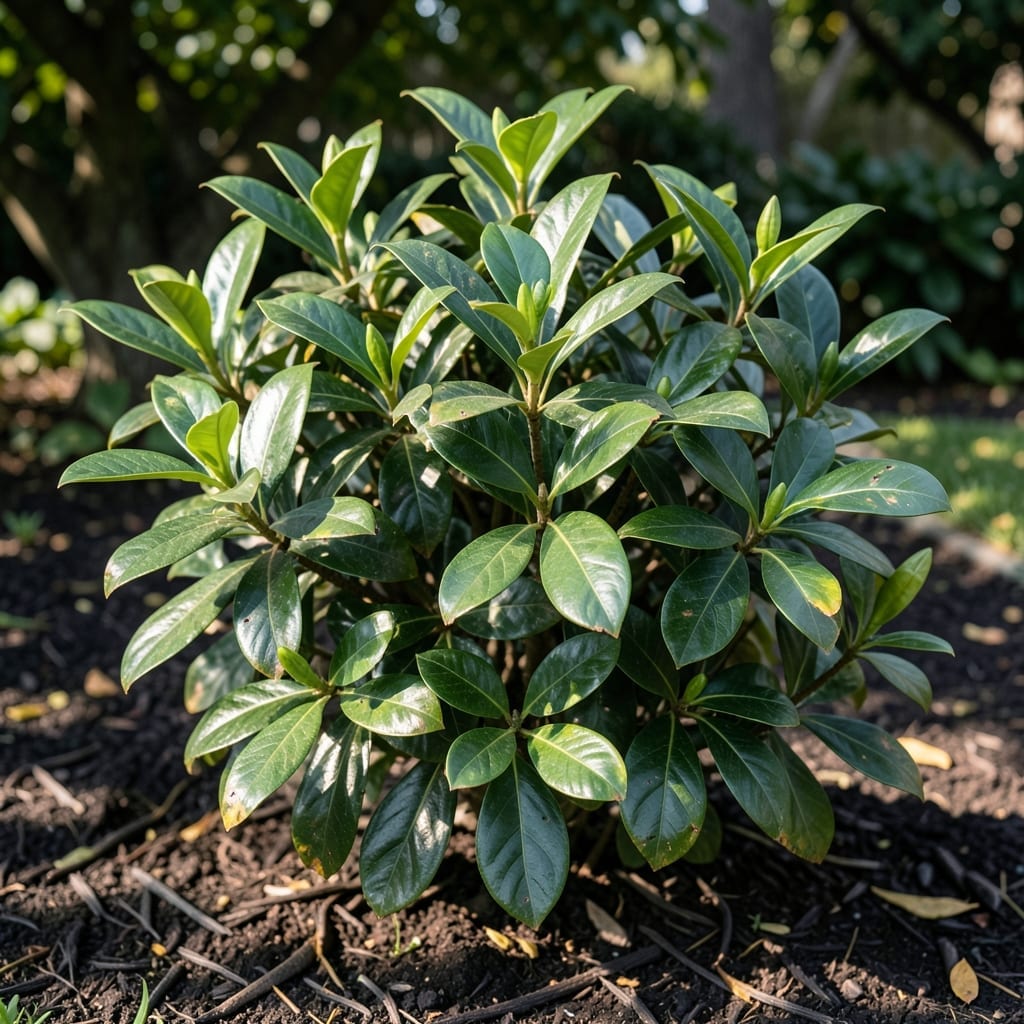
Gardenias transform dramatically when winter arrives, often leaving gardeners wondering if their beloved 🌸 plants are struggling or simply adapting.
Understanding these seasonal changes helps you care for them properly and avoid unnecessary worry. The Gardenia you adore in spring looks quite different in colder months.
You might notice fewer glossy green leaves or even some leaf drop. This isn’t cause for alarm—it’s often just nature’s way of conserving energy.
Discover what to expect and how to support your Gardenia through the winter season. Let’s explore the subtle but important changes together.
When winter arrives, gardenias undergo a noticeable transformation that can puzzle even experienced gardeners. The glossy green leaves you love may darken or develop a slightly duller finish, which is completely normal.
You might also see some leaf yellowing or drop, especially in colder zones. This isn’t always a sign of distress—it’s often the plant conserving energy for spring.
| Feature | Winter Appearance |
| Leaves | Darker green, less glossy, possible yellowing |
| Flowers | Rare blooms, smaller or delayed |
| Stems | Woody, bare sections if leaf drop occurs |
| Growth | Slowed or dormant in cold zones |
| Color Shift | Subtle bronze or purple tints in extreme cold |
In milder climates (USDA zones 8-11), gardenias may produce sparse winter blooms, though they’re often smaller and paler than summer flowers. Don’t expect the same vibrant fragrance—cold temps can mute their signature scent.
Stems become more woody and visible as some leaves drop. This isn’t a sign of death but rather the plant’s way of redirecting energy to its roots. I’ve seen this happen even with well-established gardenias in my own garden.
Cold-hardy varieties like ‘Kleim’s Hardy’ may hold their leaves better, but most gardenias will show some winter stress. If your plant looks sparse or twiggy, it’s likely just waiting for warmer weather to regrow.
Watch for bronze or purplish tints on leaves in extreme cold. This coloration is a protective response to temperature drops and doesn’t mean your plant is dying. It’s similar to how some evergreen shrubs change color in winter.
If you’re growing gardenias in containers, you might notice more dramatic changes because roots are exposed to cold air. Move pots to a sheltered spot or wrap them in burlap for extra protection.
Remember, winter dormancy is natural. Resist the urge to over-prune or fertilize—your gardenia is resting and preparing for spring’s growth surge. I’ve learned that patience is key with these plants.
For zone 7 gardeners, gardenias may lose most leaves but will regrow in spring if roots stay insulated. Mulch heavily around the base to protect the root system from freezing.
This seasonal adaptation is what makes gardenias so fascinating. By understanding these changes, you’ll appreciate your plant’s resilience and beauty even in the coldest months 🌿
When winter temperatures drop, gardenias enter a dormant phase that slows their metabolism. This is a natural survival mechanism to conserve energy during colder months. You’ll notice fewer new leaves and stems.
Gardenias in USDA Zones 8-11 may continue limited growth, while those in cooler climates often pause entirely. This slowdown helps the plant redirect resources to root development and bud formation for spring.
In mild winters, gardenias may produce a few scattered blooms, but these are often smaller and less fragrant. The plant prioritizes survival over flowering when temperatures dip below 50°F (10°C).
If your gardenia is potted, move it to a sheltered location like a garage or porch to protect it from frost damage. Even a light frost can blacken leaves and harm buds.
Regional variations play a big role. In Zone 11, gardenias may stay semi-active, while in Zone 7, they’ll go fully dormant. Always check your local frost dates.
Remember, these changes are normal and temporary. With proper care, your gardenia will bounce back when spring arrives, ready to thrive and bloom beautifully again. 🌿