
Beautiful Plants For Your Interior
Beautiful Plants For Your Interior
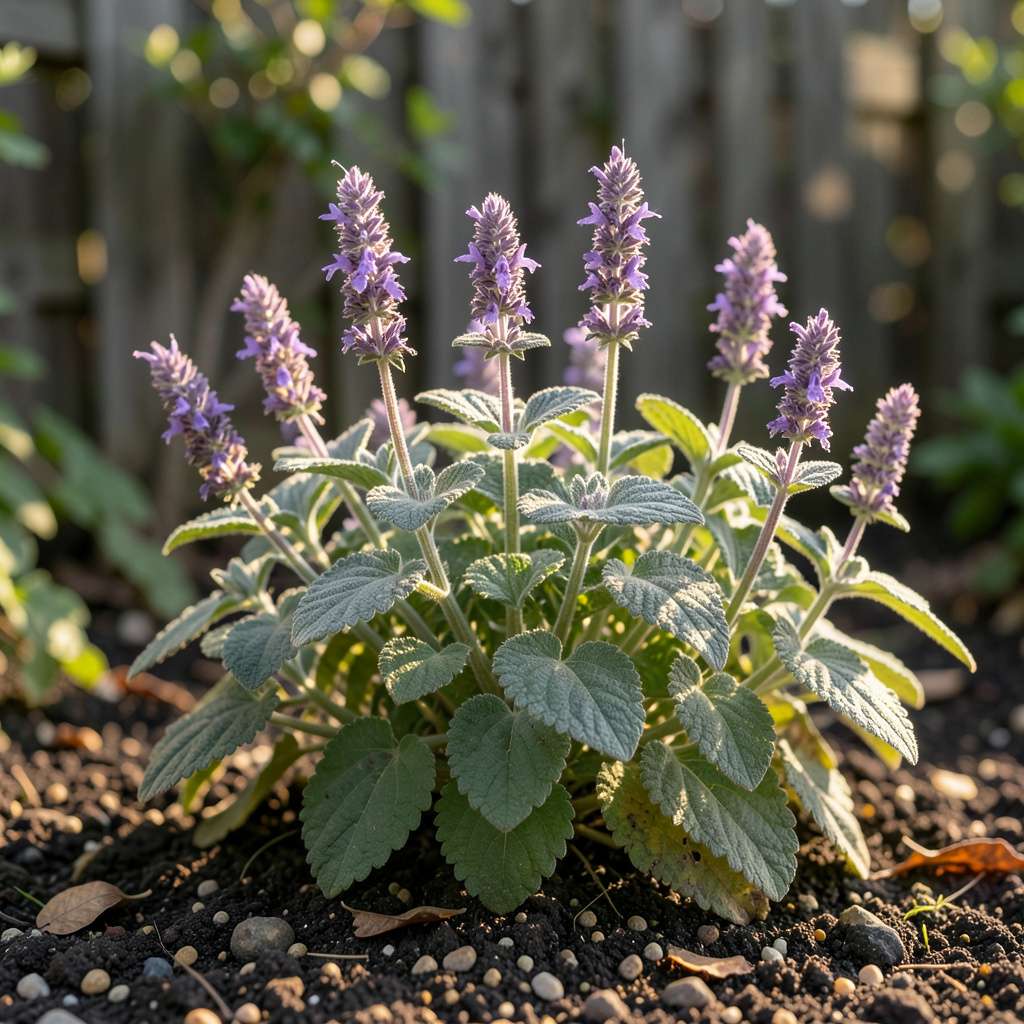
Catnip plants feature heart-shaped, grayish-green leaves with toothed edges, growing opposite each other on square stems. They produce small clusters of white or lavender flowers with a minty aroma. Mature plants reach 2-4 feet tall with a bushy, spreading habit.
I love how catnip’s distinctive square stems immediately set it apart from other garden plants – this is a hallmark of the mint family. 🌱 The fuzzy texture of the leaves and their strong fragrance when crushed are dead giveaways too. What many gardeners don’t realize is that catnip’s growth pattern changes dramatically throughout the season. Early spring brings compact, low-growing foliage, while by midsummer you’ll see those signature flower spikes shooting up above the bushy base.
Interestingly, the flower clusters form in whorls around the stem, creating a layered effect that’s quite ornamental. The lavender blooms aren’t just pretty – they’re magnets for pollinators like bees and butterflies. I’ve noticed the plant’s aroma intensifies right before flowering, which is nature’s way of attracting those helpful garden visitors.
💡 In This Article
What makes catnip instantly recognizable is its distinctive square stem—a hallmark of the Lamiaceae (mint) family. This four-sided structure isn’t just visual; it’s functional, providing structural support while allowing the plant to spread aggressively through underground runners.
The stems start green but develop a slightly woody texture as they mature, often reaching 1/4 to 1/2 inch in diameter at the base. 🌿
The leaves are where catnip’s personality shines. Each 2-3 inch long leaf has a heart-shaped base with coarsely serrated edges that feel slightly fuzzy to the touch. This texture comes from tiny trichomes—hair-like structures that contain the plant’s essential oils.
When crushed, these leaves release a potent minty-citrus aroma that’s 10 times stronger than regular mint, thanks to the compound nepetalactone.
Catnip’s flowering pattern is uniquely ornamental. The small white to pale lavender blooms form in dense, rounded clusters called verticillasters that encircle the stem at each leaf node. These flower whorls create a stepped effect up the stem, with each cluster blooming sequentially from bottom to top.
The flowers themselves are tiny—just 1/8 to 1/4 inch across—but their collective impact is striking against the gray-green foliage.
Growth habit reveals catnip’s wild nature. Left unchecked, a single plant can spread 3-4 feet wide in a single season through both seeds and underground rhizomes. The bushy form comes from multiple branching stems that create a mounded shape, typically reaching 2-4 feet tall at maturity.
Unlike its cousin peppermint which grows in neat rows, catnip forms irregular patches that look wonderfully natural in cottage gardens.
The color palette changes dramatically through the seasons. Spring leaves emerge bright green but quickly develop their signature grayish cast from the dense trichomes. By midsummer, the foliage takes on a silvery appearance that contrasts beautifully with the lavender flowers.
In fall, the stems often turn purplish while the seed heads persist, providing winter interest and food for birds.
What really sets catnip apart from lookalikes like lemon balm or regular mint is the combination of square stems, heart-shaped leaves, and that unmistakable aroma. Lemon balm has wrinkled leaves and a citrus scent, while peppermint has darker green, smoother leaves.
Catnip’s grayish cast and stronger fragrance make it instantly identifiable once you know what to look for. ✨
Catnip has distinctive grayish-green, fuzzy leaves with a heart shape, while mint leaves are darker green and smoother. The stems are square like mint, but catnip’s aroma is much stronger—almost skunky-minty. Look for the whorled flower clusters too, which mint doesn’t have.
Late spring to early summer is ideal, when the plants are 12-18 inches tall and starting to form flower buds. The leaves will have their signature grayish cast, and the square stems are clearly visible. Morning is best for identification—the aroma is strongest then.
This usually happens in partial shade. Full sun brings out the silvery-gray color from the leaf hairs, while shade makes them appear darker. The fuzzy texture should still be there—rub a leaf to check for that minty aroma.
Yes, but container-grown catnip stays more compact, rarely exceeding 18 inches tall. The leaves may appear slightly smaller, but all other features (square stems, heart-shaped leaves, flower clusters) remain the same. Container growth actually makes the plant’s characteristics more noticeable.
Crush a leaf and smell it. Catnip’s aroma is unmistakable—much stronger than mint, with a slightly citrusy, almost skunky undertone. No other garden plant smells quite like it. This works at any growth stage, even with seedlings.
