
Beautiful Plants For Your Interior
Beautiful Plants For Your Interior
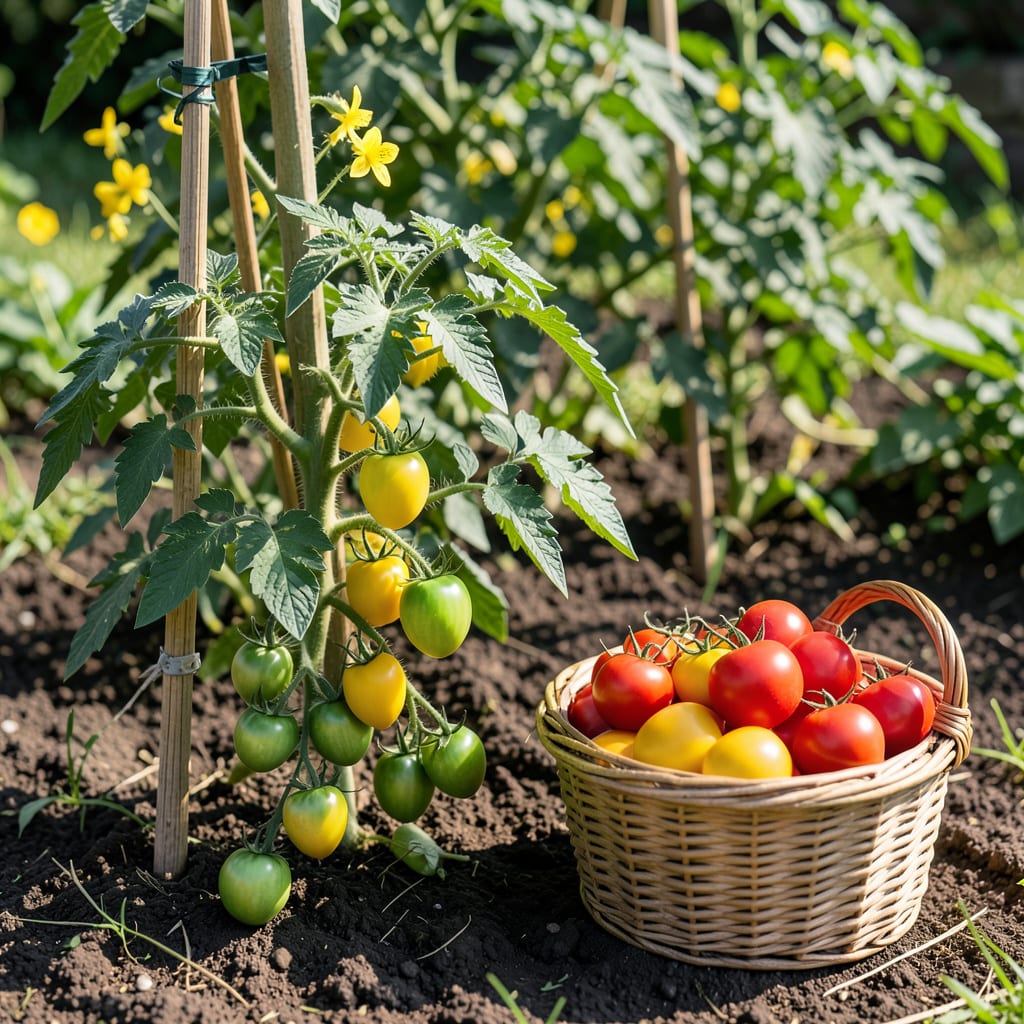
I used to stare at my Tomato 🍅 plants wondering if they were ready, until I learned the simple color cues that take all the guesswork out of harvesting. The difference between a mediocre pick and a flavor-packed one often comes down to timing.
Discover how to read your plants’ visual signals like a pro. From deep reds to golden yellows, I’ll show you exactly what to look for before you pluck.


I’ve found that tomato color is the most reliable ripeness indicator, but it varies by variety. Red tomatoes like ‘Beefsteak’ turn from green to deep red, while cherry tomatoes often develop a bright red hue when ready.
For heirloom tomatoes, the color spectrum is wider. ‘Brandywine’ turns deep pink-red, while ‘Green Zebra’ shows yellow stripes on its green base when ripe. Each variety has its own unique color cues.
| Variety | Ripe Color | Harvest Tip |
|---|---|---|
| Beefsteak | Deep red | Pick when fully red and firm |
| Cherry | Bright red | Harvest when glossy red all over |
| Heirloom (Brandywine) | Pink-red | Wait for deep pink coloration |
| Green Zebra | Green with yellow stripes | Stripes turn bright yellow when ripe |
| Yellow Pear | Golden yellow | Pick when fully yellow and slightly soft |
I always check the shoulder area near the stem first, as this is often the last part to change color. Uneven coloring might mean the tomato isn’t quite ready, even if most of it looks ripe.
For green tomatoes like ‘Green Zebra’, don’t be fooled by their base color. The yellow stripes or blush are the key indicators. I’ve made the mistake of picking them too early when they were still completely green.
Orange tomatoes like ‘Sungold’ are ready when they’re vibrant orange all over. These are some of my favorites because their bright color makes it easy to spot them among the foliage.
With purple or black tomatoes like ‘Black Krim‘, look for a deep, almost brownish-red color. The skin might appear duller than other varieties, but that’s normal for these unique tomatoes.
Remember that color development depends on temperature too. In cooler weather, tomatoes might develop uneven color or take longer to ripen. I’ve noticed this often in early spring plantings.
If you’re growing white tomatoes like ‘White Queen’, they’ll turn from green to ivory white when ripe. These can be tricky because they don’t have the obvious red hue we associate with ripeness.
Lastly, always consider the variety’s mature size along with color. A small tomato that’s the right color but hasn’t reached its expected size might need more time on the vine 🌱
While color is the most obvious indicator, I’ve found that relying solely on it can lead to missed opportunities. Tomatoes often show other clear signs of ripeness that are just as important to check before harvesting.
I always look for firmness first. A ripe tomato should yield slightly to gentle pressure but not feel mushy. This is a great complement to the color cues we use to judge readiness.
The sheen on a tomato’s skin is another telltale sign. As tomatoes ripen, their skin develops a glossy finish that’s easy to spot in good lighting. This often happens just as the color deepens.
I also check the stem connection. When a tomato is ready, the stem will often separate from the vine with just a light tug. If it resists, I leave it to ripen further, even if the color looks good.
For heirloom varieties, color can be tricky since they often have streaks or uneven patterns. In these cases, I rely more on the feel and stem test to confirm ripeness.
Finally, I’ve learned that morning harvesting works best. Tomatoes picked in the cool morning hours tend to retain better flavor and texture compared to those picked during the heat of the day.☀️
I see many gardeners make the same color mistakes I once did with tomatoes. Assuming all red tomatoes are ready just because they’re red can lead to underripe picks, especially with varieties that have green shoulders.
Another common error is ignoring uneven coloring. Some tomatoes develop blotchy patterns that don’t mean they’re ripe – this could signal sun scald or disease instead of maturity.
⚠️ Warning: Don’t confuse stress colors with ripeness. White streaks or yellow patches often indicate sun damage or nutrient issues, not readiness to pick.
I’ve also seen gardeners overlook size when judging ripeness. A small tomato with the right color might still need more vine time to reach its full potential.
For heirloom varieties, the color variations can be particularly misleading. What looks like ripeness might just be the variety’s natural pattern, not actual maturity.
Lastly, don’t let early color changes fool you. Some tomatoes start showing color at the blossom end first, but this doesn’t mean the whole fruit is ready. I always check the stem end last, as it’s typically the final area to ripen 🌱
Check for variety-specific cues like yellow stripes on Green Zebra. Most green varieties develop a creamy white or ivory tint when ready. Never pick based on size alone.
This is called green shoulder and is common in some varieties. The top may stay slightly green even when ripe. Always check the blossom end first for full color development.
Only if they’re partially ripe and weather threatens. Otherwise, wait for full color development. Early picking can result in blander flavor and mealy texture.
Yes, place them in a paper bag at room temperature. They’ll continue to ripen but won’t develop the same vine-ripened flavor. Check daily for color changes.
