
Beautiful Plants For Your Interior
Beautiful Plants For Your Interior
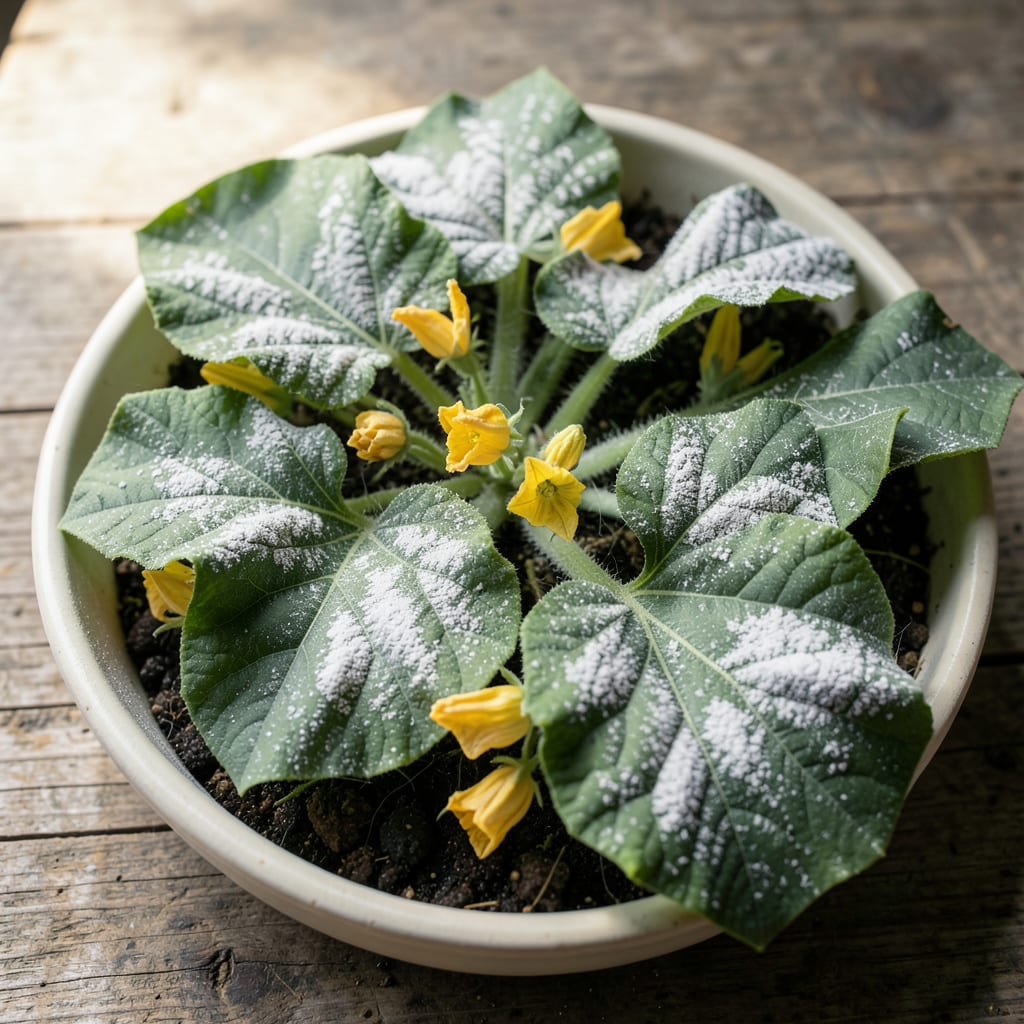
White mildew on your plants isn’t just unsightly—it’s a red flag. I’ve seen powdery mildew wipe out entire beds in a week when conditions are right, and it always starts with the same environmental triggers.
Too much humidity, poor air circulation, or crowded plants create the perfect breeding ground. My first encounter taught me that prevention beats treatment every time—simple adjustments to spacing and watering make all the difference.
You’ll spot it first as a white, powdery coating on leaves, usually on the top surfaces. Left unchecked, it stunts growth and spreads fast. The good news? It’s 100% manageable with the right approach.
Works for vegetables, flowers, and ornamentals alike. Here’s what’s really causing it—and how to stop it in its tracks.
White mildew on plants is a common fungal issue, but it doesn’t appear out of nowhere. Several environmental and cultural factors create the perfect storm for this problem. Below are the primary causes, explained in clear terms so you can tackle them head-on.
Fungal spores thrive in stagnant, moist air. When humidity levels exceed 85% and airflow is limited—such as in crowded greenhouses or dense plant canopies—spores settle on leaves and germinate. This is especially true for Podosphaera and Erysiphe species, which cause powdery mildew. Without ventilation, water vapor lingers, giving fungi the wet surface they need to grow.
Watering from above leaves foliage damp for extended periods. Unlike soil-borne pathogens, white mildew spores do not require free water to infect—but prolonged leaf wetness accelerates their spread. Evening watering is particularly risky, as cooler temperatures slow evaporation, creating a damp microclimate ideal for fungal development.
White mildew flourishes in moderate temperatures (60–80°F or 15–27°C), but sudden swings can stress plants, weakening their natural defenses. Cool nights with warm days, for instance, cause condensation on leaves (a phenomenon called guttation), which provides moisture for spores to take hold.
Plants grown too closely together compete for light and air, leading to poor circulation. Additionally, stressed or nutrient-deficient plants produce fewer defensive compounds, making them more susceptible. Over-fertilization with nitrogen can also promote lush, soft growth—prime real estate for mildew.
Fungal spores overwinter in plant debris, soil, and even gardening tools. Failing to remove infected leaves or clean tools between uses allows spores to persist and reinfect new growth. Even fallen leaves left on the soil can release spores when disturbed.
White mildew can be frustrating, but with the right approach, you can restore your plants to health. Below are targeted solutions for each common cause, along with prevention tips to keep your garden thriving. Act quickly—the sooner you treat it, the easier the recovery!
Trim dense foliage to allow air to flow freely between plants. Space potted plants apart and prune overcrowded branches. For greenhouses or indoor setups, use a small fan on low for a few hours daily to keep air moving. Prevention tip: 💡 Avoid overcrowding plants from the start—give them room to breathe!
Water plants at the base (not overhead) early in the day so leaves dry quickly. Use drip irrigation or a watering can with a narrow spout. If mildew appears, reduce watering frequency and let the top inch of soil dry out between sessions. Prevention tip: 🌡️ Use a moisture meter to avoid overwatering—most plants prefer slightly dry soil over soggy roots.
Move potted plants to sunnier spots or thin out nearby foliage to let more light reach affected areas. For outdoor gardens, prune surrounding trees or shrubs casting too much shade. Prevention tip: ☀️ Rotate indoor plants weekly so all sides get even light exposure.
Mix 1 teaspoon of baking soda + 1 quart of water + a few drops of dish soap, and spray lightly on affected leaves every 7–10 days. Alternatively, use neem oil (1 tablespoon per gallon of water) as a natural fungicide. Always test on a small area first. Prevention tip: ✨ Remove fallen leaves and debris promptly—they can harbor fungal spores.
Over-fertilizing (especially with nitrogen) can encourage mildew. Switch to a balanced, slow-release fertilizer and avoid feeding during wet weather. Strengthen plants with compost tea or seaweed extract to improve resilience. Prevention tip: 🎯 Test your soil annually to ensure proper nutrient levels.
With consistent care and these fixes, your plants will bounce back—and stay mildew-free! 🌿
Yes, fungal spores spread easily through air, water, and contact. Isolate affected plants immediately and avoid touching healthy ones after handling infected foliage.
If more than 50% of the plant is covered, removal is safest. For less severe cases, prune infected parts and treat with fungicide. Never compost diseased material.
No, it can develop anywhere with poor airflow and moisture. Even dry climates see outbreaks in crowded gardens or after overhead watering.
Rarely. Without intervention, it typically spreads and weakens plants. Early treatment with baking soda spray or neem oil can stop it effectively.
