
Beautiful Plants For Your Interior
Beautiful Plants For Your Interior
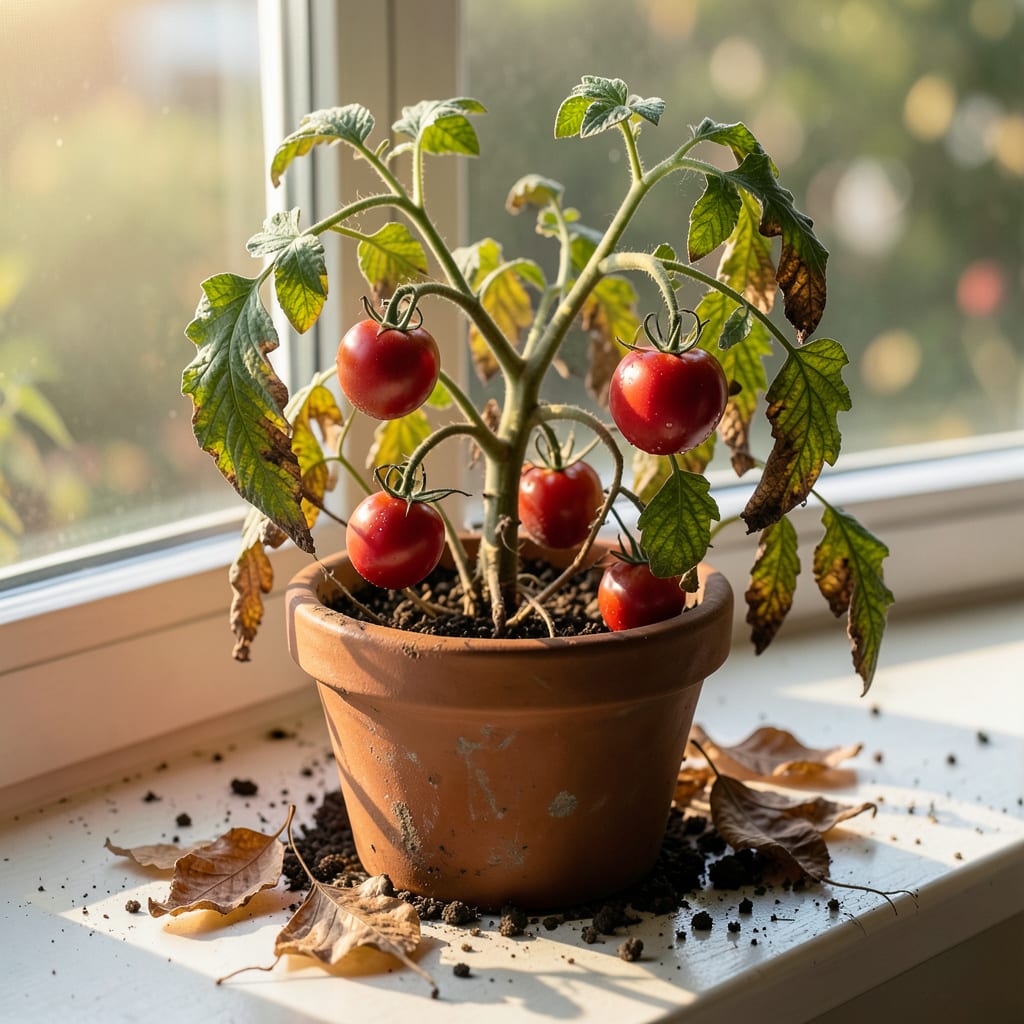
Nothing breaks a gardener’s heart like seeing healthy tomato plants suddenly droop. 🌱 I’ve lost count of how many times I’ve watched vibrant vines turn limp overnight, only to discover the culprit was lurking in the soil all along.
Often, it’s not just one thing—fungal infections, water stress, or even pest damage can all trigger that dreaded wilt. The good news? Most causes leave clear symptoms if you know where to look, and prevention is simpler than you’d think.
With the right approach, you can stop wilt before it starts. Rotating crops, improving drainage, and choosing resistant varieties make all the difference. I’ve saved entire harvests just by adjusting my watering routine.
Early action is key. Once you spot the signs, a few targeted fixes can turn things around fast—no fancy tools required.
Tomato wilt can be devastating, but understanding the root causes helps you act fast. Here’s why your plants might be drooping:
Fusarium and Verticillium are common soil-borne fungi that block a plant’s vascular system, cutting off water and nutrient flow. These pathogens thrive in warm, moist conditions and can persist in soil for years. Infected plants often show yellowing leaves, stunted growth, and—eventually—complete collapse.
Ralstonia solanacearum (bacterial wilt) attacks roots and stems, causing rapid wilting, often in just a few days. Unlike fungal wilt, bacterial wilt may ooze a milky substance when stems are cut. Contaminated tools, water, or infected plant debris spread the disease.
Sap-sucking pests like aphids, whiteflies, and spider mites weaken plants, making them more susceptible to wilt. These insects also transmit viruses, such as Tomato Spotted Wilt Virus (TSWV), which directly cause wilting, leaf spots, and stunted fruit development.
Overwatering or underwatering disrupts a tomato’s ability to absorb nutrients, leading to wilt. Root rot from waterlogged soil suffocates roots, while drought stress forces leaves to droop as the plant conserves moisture. Extreme heat or cold can also shock the system, mimicking disease symptoms.
A lack of calcium or magnesium can cause wilting, often accompanied by leaf curl or necrosis. Blossom end rot—a calcium deficiency—weakens the plant’s structure, while magnesium shortages lead to interveinal chlorosis (yellowing between leaf veins).
Watching your tomato plants droop can be disheartening, but don’t worry—there are clear fixes for the most common causes. Below, we map each issue to a practical solution, plus tips to keep your garden thriving. 🌱
Remove and destroy infected plants immediately to prevent spread. Rotate crops yearly, avoiding planting tomatoes or other Solanaceae family members (like peppers or potatoes) in the same spot. Use disease-resistant varieties next season.
Fungicides won’t cure infected plants, but they can protect healthy ones. Apply copper-based fungicides at the first sign of trouble. Improve drainage and avoid overhead watering to reduce fungal spores. Prevention tip: Mulch with straw to keep soil from splashing onto leaves. 💡
Let the soil dry slightly between waterings. Stick your finger an inch into the soil—if it’s damp, hold off. For container plants, ensure pots have drainage holes. Raise garden beds if your soil is heavy clay.
Solarize soil before planting by covering it with clear plastic for 4–6 weeks to kill nematodes. Introduce beneficial nematodes or marigold companion plants to deter pests naturally. Remove and dispose of severely infested plants.
Provide afternoon shade during heatwaves and maintain consistent moisture. Use drip irrigation to deliver water directly to roots. Pro tip: A thick layer of organic mulch helps retain soil moisture and regulate temperature. ✨
By addressing the root cause and applying these fixes, your tomatoes can bounce back—and you’ll be better prepared to prevent wilt in the future!
Disease-related wilt often starts with yellowing leaves and spreads unevenly. Drought wilt appears suddenly after hot days and recovers with watering. Check soil moisture first—dry soil means thirsty plants, while wet soil suggests disease.
Yes, if caught early! Remove infected parts, improve watering, and treat pests. Fungal wilt may require copper fungicides, while bacterial wilt means removing the plant entirely.
Rotate crops, use resistant varieties, and maintain good drainage. Solarize soil before planting and remove plant debris to eliminate hiding spots for pathogens.
Look for VFN-resistant varieties (resistant to Verticillium, Fusarium, and nematodes). ‘Better Boy’ and ‘Celebrity’ are popular choices that hold up well against common wilt causes.
