
Beautiful Plants For Your Interior
Beautiful Plants For Your Interior
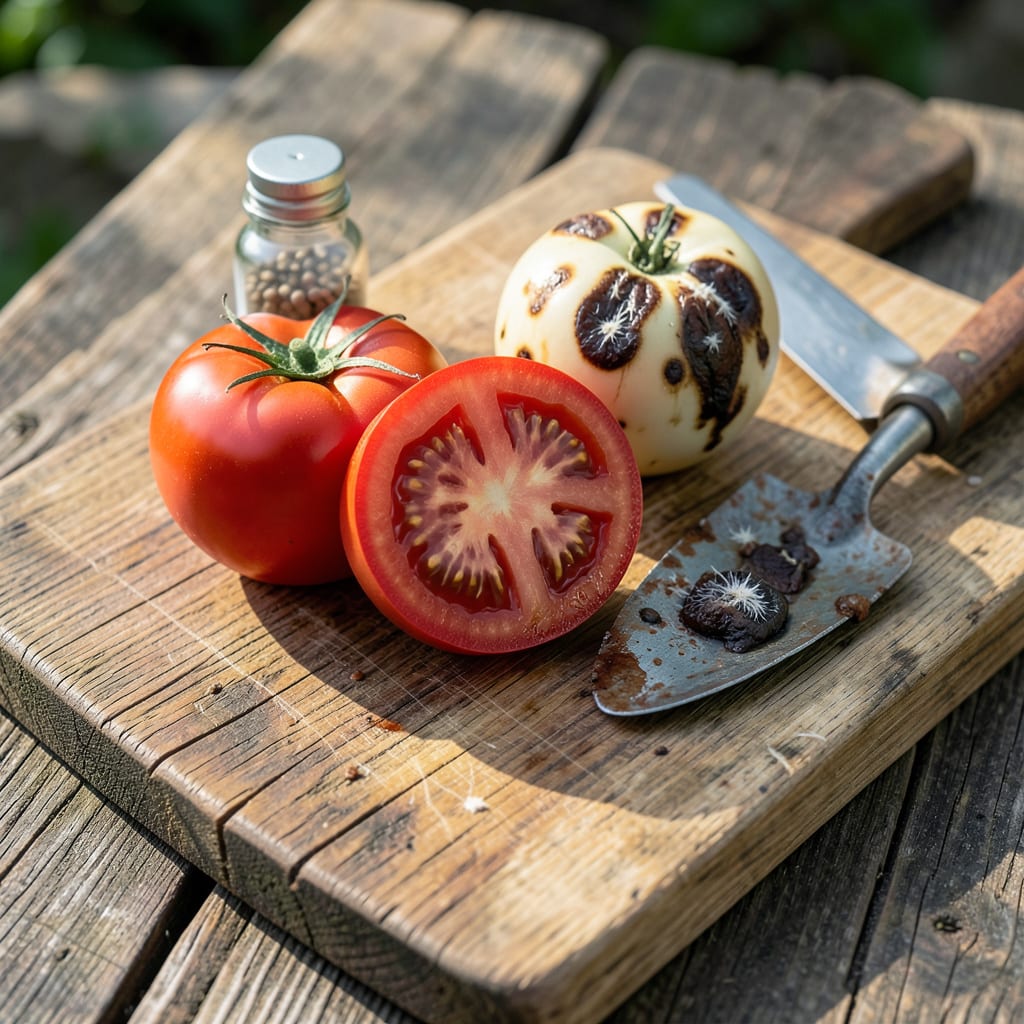
Nothing ruins a summer garden faster than watching your tomatoes rot on the vine. I’ve lost entire crops to this, and the worst part? It’s usually preventable.
Most tomato rot comes down to three things: too much water, poor air flow, or fungal spores hanging around. Fix these, and you’ll see healthier plants with way fewer issues.
Start with simple changes—water at the base, space plants properly, and remove diseased foliage fast. Small tweaks make a big difference in stopping rot before it spreads.
Works for heirlooms, cherry tomatoes, and every variety in between. The key is catching it early and staying consistent.
Understanding the root causes of tomato rot helps you tackle the problem before it spreads. Here are the most common triggers, explained scientifically:
Tomato rot, especially blossom end rot and fruit rot, thrives in overly wet conditions. Excess water in the soil reduces oxygen availability, stressing the roots. This stress disrupts calcium uptake, a key nutrient for cell wall strength. Without it, tomato fruits develop dark, sunken lesions. Fusarium and Phytophthora fungi also flourish in waterlogged soil, leading to root and stem rot.
A lack of calcium in the soil directly causes blossom end rot, a common type of tomato rot. Calcium is essential for new cell growth, and its deficiency often arises from inconsistent watering or acidic soil (pH below 6.0). Even if calcium is present, uneven moisture levels can prevent the plant from absorbing it effectively.
Pathogens like Alternaria solani (early blight) and Botrytis cinerea (gray mold) cause rotting in tomatoes. These thrive in humid environments with poor air circulation. Bacterial spot (Xanthomonas) and soft rot (Erwinia) also break down fruit tissue, often entering through wounds or cracks. Infected plants may show dark spots, wilting, or mushy fruit.
Soil pathogens such as Fusarium and Verticillium wilt fungi attack the plant’s vascular system, cutting off water and nutrient flow. This leads to wilting, yellowing, and eventual rot. These fungi can persist in the soil for years, making crop rotation and resistant tomato varieties critical.
Addressing these causes—through proper watering, soil testing, and disease management—can significantly reduce rot and boost your harvest.
Tomato rot can be frustrating, but with the right approach, you can turn things around. Below are targeted solutions for common causes, along with prevention tips to keep your plants healthy.
Fix: Remove infected leaves or fruits immediately to prevent spread. Apply copper-based fungicides or a homemade mix of baking soda and water (1 tbsp baking soda + 1 gallon water + a few drops of dish soap). Spray weekly or after rain.
Prevention: Space plants for airflow, water at the base (not overhead), and rotate crops yearly. Mulch with straw to reduce soil splash.
Fix: Stop watering temporarily and let the soil dry slightly. If roots are waterlogged, improve drainage by amending soil with compost or sand. For potted tomatoes, ensure pots have drainage holes.
Prevention: Use a moisture meter to check soil before watering. Aim for 1–2 inches of water per week, including rainfall. Drip irrigation is ideal.
Fix: Add crushed eggshells or a calcium supplement (like lime or gypsum) to the soil. For quick absorption, spray plants with a calcium chloride solution (follow package instructions). Remove affected fruits—they won’t recover.
Prevention: Maintain consistent soil moisture (fluctuations block calcium uptake). Test soil pH (aim for 6.5–7.0) and fertilize with balanced, calcium-rich options.
Fix: Handpick pests like hornworms (check under leaves) or use neem oil for soft-bodied insects. For slugs, set up beer traps or diatomaceous earth barriers.
Prevention: Encourage natural predators (birds, ladybugs) by planting companion flowers like marigolds. Keep the garden free of debris where pests hide.
💡 Pro Tip: Healthy soil is your best defense! Enrich it with organic matter (compost, worm castings) to boost plant resilience against rot and disease.
Yes, too much water leads to root stress and poor oxygen flow. This creates ideal conditions for fungal growth and calcium uptake issues, often resulting in rot. Always check soil moisture before watering.
Maintain consistent soil moisture and add calcium to the soil. Use crushed eggshells or lime, and test soil pH to keep it between 6.5–7.0. Avoid watering fluctuations.
Remove infected parts immediately and apply copper-based fungicides or a baking soda spray. Improve airflow by spacing plants and watering at the base, not the leaves.
Yes, but some varieties show more resistance. Even resistant types need good drainage to thrive. Amend soil with compost or sand to improve water flow.
