
Beautiful Plants For Your Interior
Beautiful Plants For Your Interior
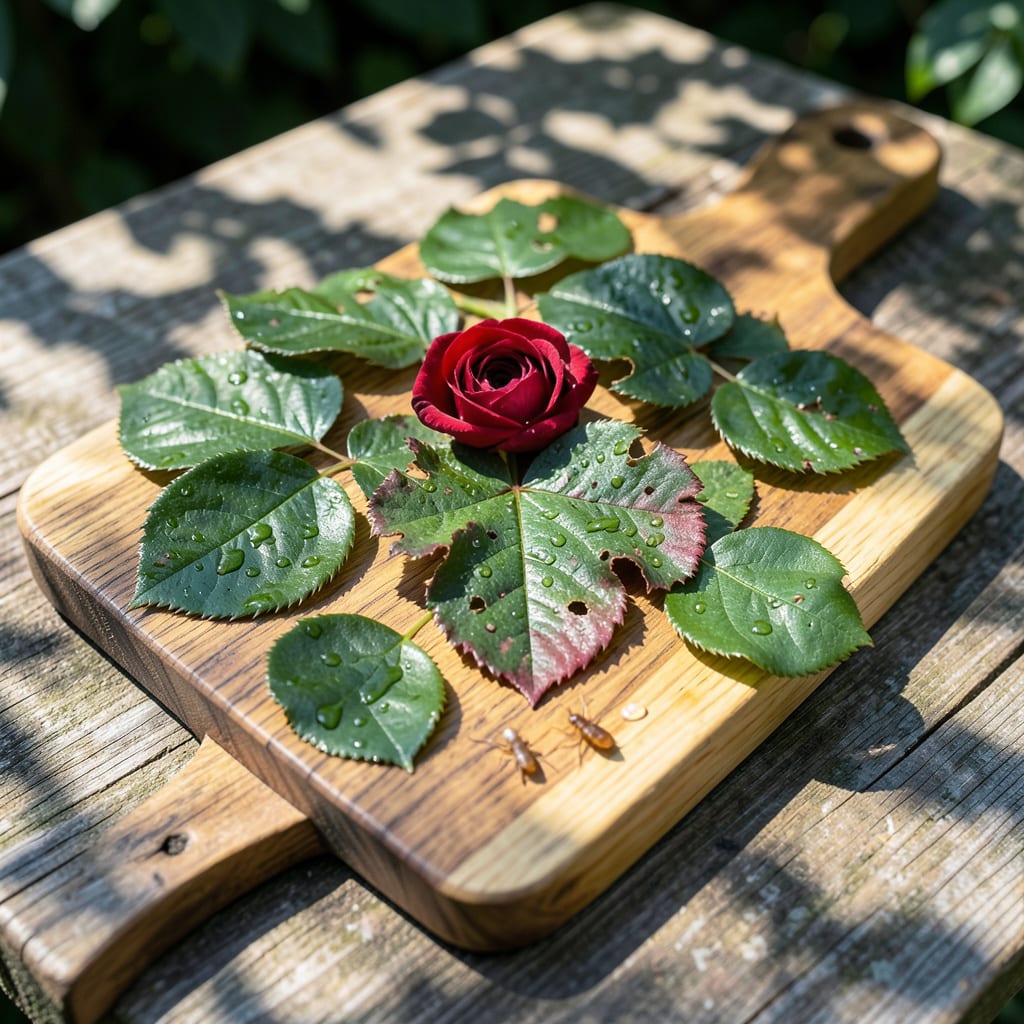
Nothing ruins a perfect rose bush faster than chewed-up leaves. I’ve lost count of how many times I’ve found my roses looking like Swiss cheese overnight.
Those holes usually mean one of three things: hungry beetles, sneaky sawfly larvae, or a fungus that’s eating away at the foliage. The good news? Each leaves behind distinct clues if you know where to look.
Early detection makes all the difference. Catching the problem in the first 24-48 hours often means saving your plant without harsh chemicals.
Organic fixes work surprisingly well—hand-picking pests, spraying soapy water, or introducing beneficial bugs. Here’s how to diagnose and fix it fast.
Holes in rose leaves are often a sign of trouble, but identifying the cause is the first step to fixing it. Here are the most common culprits behind this frustrating issue:
Many insects chew or pierce rose leaves, leaving behind visible damage. Japanese beetles are a prime suspect—they skeletonize leaves by eating the soft tissue between veins. Rose slugs (sawfly larvae) also cause irregular holes, often starting at the leaf edges. Aphids and thrips may create tiny punctures or distorted growth. Inspect the undersides of leaves for these pests or their eggs.
While fungi like black spot or powdery mildew typically cause spots rather than holes, severe infections can weaken leaves, making them prone to tearing or secondary damage. Bacterial leaf spot (Xanthomonas spp.) can cause small, water-soaked lesions that eventually dry out and perforate. These issues thrive in wet, humid conditions, so improve air circulation and avoid overhead watering.
Extreme weather can also lead to holes. Hail or strong winds physically tear leaves, while drought stress weakens them, making them more susceptible to pests or disease. Herbicide drift (from nearby lawn treatments) can cause irregular burning or hole-like symptoms. Check for patterns—environmental damage often appears uniformly across the plant, unlike pest activity, which is more localized.
Sometimes, the culprit is non-living. Garden tools, animals (like deer or rabbits), or even string trimmers can accidentally puncture or shred rose leaves. Look for jagged edges or damage concentrated in one area. Protective barriers or careful landscaping can prevent this type of injury.
Once you’ve identified the culprit behind the holes in your rose leaves, it’s time to take action. Below are targeted, organic solutions for the most common causes, paired with prevention tips to keep your roses thriving. 🌹
Fix: Handpick visible pests early in the morning when they’re sluggish, and drop them into soapy water. For larger infestations, spray leaves with neem oil or insecticidal soap (1 tbsp mild soap per quart of water). Reapply every 5–7 days until pests are gone.
Prevention: Encourage natural predators like ladybugs and lacewings by planting companion flowers (e.g., marigolds or yarrow). Use floating row covers to shield new growth from egg-laying adults.
Fix: Remove and destroy infected leaves immediately to stop the spread. Treat remaining foliage with a baking soda spray (1 tsp baking soda + 1 quart water + a drop of dish soap) or copper fungicide for bacterial issues. Prune to improve airflow.
Prevention: Water at the base of the plant (not overhead) to keep leaves dry. Space roses 3–4 feet apart for better circulation. Apply mulch to prevent soil-borne spores from splashing onto leaves.
Fix: Install a physical barrier like chicken wire or a 6-foot-tall fence. For smaller critters, use repellents such as garlic or hot pepper sprays (reapply after rain).
Prevention: Plant deer-resistant varieties (e.g., Rosa rugosa) or intersperse roses with unpalatable herbs like lavender or rosemary.
Fix: Test soil pH (roses prefer 6.0–6.5). Amend with compost or a balanced organic fertilizer (10-10-10). For iron deficiency (yellowing with green veins), apply chelated iron to the soil.
Prevention: Feed roses every 4–6 weeks during growing season. Avoid over-fertilizing, which can attract sap-sucking pests.
💡 Pro Tip: Inspect leaves weekly—early intervention saves time and heartache!
Look for skeletonized leaves with only veins remaining. Japanese beetles often attack in mid-morning and leave behind a distinct lacy pattern. Check leaf undersides for the metallic green pests.
Neem oil works well against soft-bodied pests like aphids and sawfly larvae. For tougher pests like beetles, you may need to handpick them first. Always apply in the evening to avoid harming bees.
Overwatering itself won’t create holes, but it can lead to fungal infections that weaken leaves. These may then develop holes from secondary pest damage. Aim for 1-2 inches of water per week.
