
Beautiful Plants For Your Interior
Beautiful Plants For Your Interior
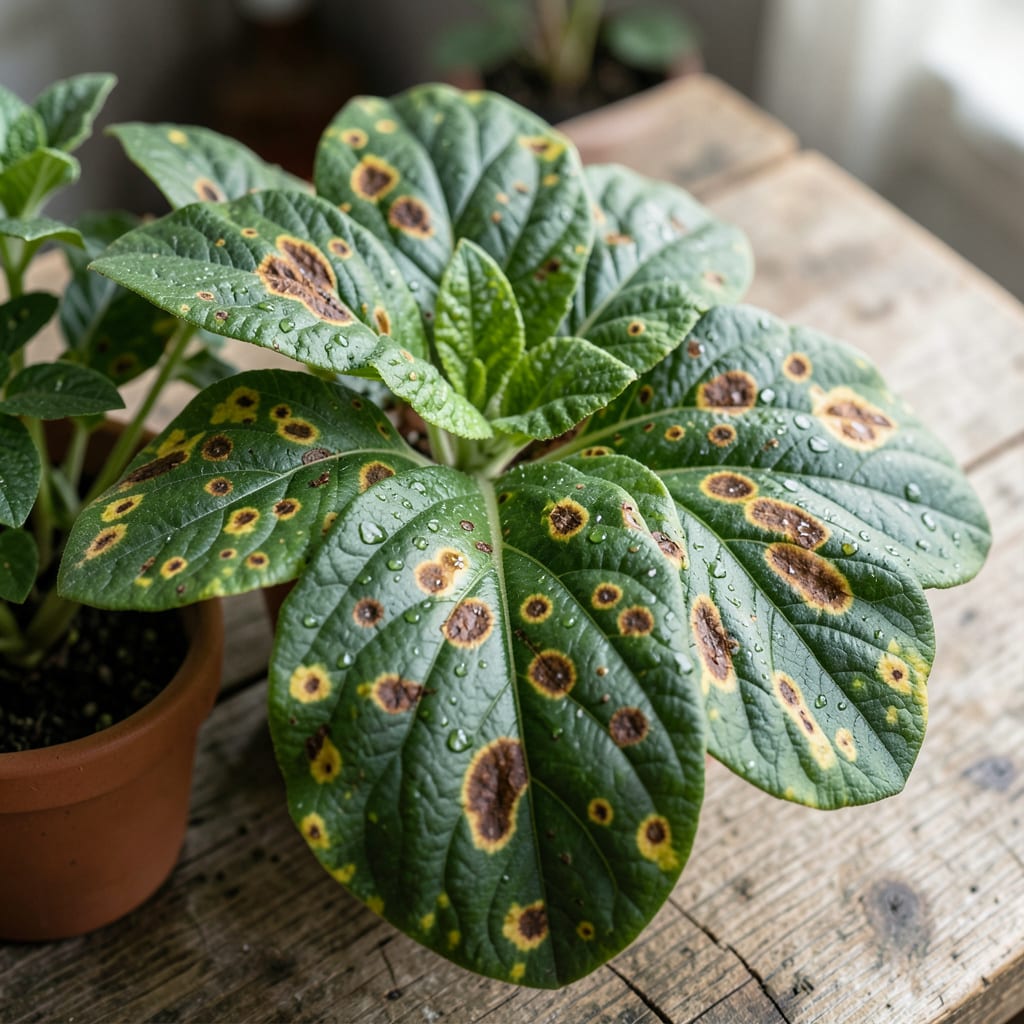
Brown spots on leaves are your plants’ way of waving a white flag. I’ve seen this happen to my tomatoes, roses, and even houseplants—each time, the cause was different.
Sometimes it’s a fungal party crashing the leaves after too much rain. Other times, pests are chewing away, or the sun’s just too harsh for their taste. The fix starts with playing detective.
Organic solutions work fast once you know the culprit. A little neem oil, better airflow, or adjusting water can turn things around in a week or two.
Prevention is simpler than you think. Keep leaves dry, space plants properly, and watch them closely. Your garden will thank you.
Brown spots on plants are often a distress signal, and pinpointing the cause is the first step to revival. Here’s what’s likely happening under the surface:
Fungi like Alternaria, Septoria, or Phyllosticta thrive in damp, poorly ventilated environments. They invade plant tissues through spores, disrupting cellular function and creating dark, irregular spots with yellow halos. Overhead watering and crowded foliage accelerate their spread.
Bacteria such as Pseudomonas syringae or Xanthomonas enter through wounds or stomata, multiplying rapidly in warm, wet conditions. They block water transport, leading to tissue death and water-soaked brown patches that may ooze or crust over.
Sap-sucking pests like spider mites, aphids, or thrips pierce plant cells, causing localized necrosis. Their feeding weakens the plant, and their sticky honeydew can foster sooty mold, which further stresses the foliage, manifesting as brown or black spots.
Extreme heat, frost, or sudden temperature swings rupture cell membranes, leading to scorched, brown patches. Similarly, over-fertilization (especially with salts) or underwatering can cause nutrient imbalances, resulting in marginal browning or leaf tip burn.
A lack of potassium, magnesium, or calcium disrupts chlorophyll production and cell wall integrity. Potassium deficiency, for example, often causes brown, crispy edges on older leaves, while calcium deficiency may lead to blossom end rot in fruits, appearing as dark, sunken spots.
Brown spots on your plants can be frustrating, but most issues are fixable with the right approach. Below are targeted solutions for common causes, along with prevention tips to keep your greenery thriving.
Remove affected leaves to prevent spread, then apply copper-based fungicides or a baking soda spray (1 tsp baking soda + 1 quart water + a few drops of dish soap). Prevention tip: 💡 Space plants properly for airflow, water at the base (not leaves), and avoid overhead watering in humid weather.
Wipe leaves with neem oil or insecticidal soap to eliminate pests like spider mites or aphids. For severe infestations, introduce beneficial insects like ladybugs. Prevention tip: 🎯 Inspect plants weekly and keep the area free of debris where pests hide.
Move plants to a spot with indirect sunlight or use shade cloth. If growing outdoors, acclimate them gradually to full sun. Prevention tip: ✨ Monitor light intensity, especially for tender new growth or indoor plants near windows.
Stop watering immediately and let the soil dry out. Repot in well-draining soil and ensure pots have drainage holes. Prevention tip: 🌡️ Check soil moisture with your finger—water only when the top 1-2 inches are dry.
Use a balanced liquid fertilizer (e.g., 10-10-10) or amend soil with compost. For magnesium deficiency (common in tomatoes), try Epsom salt spray (1 tbsp per gallon of water). Prevention tip: 📊 Test soil annually to catch deficiencies early.
Move potted plants indoors or cover garden plants with frost cloth during cold snaps. Prevention tip: ❄️ Harden off plants before transplanting outdoors to avoid shock.
With these fixes, your plants should bounce back in no time—just stay consistent and observant!
Yes, overwatering leads to root rot, which prevents proper nutrient uptake. This often causes brown, mushy spots on leaves, especially near the base. Always check soil moisture before watering.
Fungal spots are usually dark brown or black with yellow halos, often appearing on lower leaves first. They spread quickly in wet conditions and may have a powdery or fuzzy texture.
If caused by fungi, bacteria, or pests, spots can spread to nearby plants. Isolate affected plants and treat immediately. Neem oil or copper fungicides can help contain the issue.
A lack of magnesium, potassium, or calcium often shows as brown edges or spots. Test your soil and adjust fertilization to restore balance.
