
Beautiful Plants For Your Interior
Beautiful Plants For Your Interior
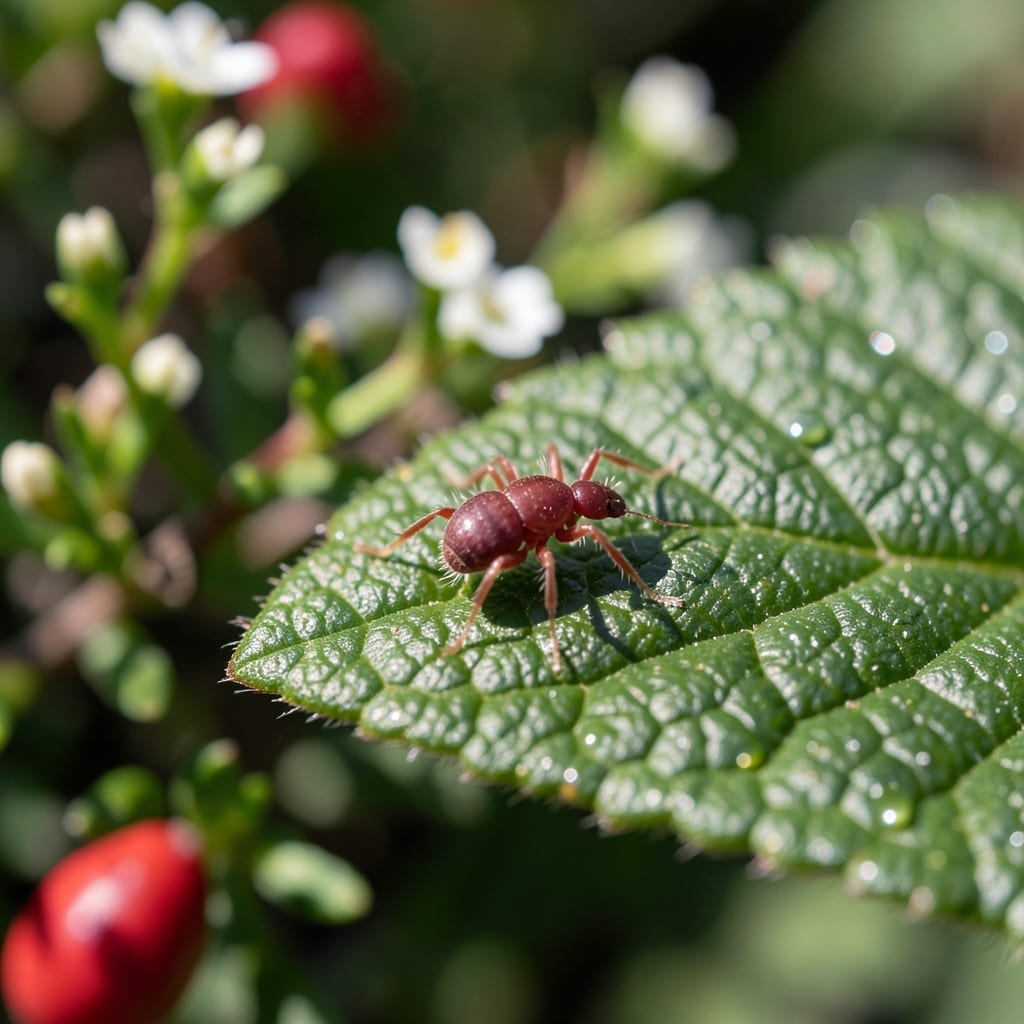
Tiny red dots moving on your plants aren’t soil—they’re trouble. I first spotted them on my azaleas last summer, and within 48 hours the leaves looked like lace.
These pests are likely spider mites, barely visible but causing big damage by sucking plant juices. They thrive in hot, dry conditions and multiply faster than you’d believe.
Left unchecked, they’ll weaken plants, stunt growth, and spread to neighbors. The good news? They’re treatable with early action.
We’ll cover how to spot them, stop them, and keep your garden mite-free for good.
Little red mites, often Tetranychus species like the two-spotted spider mite, thrive under specific conditions. Their outbreaks aren’t random—they’re triggered by environmental and biological factors that disrupt natural balances. Below are the primary causes, explained with actionable insights.
These mites reproduce rapidly in hot, dry weather (above 80°F/27°C with low humidity). Their life cycle accelerates—eggs hatch in as few as 3 days, and females lay hundreds of eggs in a lifetime. Action: Monitor soil moisture and use shade cloths during heatwaves to reduce stress on plants, which are more vulnerable to infestations when weakened.
Broad-spectrum insecticides kill natural predators (like ladybugs and lacewings) that keep mite populations in check. Without these allies, mites multiply unchecked. Action: Switch to miticides (e.g., neem oil or insecticidal soaps) or introduce beneficial insects like Phytoseiulus persimilis, a predatory mite.
Drought-stressed, over-fertilized, or nutrient-deficient plants produce higher nitrogen levels in their sap, which mites love. Overwatering can also create humid microclimates under leaves. Action: Maintain balanced fertilization (avoid excess nitrogen) and water consistently at the base to avoid leaf wetness.
Monoculture gardens (e.g., rows of a single crop) lack predator diversity, giving mites free rein. Action: Plant companion species like marigolds or garlic, which repel mites, and maintain habitat diversity to attract natural enemies.
Little red mites can be a nuisance, but with the right approach, you can reclaim your garden. Here’s how to tackle the problem based on common causes:
If excess water is the culprit, cut back on irrigation and ensure proper drainage. Let the soil dry between waterings, and avoid watering in the evening to discourage mite activity. Prevention tip: 💡 Use drip irrigation to target roots and keep foliage dry.
Weak or stressed plants attract mites. Boost plant health with balanced fertilization and regular pruning to improve airflow. Remove heavily infested leaves or stems to prevent spread. Prevention tip: ✨ Rotate crops and diversify plantings to reduce vulnerability.
For soil-dwelling mites, remove debris and weeds where they hide. Apply neem oil or insecticidal soap to affected areas, following label instructions. Prevention tip: 🎯 Solarize soil before planting by covering it with clear plastic for 4–6 weeks to kill pests naturally.
Encourage beneficial insects like ladybugs, lacewings, or predatory mites that feed on little red mites. Avoid broad-spectrum pesticides that harm these allies. Prevention tip: 🌡️ Plant pollinator-friendly flowers (e.g., marigolds, alyssum) to attract helpful bugs.
Proactive care is key—monitor plants regularly and act at the first sign of trouble to keep your garden thriving!
No, red mites don’t bite or transmit diseases to people. They only target plants, feeding on sap and causing leaf damage. You can safely handle infested plants with gloves.
Look for tiny red dots on leaf undersides and fine webbing between stems. Early signs include speckled leaves or a bronze appearance. Check plants weekly during hot, dry weather.
A spray of 1 tablespoon dish soap per 1 quart water can kill mites on contact. Apply every 3-4 days until they’re gone. Test on a small area first to avoid plant damage.
Mites return if predators are absent or plants stay stressed. Boost biodiversity with companion plants and avoid over-fertilizing. Maintain consistent watering to discourage reinfestation.