
Beautiful Plants For Your Interior
Beautiful Plants For Your Interior
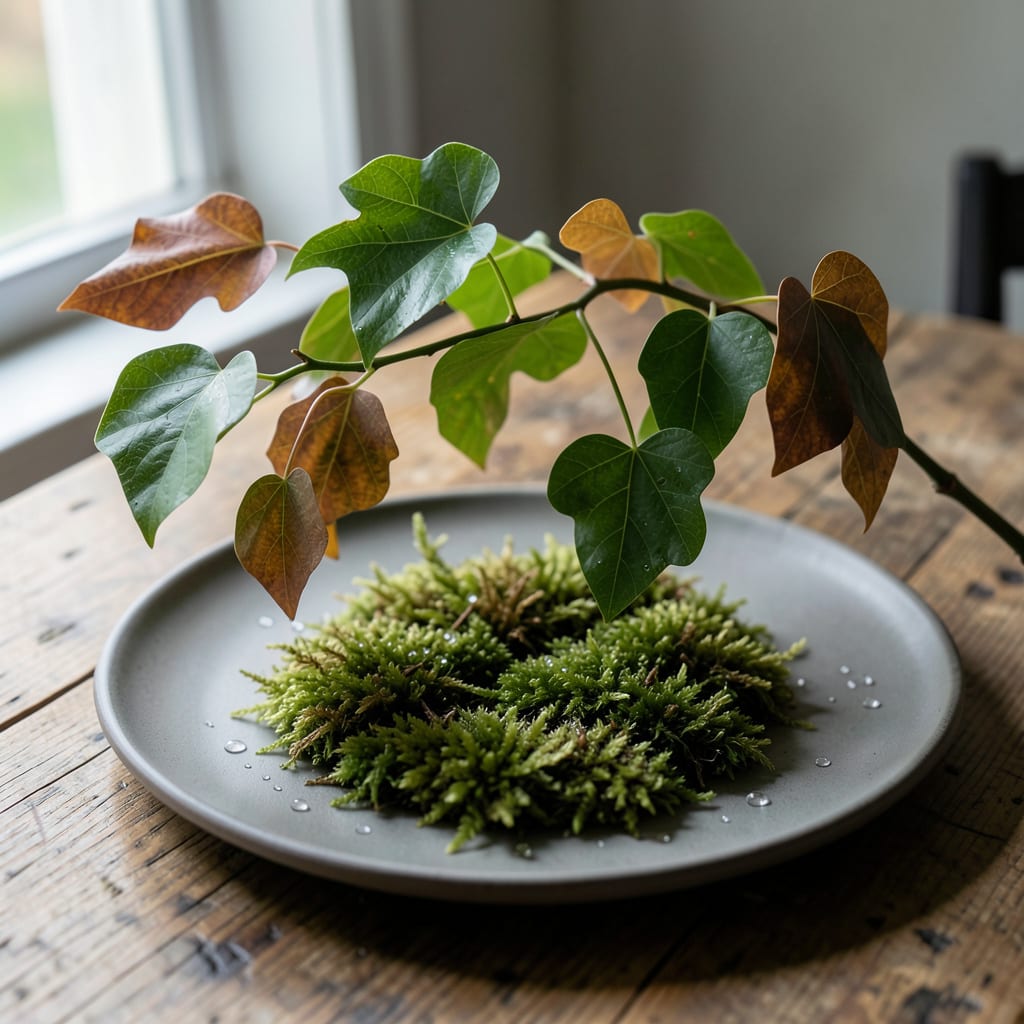
My weeping fig looked like it was giving up—until I figured out why. Leaf drop often signals stress, not a death sentence. Most cases trace back to simple fixes: too much water, too little light, or a sudden change in environment.
I’ve revived mine twice now by adjusting watering schedules and finding the right spot. The key is paying attention to what changed right before the leaves started falling. Usually, it’s something in your control.
You’ll start seeing new growth within 2-3 weeks of addressing the root cause. The plant wants to recover—it just needs the right conditions to do so.
Works for indoor figs of all sizes, from tabletop to floor plants. Here’s how to diagnose and fix it.
The weeping fig (Ficus benjamina) is sensitive to environmental changes, and leaf drop often signals stress. Below are the most common causes, explained scientifically for clarity and actionable solutions.
Weeping figs thrive in stable temperatures between 65–75°F (18–24°C). Drafts from air conditioners, heaters, or open windows can shock the plant, triggering ethylene production—a stress hormone that accelerates leaf abscission (shedding). Even a 10°F (5°C) drop in a short period can cause visible leaf loss within days.
Root health directly impacts foliage. Overwatering suffocates roots, reducing oxygen uptake and leading to root rot (Phytophthora or Pythium fungi). Underwatering, meanwhile, causes xylem cavitation—air bubbles block water transport in the vascular system, starving leaves of moisture. Check soil moisture 1–2 inches deep; water only when dry.
As a tropical understory plant, the weeping fig needs bright, indirect light. Insufficient light weakens chlorophyll production, while sudden exposure to direct sunlight can scorch leaves (photoinhibition). Move the plant gradually to adjust light levels—1–2 hours of extra light per day prevents shock.
Native to humid rainforests, weeping figs prefer 40–60% humidity. Dry air (common indoors) increases transpiration rate, forcing the plant to shed leaves to conserve water. Use a humidifier or pebble tray to maintain consistency.
Sap-sucking pests like spider mites (Tetranychus urticae) or scale insects (Coccidae) pierce leaf cells, disrupting nutrient flow. Infested leaves often yellow before dropping. Inspect undersides weekly and treat with neem oil or insecticidal soap at first signs.
If your weeping fig (Ficus benjamina) is dropping leaves, don’t panic—most issues are fixable with a few adjustments. Below are targeted solutions for common causes, along with prevention tips to keep your plant thriving.
Fix: Check the soil with your finger—water only when the top 1-2 inches feel dry. If the soil is soggy, let it dry out and ensure the pot has drainage holes. For underwatering, give it a deep soak until water runs out the bottom.
Prevention: Use a moisture meter or stick to a consistent watering schedule (e.g., every 7-10 days in summer, less in winter). Pro tip: 🌡️ Room temperature affects drying time—adjust accordingly.
Fix: Move your weeping fig to bright, indirect light (e.g., near an east-facing window). If leaves drop after relocating, give it time to acclimate—avoid moving it frequently.
Prevention: Rotate the pot quarterly to ensure even light distribution. Avoid drafty spots or direct sunlight, which can scorch leaves.
Fix: Keep the plant away from AC vents, heaters, or cold drafts. Maintain a steady temperature between 65-75°F (18-24°C). If it’s near a window, close curtains at night to prevent chills.
Prevention: 💡 Use a small space heater or humidifier in winter to combat dry air. Avoid placing it near frequently opened doors.
Fix: Use a balanced, water-soluble fertilizer (e.g., 10-10-10) every 4-6 weeks during spring and summer. If leaves are pale or yellow, it may need nitrogen—switch to a higher-N formula.
Prevention: 🎯 Flush the soil with water every 2-3 months to remove salt buildup from fertilizers. Reduce feeding in fall and winter.
Fix: Wipe leaves with a damp cloth to remove spider mites or mealybugs. For stubborn infestations, use neem oil or insecticidal soap, applying every 7-10 days until gone.
Prevention: ✨ Isolate new plants for 2 weeks before introducing them to your collection. Mist leaves occasionally to deter pests.
With these fixes, your weeping fig should bounce back in a few weeks. Consistency is key—observe its response and adjust care as needed!
Water when the top 1-2 inches of soil feel dry, typically every 7-10 days in summer. Reduce frequency in winter. Always use pots with drainage holes to prevent root rot.
Yes! With proper care, new growth appears in 2-3 weeks. Focus on stable conditions—consistent light, temperature, and watering. Avoid moving the plant during recovery.
It’s reacting to environmental shock. Even small changes in light or temperature can trigger leaf drop. Acclimate it gradually by adjusting its location in 1-2 hour increments.
Aim for 40-60% humidity. Use a humidifier or pebble tray if indoor air is dry. Misting leaves occasionally also helps maintain moisture.
