
Beautiful Plants For Your Interior
Beautiful Plants For Your Interior
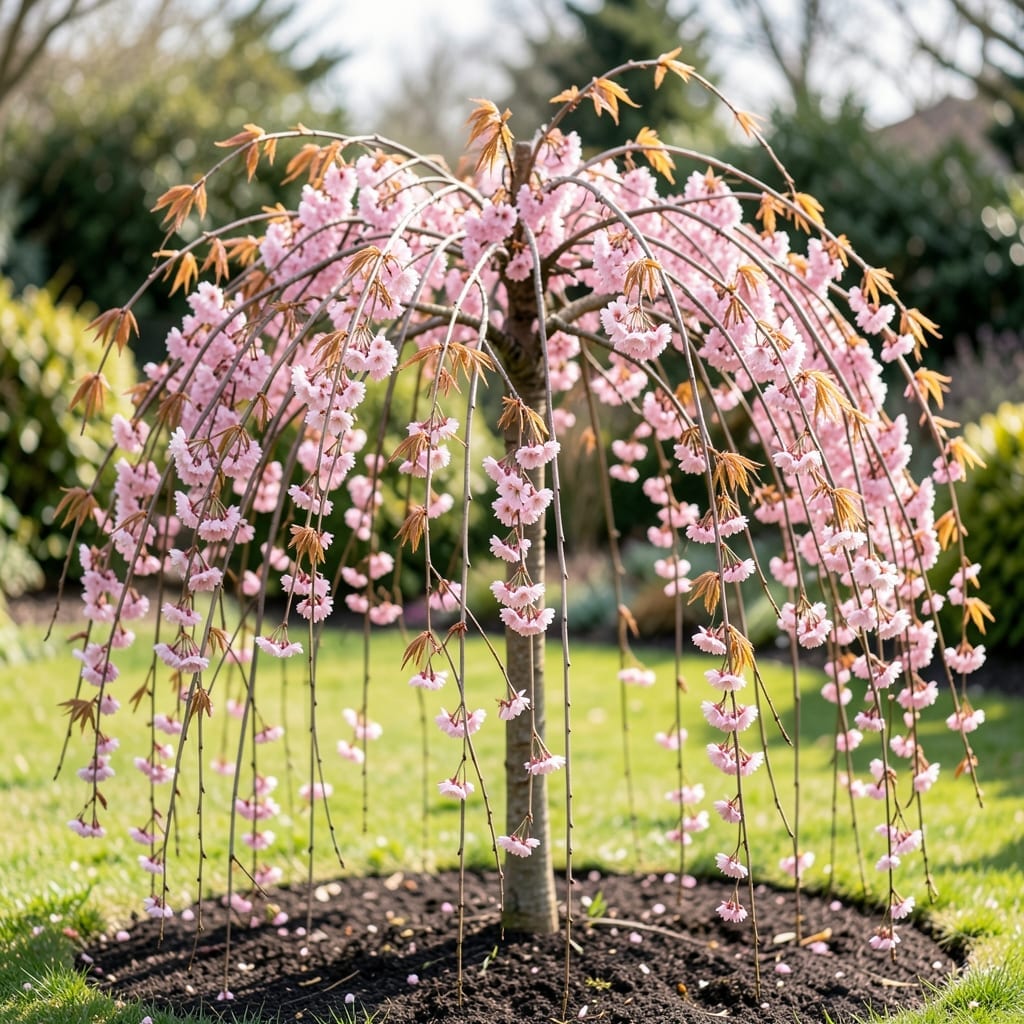
Weeping cherry trees add graceful elegance to any landscape, but their mature size often surprises gardeners. Knowing the exact dimensions helps you plan the perfect spot before planting.
The 🌸 Weeping Cherry can reach 15-25 feet tall with a similar spread, creating a stunning focal point. Whether you have a spacious yard or a cozy garden, understanding its growth habits is key to successful planting.
I’ll walk you through the typical sizes of different varieties and what factors might influence their growth. This knowledge ensures your tree thrives without overcrowding its space.
Discover how to match the right weeping cherry to your garden’s dimensions and create the landscape of your dreams.


Weeping cherry trees are a stunning addition to any garden, but their mature size varies significantly by variety. Understanding these dimensions helps you choose the perfect spot for planting and avoid future landscaping headaches. 🌸
Most standard weeping cherries reach 15-25 feet tall with a similar spread, while dwarf varieties stay compact at 8-12 feet. Semi-dwarf types typically land in the 12-18 foot range, making them ideal for smaller spaces.
| Variety | Mature Height | Mature Spread |
|---|---|---|
| Higan Weeping Cherry | 20-25 ft | 15-20 ft |
| Snow Fountain | 8-12 ft | 6-8 ft |
| Pendula | 15-20 ft | 10-15 ft |
The Higan weeping cherry is one of the tallest, often reaching 20-25 feet with a 15-20 foot spread. Its cascading branches create a dramatic focal point in larger landscapes. This variety thrives in USDA zones 5-8 and prefers full sun for optimal growth. 🌳
For smaller gardens, the Snow Fountain is a fantastic choice. This dwarf weeping cherry stays under 12 feet tall with a 6-8 foot spread, making it perfect for patios or tight spaces. It’s also more cold-hardy than many other varieties.
The Pendula weeping cherry falls in the middle, typically growing 15-20 feet tall with a 10-15 foot spread. Its graceful, pendulous branches make it a favorite for parks and larger yards. Like most weeping cherries, it blooms in early spring with stunning pink or white flowers.
When selecting a variety, consider your garden’s size and the tree’s mature dimensions. A standard weeping cherry may overwhelm a small backyard, while a dwarf variety could get lost in a large landscape. Always check the tag or label for expected size at maturity.
Another key factor is the rootstock for grafted trees. Some weeping cherries are grafted onto dwarfing rootstocks, which keeps them smaller than their natural size. Ask your local nursery for details if you’re unsure about a tree’s potential growth.
Remember, these sizes are estimates—actual growth depends on soil quality, water availability, and pruning practices. With proper care, your weeping cherry can reach its full, majestic potential in just a few years. ✂️
If you’re planting near a structure or walkway, account for the tree’s spread as well as its height. Weeping cherries often grow wider than they do tall, so give them plenty of room to show off their elegant form. 🌿
Several key factors can make your weeping cherry grow taller or stay smaller than expected. Climate plays a huge role—cooler zones often produce more compact trees while warmer areas may see faster growth.
Soil quality matters too. Rich, well-draining soil encourages healthy development, while poor soil can stunt a tree’s potential. I’ve seen trees struggle in heavy clay until amended properly.
Your pruning approach directly shapes the tree’s form. Regular, light pruning maintains a graceful weep while heavy cuts can encourage more upright growth. I recommend pruning after flowering for best results.
For grafted weeping cherries, the rootstock determines maximum size. Dwarf rootstocks keep trees at 8-12 feet, while standard types reach 15-25 feet. Always check the label when purchasing.
Water stress can limit growth. These trees prefer consistent moisture, especially during the first few years. Once established, they show good drought tolerance but won’t reach full size without proper care.
Finally, sunlight exposure makes a difference. Full sun produces the most vigorous growth and best flowering. Trees in partial shade may grow more slowly and develop a more open canopy. ☀️