
Beautiful Plants For Your Interior
Beautiful Plants For Your Interior
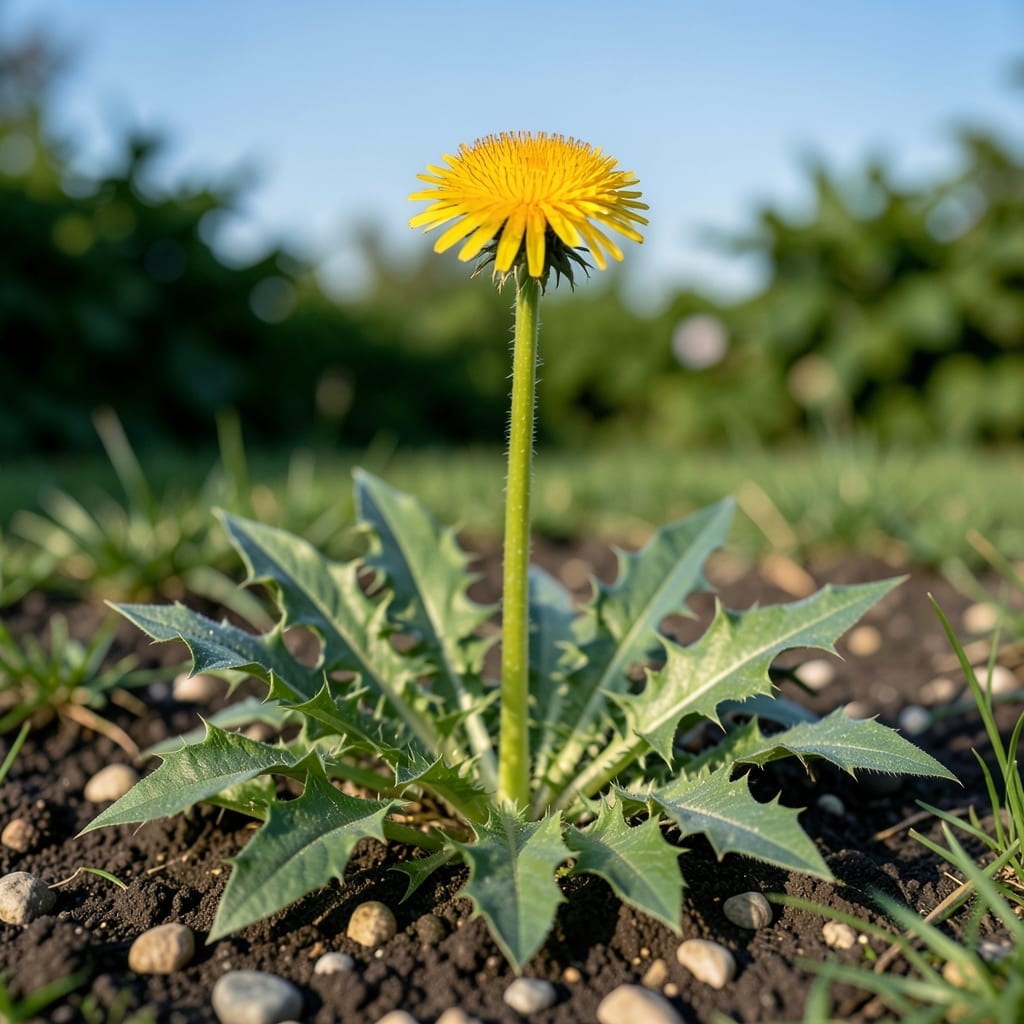
Those white fluffy seed heads are sneaky invaders. I spotted them first along my fence line, harmless-looking until they exploded into hundreds of seeds with the slightest breeze.
Early identification is key—catch them before they spread. Most are common weeds like dandelions or milkweed, but their fluffy seeds travel dozens of feet on a windy day, turning a small problem into a garden takeover.
Removal is simple: pull the entire plant, roots and all, before the seeds mature. A quick tug now saves you hours of weeding later when those fluffy heads turn into a sea of new plants.
Prevention works best with mulch and dense plantings. Block the sunlight, and these weeds won’t get the chance to sprout—or spread their fluffy chaos.
The appearance of weeds with white, fluffy seed heads is often tied to their natural life cycle and environmental triggers. These plants, commonly known as dandelions or blowballs, develop fluffy seed heads as a reproductive strategy to disperse seeds efficiently. Below are the key causes behind this phenomenon:
Many weeds, including dandelions (Taraxacum officinale), enter a reproductive phase where they produce composite flowers that mature into white, puffball-like seed heads. This is a biological mechanism to ensure seed dispersal by wind, animals, or human activity. The fluffy structure, called a pappus, acts like a parachute, allowing seeds to travel long distances.
Weeds often produce fluffy seed heads in response to environmental conditions such as:
If weeds are not removed during their early growth stages (e.g., as yellow flowers), they will inevitably progress to the fluffy seed head stage. This is a sign that the plant has successfully completed its life cycle and is now focused on spreading its seeds for the next generation. Regular monitoring and early removal can prevent this stage from occurring.
Dealing with weeds that have white fluffy seed heads can feel overwhelming, but with the right approach, you can regain control of your garden. Below are targeted solutions for common causes, along with prevention tips to keep them from coming back.
Fix: Start by pulling the weeds by hand, especially before they go to seed. Use a weeding tool to remove deep roots and ensure the entire plant is uprooted. If the infestation is severe, consider smothering the area with black plastic or cardboard for a few weeks to kill existing weeds.
Prevention: Apply a thick layer of mulch (2-3 inches) to suppress new growth. Regularly inspect your beds and remove weeds early to prevent them from spreading.
Fix: Mow your lawn high (3-4 inches) to shade the soil and discourage weed growth. For existing weeds, use a selective herbicide labeled for broadleaf weeds, or opt for natural remedies like vinegar spray (1 gallon of vinegar + 1 cup of salt + 1 tbsp dish soap). Spot-treat affected areas carefully to avoid harming grass.
Prevention: Overseed bare spots in your lawn to crowd out weeds. Aerate and fertilize regularly to promote healthy grass growth, which naturally resists weed invasion.
Fix: If the fluffy seed heads have already spread, rake the area to remove seeds before they germinate. Use a leaf blower on a dry day to gather seeds into a pile for easy disposal. For persistent weeds, a pre-emergent herbicide can stop seeds from sprouting.
Prevention: Monitor your garden for early signs of these weeds and remove them before they flower. Install windbreaks like fences or shrubs to reduce seed dispersal from neighboring areas.
💡 Pro Tip: Always dispose of pulled weeds in a sealed bag—never compost them, as seeds can survive and spread!
Yes, dandelions are the most common weed with white fluffy seed heads. Their yellow flowers turn into those familiar puffballs that scatter seeds in the wind.
Individual seeds can travel up to 5 miles on a breezy day. That’s why early removal is critical to prevent widespread infestation.
Mowing can help if done before seed heads mature, but it often spreads seeds if the puffballs are already formed. Pull the entire plant instead.
They compete for nutrients and space but aren’t directly harmful. Left unchecked, they can overwhelm gardens and lawns quickly.