
Beautiful Plants For Your Interior
Beautiful Plants For Your Interior
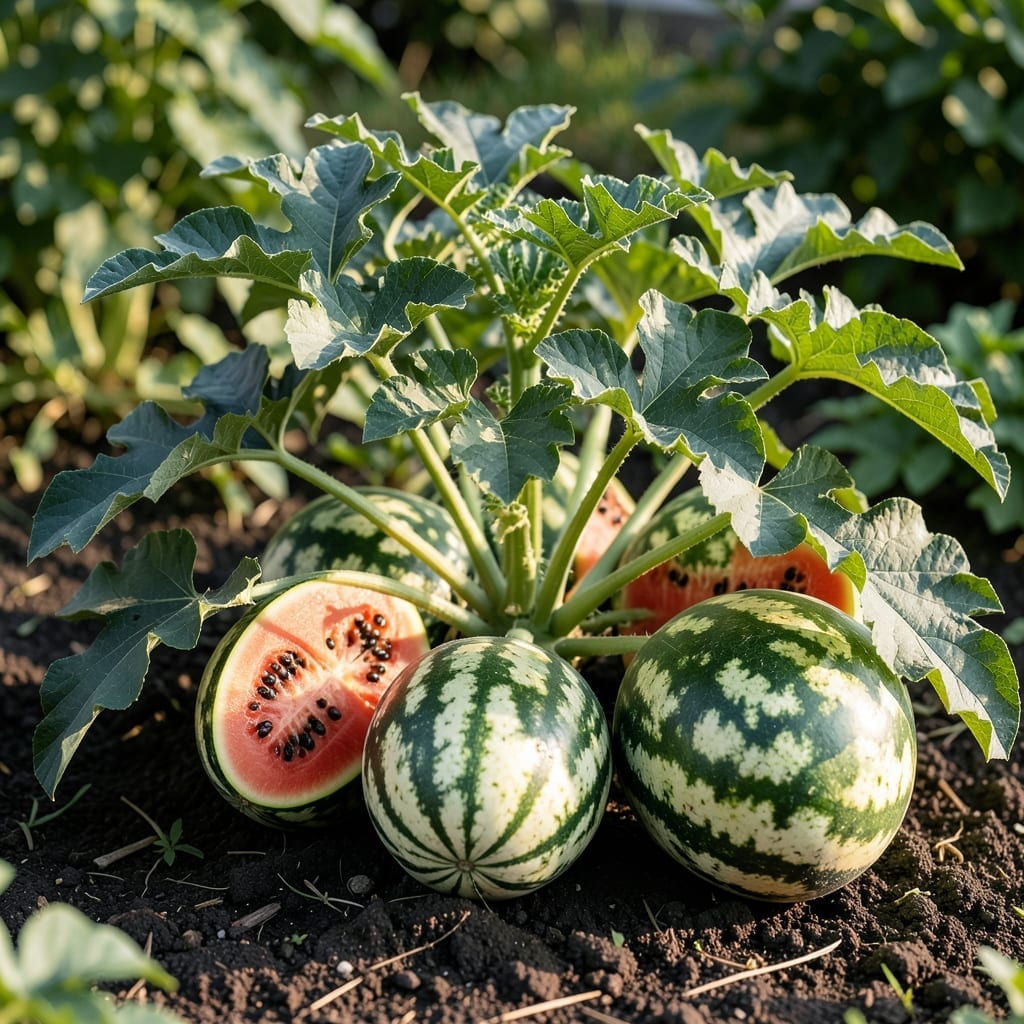
Timing is everything when growing Watermelon—plant too early and frost kills your vines, too late and you’ll miss the sweetest harvest. I learned this the hard way by jumping the gun one spring.
Getting the timing right means the difference between juicy success and bitter disappointment. Whether you’re in zone 6a or a warmer climate, knowing your window is the key to a bountiful crop.
I’ll walk you through the ideal planting and harvesting periods for Watermelon, so you can avoid the mistakes that ruined my first few attempts. It’s simpler than you might think.
By the end, you’ll know exactly when to start and what signs to watch for. Let’s make this your most productive Watermelon season yet.
Timing your watermelon planting right means the difference between a bountiful harvest and disappointment. As a warm-season crop, watermelons thrive in heat and can’t tolerate frost. I always wait until soil temps hit 70°F before planting.☀️
Your USDA hardiness zone dictates the ideal window. In zones 3-5, start seeds indoors 2-4 weeks before the last frost. For zones 6-8, direct sowing works after all frost danger passes. In zones 9-11, you can plant earlier and even get a second crop in fall.🌱
| USDA Zone | Planting Time | Harvest Window |
|---|---|---|
| 3-5 | Start indoors April, transplant May | August-September |
| 6-8 | April-May direct sow | July-September |
| 9-11 | March-April and August | June-July and October-November |
In cool climates, use black plastic mulch to warm the soil faster. I’ve found this can give you a 2-week head start in spring. Remember that watermelons need 80-100 frost-free days to mature properly.⏰
For container gardening, choose bush varieties like ‘Sugar Baby’ or ‘Bush Champion’. These compact plants do well in 5-gallon containers and still produce full-sized melons. Just ensure your pot has good drainage.🪴
The ideal soil pH for watermelons is between 6.0 and 6.8. I recommend testing your soil and amending with compost or aged manure before planting. This improves both nutrient content and drainage.🌿
Watermelons are heavy feeders, so I work in a balanced fertilizer (10-10-10) at planting. Then, I side-dress with nitrogen-rich fertilizer when vines start running. This encourages strong vine growth before fruiting begins.
In hot climates, afternoon shade can prevent sunscald on fruits. I’ve used shade cloth during peak heat waves with good success. Just
Watch for first true leaves to appear about 7-10 days after germination. This is when I start my regular watering schedule—1-2 inches per week, more during fruit set. Reduce water as harvest nears to concentrate sugars.
For the sweetest melons, I’ve learned that consistent moisture is key during growth, but dry conditions just before harvest improve flavor. This balance takes practice but makes all the difference in your homegrown watermelons.💧
Growing watermelons is a rewarding process when you follow the natural timeline. From planting to harvest, each stage plays a critical role in ensuring sweet, juicy fruit. I’ll break down the key milestones so you know what to expect.
The germination stage takes about 4-7 days with warm soil. Once sprouted, vines grow rapidly, and flowers appear in about 4-6 weeks. This is when the real magic begins.
After flowering begins, pollination is essential. Bees and other pollinators help transfer pollen between male and female flowers. Without this, fruit won’t develop properly.
As the fruit grows, ensure consistent watering and nutrient supply. I recommend using a balanced fertilizer every 4-6 weeks to support healthy vine and fruit development.
Finally, watch for harvest signs like a dull rind and a dry tendril near the stem. These indicate your watermelon is ripe and ready to pick. With patience and care, you’ll enjoy a bountiful harvest 🌱