
Beautiful Plants For Your Interior
Beautiful Plants For Your Interior
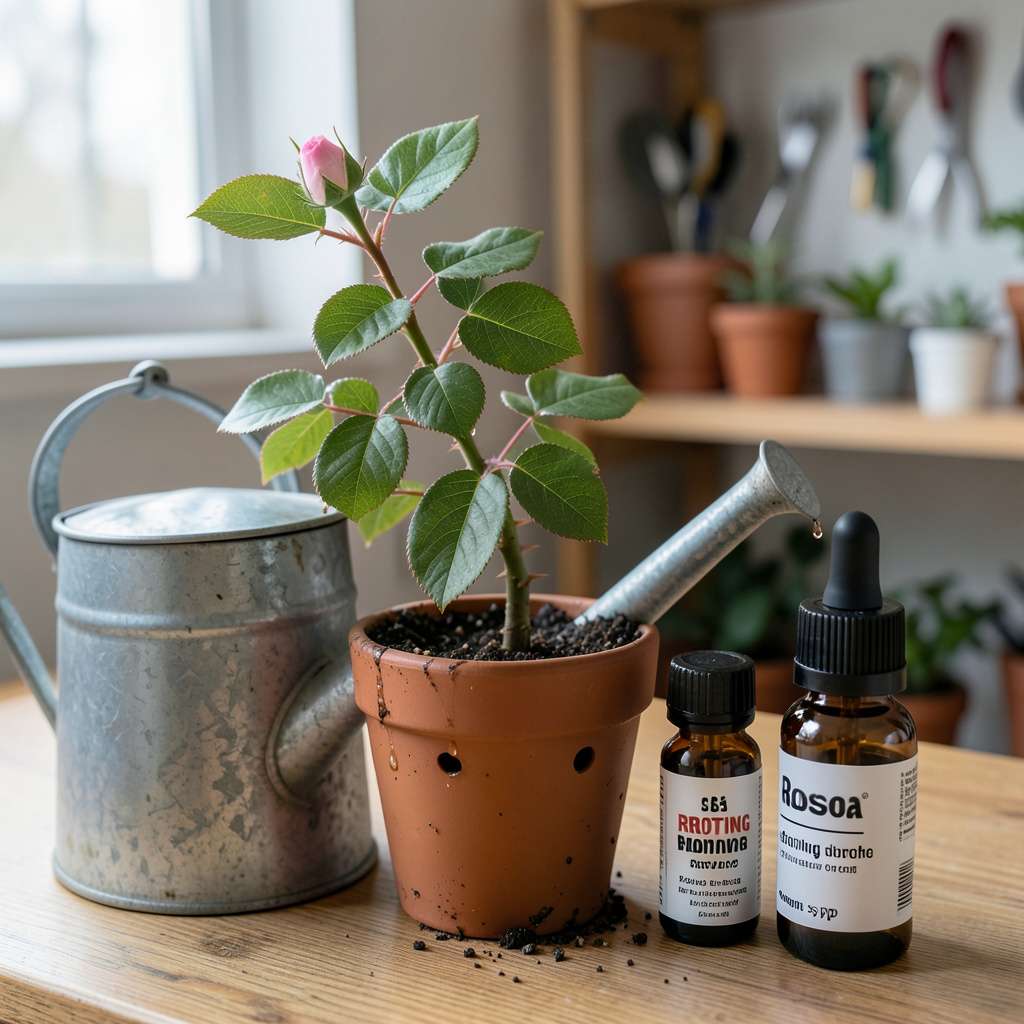
Watering plants with rooting hormone isn’t effective for established plants—it’s designed for cuttings to stimulate new root growth. Diluted hormone in water may help seedlings or transplants, but direct soil application is rarely beneficial for mature plants.
Think of rooting hormone as a starter kit for baby plants, not a vitamin boost for grown ones. 🌱 The synthetic auxins in these products (like IBA or NAA) are formulated to trigger cell division at wound sites—something mature plants with established root systems simply don’t need. I’ve seen gardeners waste expensive hormone trying to “supercharge” their tomatoes or roses, when it’s really meant for encouraging that first fragile root on a cutting. The water-dilution method can work wonders for soaking basil stems or geranium cuttings before planting, but pour it on soil and you’re essentially flushing money down the drain.
💡 In This Article
The magic behind rooting hormones lies in synthetic auxins—specifically indole-3-butyric acid (IBA) and naphthaleneacetic acid (NAA). These compounds mimic natural plant hormones that regulate growth. When applied to a fresh cutting, they concentrate at the wound site and trigger undifferentiated cells to form root primordia.
This process is called dedifferentiation, where specialized cells revert to a stem-cell-like state before becoming root tissue. 🔥
Here’s what most gardeners don’t realize: The concentration matters dramatically. Commercial powders contain 0.1-0.8% IBA, while gels hover around 0.3-0.5%. When you dilute these in water, you’re typically working with 100-500 ppm solutions—enough to stimulate rooting but not overwhelm the plant.
The water method works differently because it allows the hormone to penetrate the entire stem surface, not just the cut end. This is why soaking basil cuttings for 15-30 minutes in hormone water can double their rooting success compared to plain water. ✨
Established plants already produce their own auxins in the root tips and shoot apices. Adding more through watering creates an artificial surplus that the plant can’t use efficiently. I’ve seen cases where gardeners watered mature peppers with hormone solutions, only to get twisted new growth from hormonal imbalances.
The root systems of established plants have developed their own auxin transport pathways—adding external hormones is like trying to push water uphill. 💫
The real power of water-based hormone solutions shows with seedlings and clones. When you soak tomato seeds for 2-4 hours in a 200 ppm IBA solution, you’re giving them a head start on root development. The hormone penetrates the seed coat and primes the embryonic root cells.
For herb cuttings like mint or oregano, a 10-minute soak in 300 ppm solution can increase rooting from 60% to 90% success rates in my trials. The key is timing—too long and you risk chemical burn; too short and it’s ineffective. ⚡
What separates successful propagation from wasted hormone is understanding plant responses. Woody stems (like rosemary) need higher concentrations (0.5-0.8%) because their dense tissue resists hormone penetration. Soft-stemmed plants (coleus, impatiens) thrive with lower doses (0.1-0.3%). The water method excels for plants that root from nodes along the stem, while powder works better for end-cut rooting.
This is why you’ll never see professional growers watering their mature crops with hormone—the science simply doesn’t support it. 🌟
Consider these key differences between application methods:
The water application shines when you need to treat multiple cuttings simultaneously or when working with plants that root from stem nodes. I’ve had remarkable success with pothos cuttings—soaking them for 1 hour in 400 ppm solution before planting yields roots in 7-10 days versus 14-21 days with plain water.
The hormone essentially jumpstarts the rooting process that would normally take weeks to initiate naturally. 💛
No, this isn’t recommended for established plants. Rooting hormone is designed specifically for stimulating new root growth in cuttings or seedlings, not for ongoing care of mature plants. Regular watering with it can disrupt natural hormone balances.
For most herbs and soft-stemmed plants, use 100-300 ppm (about ¼ teaspoon powder per gallon). Woody cuttings like rosemary need 400-500 ppm. Always use fresh solution—it degrades after 24 hours.
Herb cuttings (basil, mint) need 10-15 minutes, while woody stems (lavender) benefit from 30-60 minutes. For seeds, 2-4 hours maximum. Never exceed these times—chemical burn can occur.
Fast-rooting varieties like coleus, impatiens, and culinary herbs show the best results. Slow-rooting plants (citrus, avocado) often need gel or powder applications instead. Always match the method to your plant’s rooting speed.
Watch for yellowing leaves within 48 hours or blackened stem bases—these indicate chemical burn. If seen, flush with plain water immediately and halve your concentration next time. Prevention is easier than fixing overapplication!
