
Beautiful Plants For Your Interior
Beautiful Plants For Your Interior
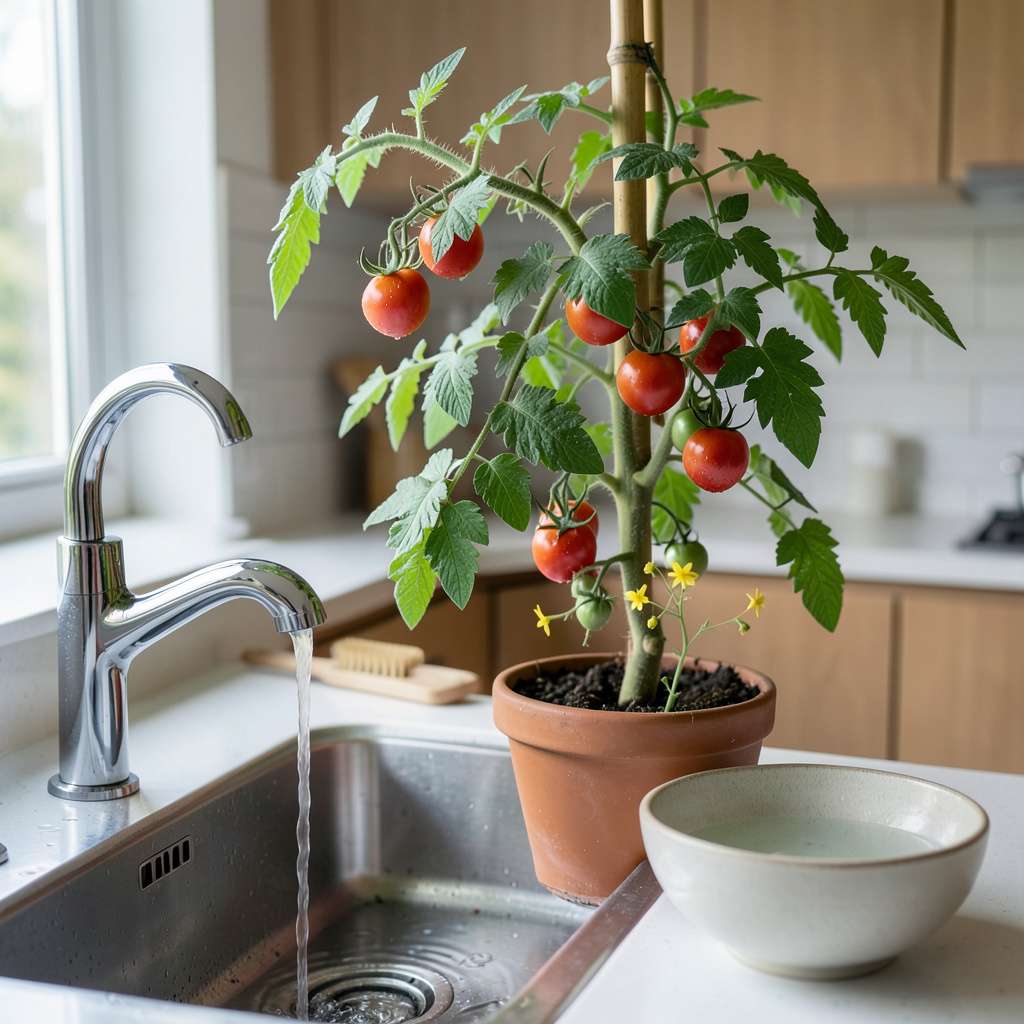
Use warm water and a soft brush to scrub vegetables, then rinse thoroughly. A mild soap or vinegar solution can help remove stubborn neem oil residue without damaging produce.
Cleaning produce effectively is essential, especially when dealing with substances like neem oil. 🌱 This oil can adhere tightly to the surfaces of vegetables due to its unique chemical properties, which means that simple rinsing with water may not suffice. I often find that using a soft brush along with a soap or vinegar mixture enhances the cleaning process, ensuring all residues are removed while keeping the vegetables intact.
Additionally, the temperature of the water plays a role in loosening the oil’s grip on the produce. Warm water helps break down the oil better than cold, which is why I always recommend using it when washing my garden harvest. 🌿
💡 In This Article
The reason neem oil clings stubbornly to vegetable surfaces lies in its chemical structure. Neem oil contains both polar and non-polar components, allowing it to adhere effectively to various surfaces.
The non-polar molecules bond with the oils on the vegetable skin while the polar components interact with water, creating a complex scenario that makes simple rinsing inadequate. 🔍
When you wash vegetables, regular water cannot penetrate the oily layer created by neem oil effectively. This is because oil and water do not mix; thus, without additional cleaning agents, residues may remain.
This presents a potential risk, as neem oil is typically used as a pesticide and can carry harmful residues that should be removed before consumption. 🍽️
To effectively break down neem oil, I often recommend using warm water combined with a soft brush. The heat of the water helps to emulsify the oil, making it easier to lift away from the vegetable surface.
A temperature around 100°F works well, as it’s warm enough to assist in breaking down the oil without cooking the vegetable. 🌡️
In addition to temperature, using a mild soap or a vinegar solution can enhance cleaning efficiency. Vinegar’s acidity helps to break down oily residues while acting as a natural disinfectant. Mix 1 part vinegar with 3 parts water for a simple yet effective cleaning solution.
This combination not only helps lift the oil but also ensures your vegetables are safe for consumption. 🥗
After scrubbing with the solution, rinsing thoroughly under warm running water is essential. This final rinse helps remove any lingering soap or vinegar taste while ensuring all neem oil residue is washed away. I usually let my vegetables air dry on a clean towel or drying rack after rinsing to maintain their freshness and texture.
🌿
It’s crucial to ensure that these cleaning methods are employed consistently, especially if you’re growing your own vegetables or purchasing from local sources that may use neem oil as a pest deterrent. By prioritizing thorough washing, you can enjoy your harvest safely and deliciously! 🌟
