
Beautiful Plants For Your Interior
Beautiful Plants For Your Interior
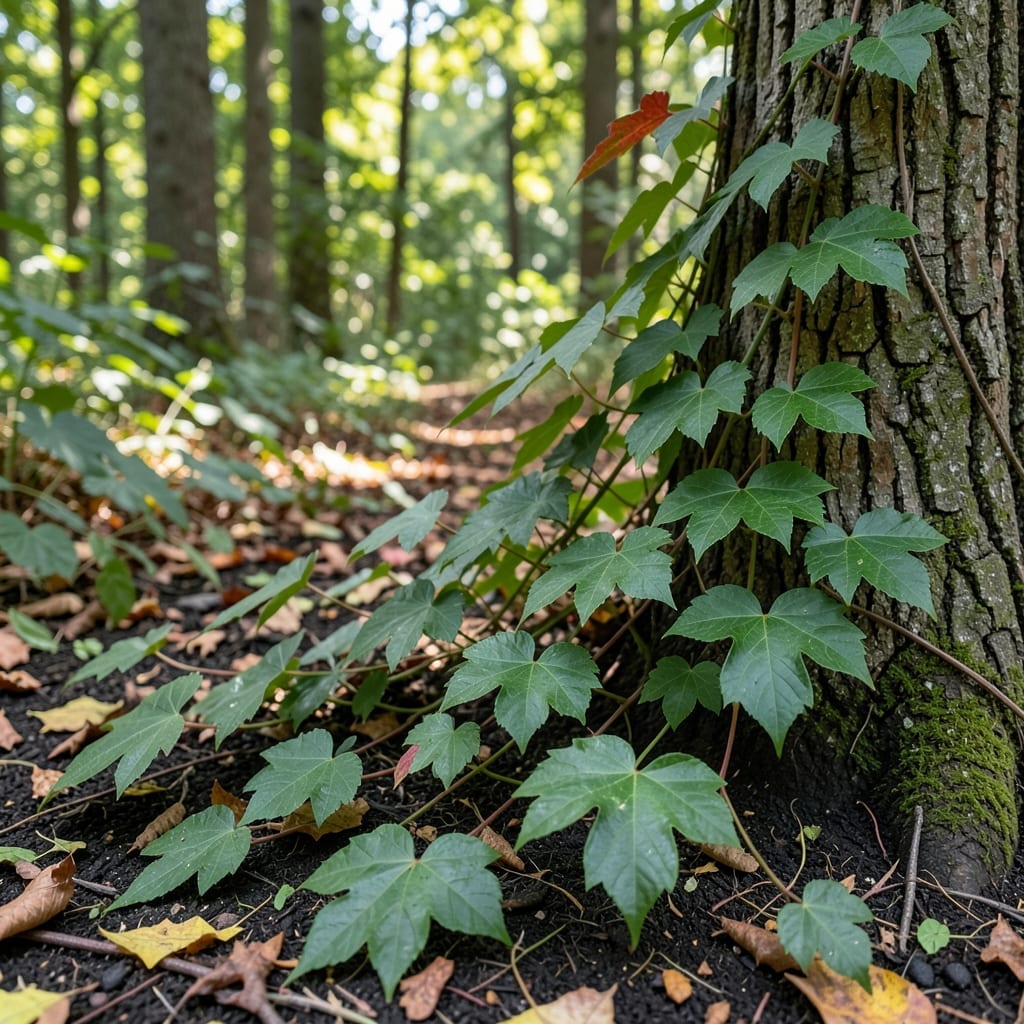
Your lawn was lush and green—until Virginia Creeper 🍃 started creeping in, tangling its vines across the grass and stealing sunlight from your turf. It’s a common frustration, but one you can tackle without harsh chemicals.
This aggressive vine thrives in zones 4-9 and spreads fast if left unchecked. The good news? Natural solutions exist to reclaim your yard safely and effectively.
I’ve tested multiple approaches, and the most effective ones don’t require a degree in horticulture. Simple, hands-on methods can make a real difference.
Let’s discover how to evict this invader and restore your lawn’s health—naturally.
I’ve seen Virginia creeper turn a pristine lawn into a vine-choked mess in just one season. This fast-growing perennial vine thrives in partial shade and spreads aggressively through both seeds and roots. It’s a survivor.
What makes it so invasive? The plant’s extensive root system and aerial rootlets let it climb and spread rapidly, often outcompeting grass for sunlight, water, and nutrients. Left unchecked, it can smother entire lawn areas in months.
| Factor | How It Helps Spread |
|---|---|
| Root System | Deep and far-reaching |
| Seed Dispersal | Birds spread berries far |
| Growth Rate | 10-20 feet per year |
| Light Needs | Tolerates shade well |
| Soil Adaptability | Grows in most soil types |
The ecological impact of Virginia creeper isn’t just unsightly—it can displace native plants and reduce biodiversity. Its dense growth blocks sunlight from grass, leading to thin, weak turf that’s more susceptible to weeds.
I’ve found that early intervention is key. The longer you wait, the harder it becomes to remove established vines. Even small patches can reproduce quickly through underground runners.
Another major factor is human activity. Mowing equipment can spread vine fragments to new areas, and disturbed soil gives seeds the perfect germination opportunity. Always clean your tools after working in infested areas.
This vine’s adaptability to urban environments makes it particularly troublesome. It climbs fences, trees, and buildings with equal ease, often going unnoticed until it’s completely taken over a section of your yard.
I recommend regular lawn inspections, especially in shady corners where Virginia creeper loves to establish itself. Catching it early means less work later when removal becomes necessary.
The plant’s fall color display might be beautiful, but don’t let that fool you. Those same vibrant leaves are part of what makes it such a successful invader in residential landscapes.
Understanding its growth patterns helps in control. Virginia creeper is deciduous, so winter is actually an ideal time to spot and remove leafless vines before spring growth begins. 🌿
I’ve tested several natural removal methods for Virginia creeper in lawns, and the best ones are surprisingly simple. These chemical-free techniques target the vine without harming your grass or the environment.
From manual pulling to household solutions, each method has its strengths. The key is consistency and thoroughness to prevent regrowth from lingering roots.
For hand pulling, I recommend using a garden fork to leverage deep roots. This works best when the soil is moist, making roots easier to extract.
The smothering method requires patience. A 4-6 inch layer of mulch or cardboard blocks sunlight, gradually killing the vine. This can take several weeks but is very effective.
A vinegar solution with 20% acetic acid works as a natural herbicide. Spray it on sunny days for maximum absorption, but avoid contacting desired plants as it’s non-selective.
For stubborn vines, boiling water can scald roots. This is best for small, isolated patches where you can precisely target the base. Be cautious with this method near other vegetation.
✂️