
Beautiful Plants For Your Interior
Beautiful Plants For Your Interior
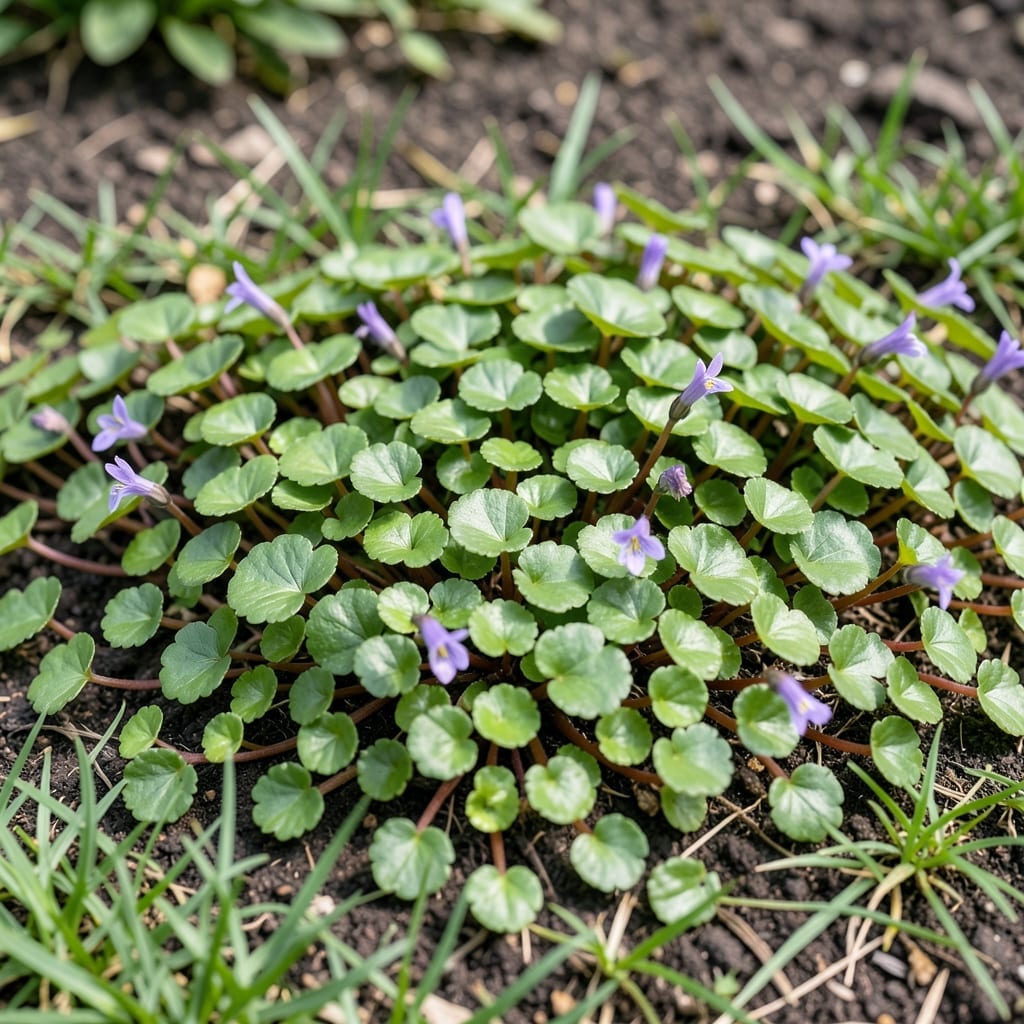
That creeping vine in your lawn isn’t just unsightly—it’s stealing nutrients and space from your grass. I’ve battled this exact invader in my own yard, and the key is catching it early before it spreads like wildfire.
Most vine-like weeds thrive in thin or weak turf, so improving your lawn’s health is your first line of defense. A dense, well-fed lawn naturally chokes out these opportunists. Still, when they appear, you’ll need a targeted approach to remove them without harming the surrounding grass.
Hand-pulling works for small patches, but for larger infestations, a selective herbicide or natural vinegar solution can do the trick. Just be sure to apply it carefully—timing and precision are everything.
Prevention is simpler than you think: regular mowing, proper watering, and a spring fertilizer routine keep your grass strong and resistant. Here’s how to reclaim your lawn for good.
Vine-like weeds in your lawn often appear due to a few specific conditions. Understanding these causes can help you prevent and manage them effectively.
Many vine-like weeds, such as creeping charlie or bindweed, produce seeds that are easily dispersed by wind, birds, or small mammals. Once these seeds land in your grass, they can quickly germinate, especially in thin or patchy areas where soil is exposed.
Excess moisture in your lawn creates an ideal environment for vine weeds to thrive. Overwatering or compacted soil with poor drainage can lead to waterlogged conditions, which many aggressive vines love. These weeds often outcompete grass in wet, poorly aerated soil.
Thin or weak grass provides open space for vine weeds to take root. Bare spots from foot traffic, disease, or improper mowing allow sunlight to reach the soil, encouraging weed seeds to sprout. A dense, healthy lawn is your best defense against invasive vines.
Imbalanced soil—whether too acidic, alkaline, or nutrient-poor—can stress your grass, giving vine weeds a competitive edge. For example, clover and creeping buttercup often invade lawns with low nitrogen levels, as they can fix their own nitrogen from the air.
Tackling vine-like weeds in your lawn starts with identifying the culprit—common invaders include creeping Charlie, clover, or wild violets. Once confirmed, choose a targeted approach to eradicate them without harming your grass.
For isolated patches, hand-pulling works best, especially after rain when the soil is soft. Use a weeding tool to extract roots entirely, preventing regrowth. Pro tip: 💡 Wear gloves to avoid skin irritation from sap or thorns.
For larger areas, smothering is effective. Lay thick cardboard or newspaper over the weeds, then cover with 3–4 inches of mulch. This blocks sunlight, killing the weeds in 4–6 weeks. Bonus: ✨ This method also enriches the soil as the materials decompose.
If weeds persist, use a selective herbicide labeled for broadleaf weeds (e.g., 2,4-D). Apply on a calm day to avoid drift, and follow the label’s instructions. Caution: 🎯 Avoid non-selective herbicides like glyphosate, as they’ll kill your grass too.
Consistency is key—combine methods for best results and monitor your lawn regularly to catch new growth early.
Look for distinct leaf shapes and growth patterns. Creeping Charlie has round, scalloped leaves, while bindweed has arrowhead-shaped leaves and twining stems. Take photos and compare them with online weed databases or consult a local nursery.
Vinegar can kill young vine weeds, but it may also damage surrounding grass. Apply directly to weed leaves using a spray bottle on a calm day. For best results, use horticultural vinegar with 20% acetic acid and reapply as needed.
Early spring or fall is ideal, as weeds are actively growing and grass is strong. Avoid treating during extreme heat or drought, as this can stress your lawn. Target young weeds before they flower and set seeds.
Yes! Maintain a thick, healthy lawn by mowing high, overseeding bare spots, and fertilizing properly. Corn gluten meal can also act as a natural pre-emergent to stop weed seeds from sprouting.