
Beautiful Plants For Your Interior
Beautiful Plants For Your Interior
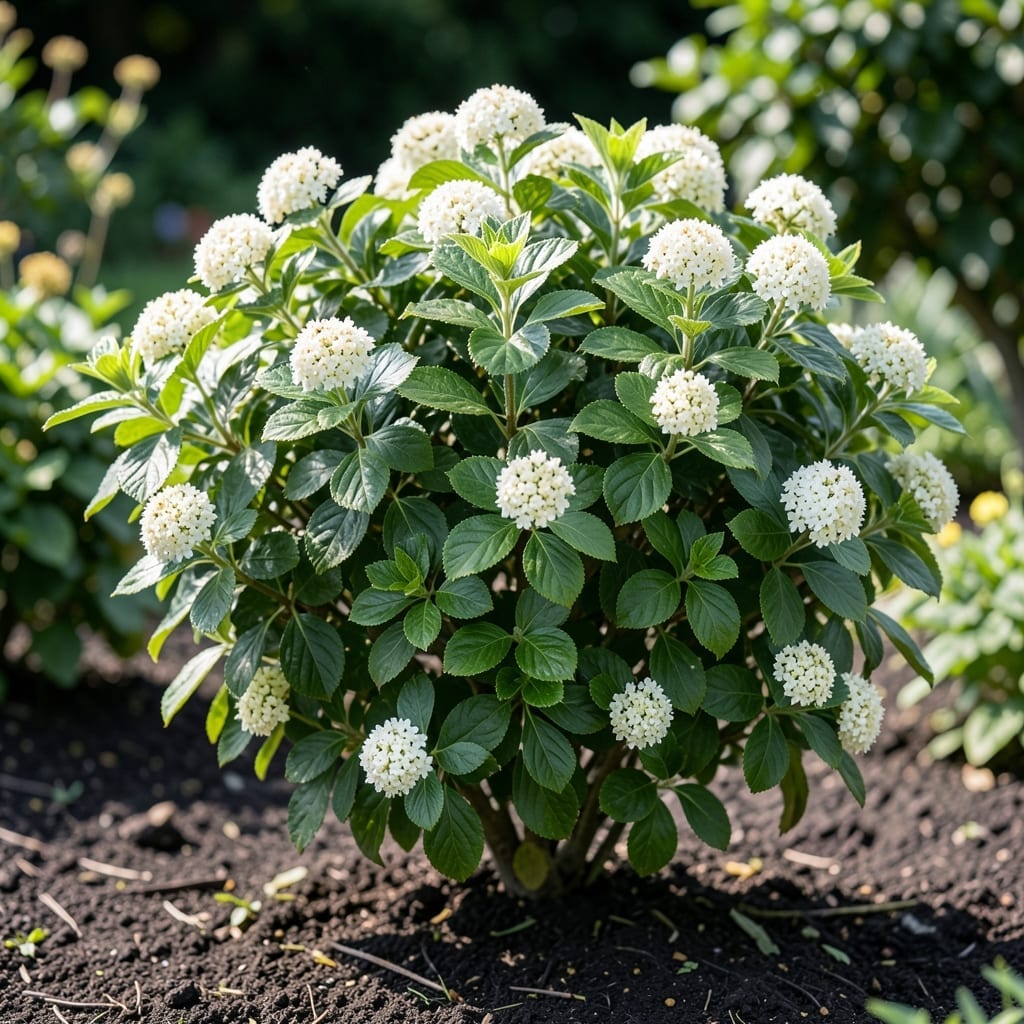
Timing your viburnum’s spectacular blooms can mean the difference between a lackluster season and a garden bursting with color and fragrance.
I remember planting my first 🌿 Viburnum and waiting eagerly for those first blossoms. Getting the timing right transformed my garden from ordinary to extraordinary.
Understanding when different viburnum varieties flower is the key to creating a year-round display. Whether you’re in zone 6 or elsewhere, this knowledge changes everything.
Discover how to align your planting and care with nature’s calendar. Let me show you exactly how to make your viburnum thrive with perfect timing.
I love how viburnum shrubs can transform a garden with their fragrant blooms at different times of year. Each viburnum variety has its own unique flowering schedule, making them perfect for extended seasonal interest.
From the early spring bloomers like Viburnum bodnantense to the summer-flowering Viburnum plicatum, timing varies significantly. Climate and USDA hardiness zones also play a major role in when you’ll see those beautiful clusters. 🌿
In my experience, Viburnum carlesii is a spring favorite that bursts with pink buds turning to white flowers in zones 4-8. It’s one of the first to signal that warmer weather is on the way.
The Viburnum opulus, also known as European cranberrybush, typically blooms a bit later, from May to June. This one thrives in cooler climates and offers stunning lacecap flowers.
For gardeners in warmer regions, Viburnum tinus is a gem. It flowers during winter to early spring, providing much-needed color when most plants are dormant. I’ve seen it brighten up gardens in zones 7-10 beautifully. 🌸
Viburnum plicatum, or the doublefile viburnum, is another spring to early summer bloomer. Its horizontal branches covered in white lacecap blooms create a stunning display in zones 5-8.
Then there’s Viburnum bodnantense, the winter bloomer. This variety is unique because it flowers from November through March in zones 6-8, offering fragrance and color during the colder months.
Regional climate impacts these timings. In milder winters, blooms may appear earlier, while harsh winters can delay flowering. I always recommend checking your local frost dates for the most accurate predictions.
To maximize your viburnum’s bloom time, ensure it’s planted in well-draining soil with partial to full sun. Proper pruning after flowering also encourages more blooms next season. ✂️
I love how viburnum shrubs can transform a garden with their fragrant blooms and seasonal colors. With some planning, you can enjoy their beauty from early spring well into late summer. Staggered planting of different varieties is my top strategy. 🌿
For the longest display, I combine early bloomers like Viburnum bodnantense with mid-season types such as Viburnum carlesii and late bloomers like Viburnum plicatum. This creates a continuous flower show that keeps my garden vibrant. 🌸
I’ve found that proper pruning is essential for maximizing blooms. Always prune immediately after flowering to avoid cutting off next year’s buds. This simple step keeps my viburnums healthy and productive year after year. ✂️
Another trick I use is layering plants by height. I place taller viburnums at the back of borders and dwarf varieties up front. This creates visual depth while ensuring every bloom is visible and enjoyed. 🌳
Don’t forget about soil health. I amend my planting areas with compost each spring. This provides the nutrients viburnums need for abundant blooms and vibrant foliage throughout the growing season. 🌱
Finally, I monitor for pests and diseases that can stress the plants. Healthy viburnums are more likely to produce strong blooms year after year. A little preventative care goes a long way in my garden. 💧