
Beautiful Plants For Your Interior
Beautiful Plants For Your Interior
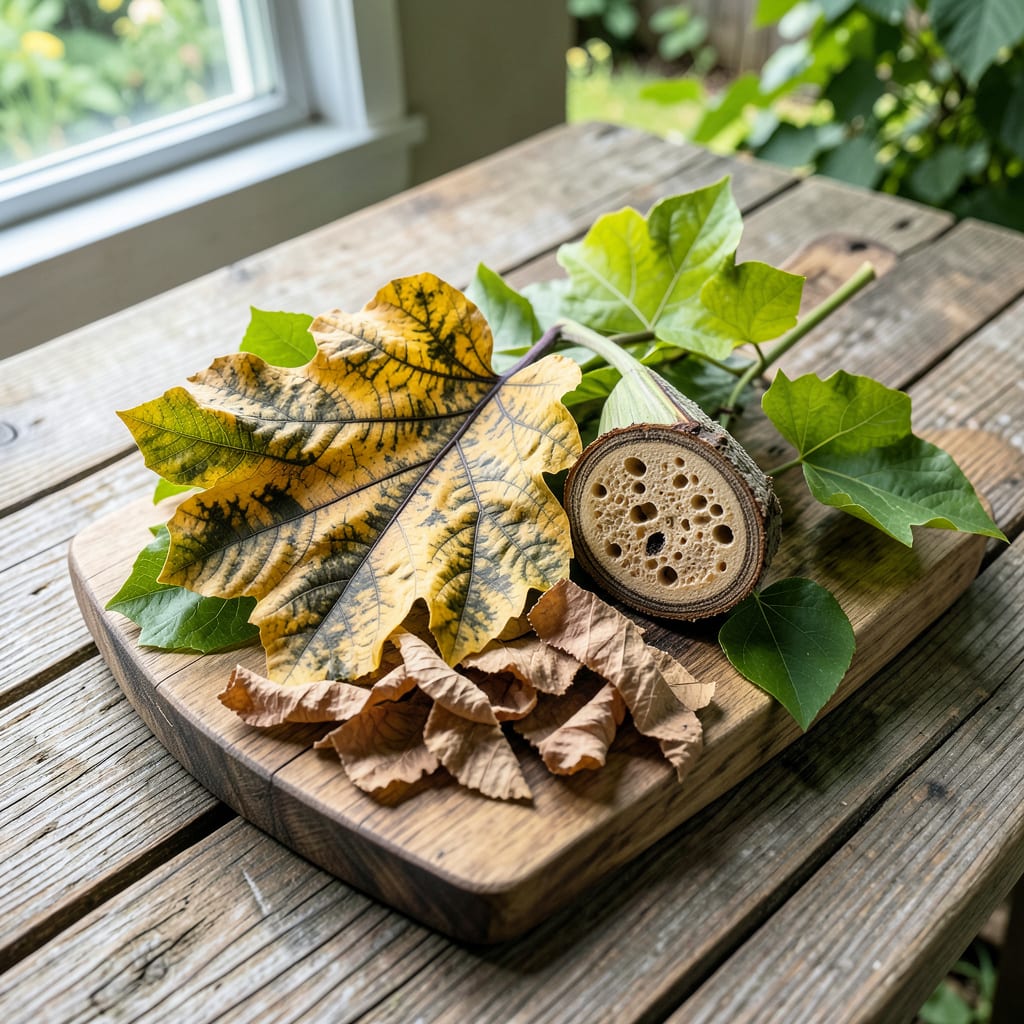
I noticed the first signs on my tulip poplar last spring—yellowing leaves, wilted branches, and stunted growth that didn’t match the season.
Verticillium wilt sneaks up, often through soil or infected plants, and it’s tough to diagnose early. By the time symptoms appear, the fungus may have already spread through the tree’s vascular system.
Organic control starts with quick action: remove affected branches, improve drainage, and boost soil health to help the tree fight back. Prevention is even simpler—use resistant varieties and keep tools clean.
It’s frustrating, but manageable with the right approach. Here’s what I learned to save my poplar and protect the rest of the garden.
Verticillium wilt in tulip poplars is a destructive fungal disease caused by soilborne pathogens. Understanding the root causes helps prevent and manage its spread.
The primary culprits are Verticillium dahliae and Verticillium albo-atrum, fungi that thrive in soil. These pathogens enter the tree through the roots, often exploiting injuries or natural openings. Once inside, they colonize the xylem, disrupting water and nutrient transport, which leads to wilting and dieback.
Stress conditions like drought, extreme heat, or poor soil drainage weaken tulip poplars, making them more susceptible to infection. Compacted or waterlogged soils reduce root health, creating entry points for the fungus. Trees in urban environments often face these stressors due to limited root space and competition with infrastructure.
The fungus spreads through contaminated pruning tools, infected plant debris, or even nursery stock. Moving soil or equipment from infected areas to healthy ones can introduce the pathogen. Sanitizing tools and removing diseased plant material are critical to breaking the cycle.
Tulip poplars (Liriodendron tulipifera) are particularly vulnerable to Verticillium wilt due to their genetic susceptibility. While some trees may resist initial infection, prolonged exposure or repeated stress can overcome their defenses. Younger trees and those already weakened by pests or other diseases are at higher risk.
Verticillium wilt can be tough on tulip poplars, but these targeted solutions help restore tree health and prevent future outbreaks. Address each issue at its root for the best results.
Prune away all wilted, discolored, or dead branches immediately—this stops the fungus from spreading. Sterilize pruning tools with rubbing alcohol between cuts to avoid contamination. Burn or dispose of infected wood far from healthy plants. Never compost it.
Verticillium thrives in stressed, compacted soil. Boost your tulip poplar’s defenses by amending the soil with compost or well-rotted manure to improve drainage and microbial activity. Avoid overwatering, as soggy roots invite fungal growth. A 2–3 inch layer of mulch (kept away from the trunk) retains moisture without suffocating the soil.
While no fungicide completely eradicates verticillium, copper-based or biological fungicides (like Trichoderma) can suppress the pathogen. Apply to the soil around the root zone in early spring or fall. Follow label instructions carefully—overuse can harm beneficial soil organisms.
🎯 Pro tip: Inspect your tulip poplar regularly for early signs of wilt—catching it fast makes treatment far more effective!
Early symptoms include yellowing leaves, wilting branches, and stunted growth that appears suddenly. These often start in one section of the tree before spreading. Check for discolored streaks in the wood under the bark.
Mild cases may stabilize with improved growing conditions, but severe infections often require intervention. Even recovered trees can harbor the fungus and show symptoms later. Prevention is easier than cure.
Remove and destroy all infected wood immediately. Sanitize pruning tools with rubbing alcohol between cuts. Avoid moving soil from affected areas, and plant resistant species nearby.
No tulip poplar is completely resistant, but some show better tolerance. Focus on improving soil health and reducing stress to help trees resist infection. Healthy trees fight better.
