
Beautiful Plants For Your Interior
Beautiful Plants For Your Interior
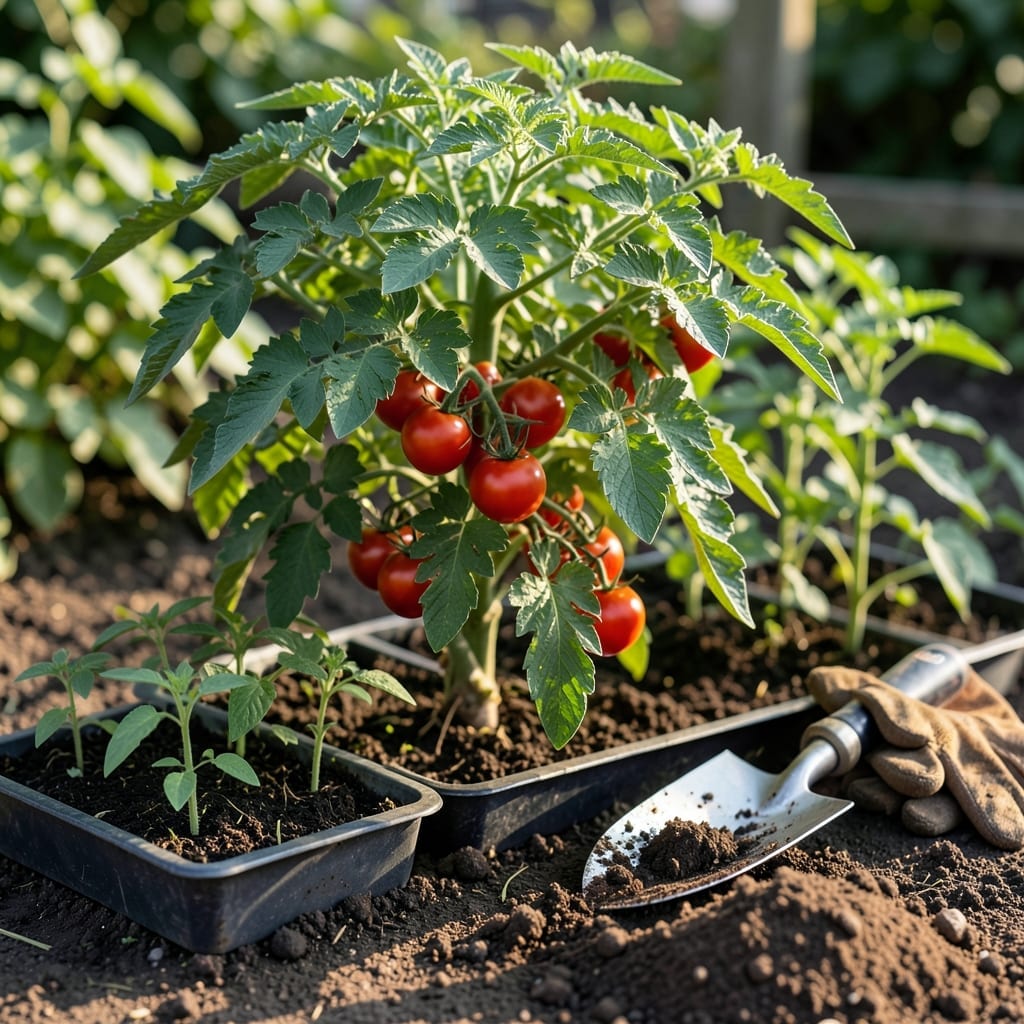
Florida’s unique climate offers year-round gardening opportunities you won’t find elsewhere. Unlike colder states, we can grow crops in fall, winter, and even summer with the right timing.
I’ve learned that knowing exactly when to plant each 🥕 Vegetable Garden is the key to a thriving harvest. The state’s diverse zones (8a-10b) mean what works in North Florida might differ in the South.
Whether you’re a beginner or seasoned gardener, timing your planting right can make all the difference. From frost dates to heat-tolerant varieties, there’s a science to getting it just right.
Discover how to align your planting schedule with Florida’s seasons for maximum success. Let’s dig into the details that will transform your garden.
Florida’s diverse climate is divided into three distinct planting zones: North, Central, and South. Each has unique microclimates that affect what and when you can plant. Understanding these differences is crucial for a successful vegetable garden. 🌱
In North Florida, cooler winters allow for crops like kale and broccoli, while the South’s warmer winters support tomatoes and peppers year-round. Central Florida bridges these extremes, offering a mix of both. 🌿
| Zone | Best Fall Vegetables | Best Spring Vegetables |
| North Florida | Broccoli, Kale, Carrots | Tomatoes, Peppers, Cucumbers |
| Central Florida | Lettuce, Beets, Radishes | Beans, Squash, Corn |
| South Florida | Cabbage, Spinach, Turnips | Eggplant, Okra, Peanuts |
Fall is one of the best times to plant in Florida. The cooler temperatures reduce pest pressure and allow heat-sensitive crops to thrive. In North Florida, September to October is ideal for planting leafy greens and root vegetables. 🌱
For Central Florida, October to November works well for similar crops, but you can also start warm-season vegetables like bush beans and squash earlier than in the North. The mild winters here extend the growing season significantly.
In South Florida, fall planting can start as early as August. This region’s tropical climate means you can grow heat-tolerant varieties almost year-round, but fall and winter are the most comfortable seasons for many vegetables.
Spring planting in Florida varies by zone. In North Florida, March to April is prime time for warm-season crops like tomatoes and peppers. Central Florida can start these crops in February, while South Florida gardeners often begin in January.
Summer planting is tricky due to the intense heat and humidity. However, heat-tolerant varieties like okra, sweet potatoes, and Southern peas can thrive. Always use shade cloth for young seedlings to protect them from scorching sun. ☀️
Don’t forget about succession planting. In Florida, you can often plant a second or even third crop of quick-growing vegetables like radishes or bush beans within the same season. This maximizes your harvest and keeps your garden productive.
Soil preparation is key in Florida’s sandy soil. I always amend my garden beds with organic compost to improve water and nutrient retention. This is especially important for heavy feeders like tomatoes and peppers. 🪴
Finally, keep an eye on the frost dates. North Florida typically sees its last frost in mid-March, while Central and South Florida often have no frost at all. This allows for a longer growing season and more flexibility in planting times.
Timing is everything in Florida’s unique climate. I’ve found that following a month-by-month calendar helps me stay on track and avoid costly mistakes. Each month offers different opportunities depending on your region. 🌱
In January, North Florida gardeners can start cool-season crops like lettuce and spinach, while South Florida can begin warm-season vegetables such as tomatoes and peppers. Central Florida falls somewhere in between.
🌿 Month-by-Month Planting Highlights
June and July are the most challenging months due to intense heat and humidity. I focus on heat-tolerant varieties like Southern peas and okra, and always use shade cloth to protect young plants. ☀️
For succession planting, I plant quick-growing crops like radishes and bush beans every 2-3 weeks. This ensures a continuous harvest and keeps my garden productive throughout the season.
Remember, Florida’s sandy soil drains quickly, so I always mulch heavily to retain moisture. This is especially important during the dry winter months when rainfall is scarce. 💧
Finally, always check your local frost dates. Even in South Florida, a rare cold snap can damage tender plants. I keep frost blankets on hand just in case, especially for my warm-season crops planted in early spring. 🌿