
Beautiful Plants For Your Interior
Beautiful Plants For Your Interior
Mealybugs on your hoya’s waxy leaves can turn a thriving plant into a sticky, struggling mess overnight. I’ve battled these pests across my collection, and neem oil became my go-to solution—not just for eradication, but for preventing future outbreaks while giving leaves that healthy, natural shine. The trick isn’t just spraying and hoping. After ruining […]
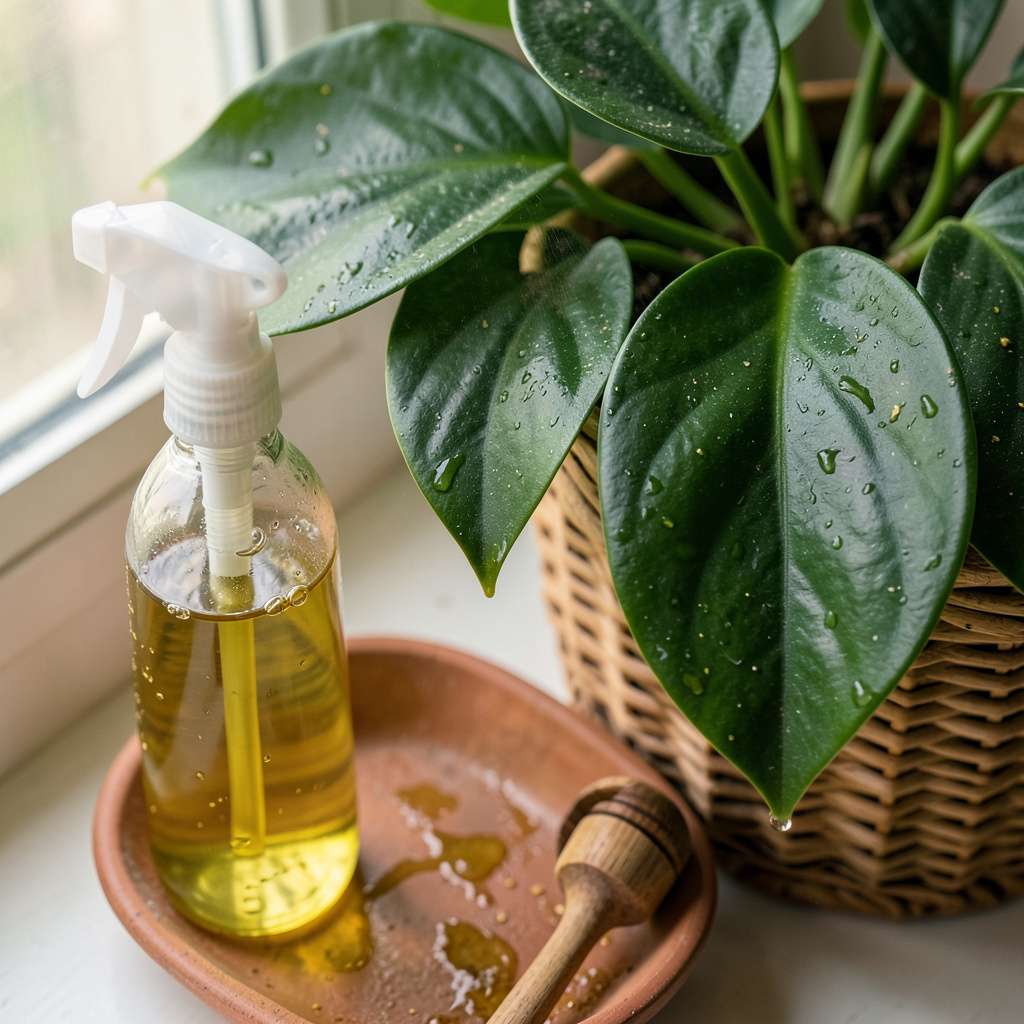
Mealybugs on your hoya’s waxy leaves can turn a thriving plant into a sticky, struggling mess overnight. I’ve battled these pests across my collection, and neem oil became my go-to solution—not just for eradication, but for preventing future outbreaks while giving leaves that healthy, natural shine.
The trick isn’t just spraying and hoping. After ruining a few plants with undiluted oil (lesson learned), I landed on the perfect 1:100 ratio that protects without burning. Applied every 7-10 days, it breaks the pest life cycle while conditioning foliage better than any commercial leaf shine product.
You’ll notice the difference within 48 hours: pests stop spreading, new growth emerges cleaner, and those signature hoya leaves develop a deep, glossy finish. The plant’s natural defenses strengthen over time, making it less appealing to future invaders.
Works equally well for kerrii, carnosa, or obovata varieties—just adjust your technique for fuzzy-leaved types. Here’s exactly how to mix, apply, and maintain the treatment without the common mistakes that backfire.
📚 In This Guide
This method protects your hoyas while enhancing their natural gloss—no harsh chemicals, just plant-powered care.
Use cold-pressed neem oil (100% pure, unrefined) for maximum effectiveness. I mix 1 teaspoon neem oil with 1/2 teaspoon mild liquid soap (as an emulsifier) in 1 quart of lukewarm water. The soap helps the oil disperse evenly in water—without it, the oil separates and won’t coat leaves properly.
Shake the mixture vigorously in a spray bottle until it forms a uniform, milky solution. Test-spray a small area of the bottle onto your wrist first; if it stings or irritates, your soap is too harsh. Neem oil breaks down quickly, so prepare only what you’ll use within 24 hours—fresh batches work best.
Spray the solution onto both sides of leaves and along stems until they glisten but don’t drip. Hoyas’ thick, waxy foliage repels water, so you’ll need to apply more pressure than with delicate plants. Work in sections, holding the bottle 6-8 inches from the plant to ensure even coverage without runoff.
Pay special attention to leaf axils (where leaves meet stems) and new growth—pests like mealybugs and spider mites hide there. If you spot white cottony clusters or fine webbing, saturate those areas completely. The oil smothers existing pests and disrupts their life cycle, preventing future infestations.
Apply neem oil in the early morning or late evening when temperatures are below 85°F. Direct sunlight combined with oil can burn leaves, leaving permanent brown patches. Hoyas are particularly sensitive to this, so I always treat them after sunset or before 8 AM.
Reapply every 7-14 days for prevention, or every 5-7 days if treating an active infestation. You’ll notice the leaves develop a deeper shine after 2-3 applications—the oil conditions the foliage while protecting it. Stop treatments 2-3 weeks before flowering to avoid affecting pollinators.
Check your hoya 24 hours after application for any signs of stress: yellowing, wilting, or crispy edges indicate sensitivity. If this occurs, rinse the leaves immediately with plain water and reduce the neem oil concentration by half next time. Most hoyas tolerate neem well, but varieties with thin leaves (like Hoya lacunosa) may need dilution.
Between treatments, wipe leaves gently with a damp cloth to remove dust and old oil residue. This maintains the plant’s ability to photosynthesize efficiently. Over time, you’ll see not just pest control but stronger growth—neem oil contains compounds that act as a mild foliar fertilizer, encouraging lush, vibrant foliage.
After years of experimenting with hoyas, I’ve learned these practical insights that make all the difference in pest control and leaf health.
Solution Preparation: The 24-hour window for using your neem oil mixture is non-negotiable. I learned this the hard way when I tried storing a batch for 48 hours – the oil separated completely and lost effectiveness. Always prepare fresh batches, and remember that lukewarm water helps the oil emulsify better than cold or hot water. The milky appearance is your visual cue that the mixture is properly combined.
Application Technique: When spraying in Step 2, the 6-8 inch distance from the plant is crucial. Any closer and you risk oversaturating the leaves, which can lead to fungal issues. I’ve found that working in small sections and using a sweeping motion ensures complete coverage without runoff. Pay particular attention to the undersides of leaves where pests often congregate – this is where most people miss during application.
Timing Strategy: The temperature threshold of 85°F isn’t arbitrary. I’ve seen hoyas develop unsightly brown spots when treated during midday heat, even in partially shaded areas. Early morning applications work best as the cooler temperatures and morning dew help the solution adhere better to the waxy leaves. For active infestations, sticking to the 5-7 day reapplication schedule is vital to break the pest life cycle.
Post-Application Care: That 24-hour monitoring period after treatment is your best opportunity to catch sensitivity issues early. I always set a phone reminder to check my hoyas exactly one day after application. If you notice any leaf curling or discoloration, a quick rinse with plain water can prevent permanent damage. Between treatments, a simple wipe with a damp microfiber cloth removes dust and old residue without damaging the delicate leaf surfaces.
No! Neem oil can cause leaf burn if applied when your hoya is in direct sunlight. Always apply it in the early morning or late evening when the plant is shaded. This gives the oil time to absorb without risking damage from UV rays.
For active pest infestations, spray every 5–7 days until the problem clears (usually 2–3 applications). For prevention, a monthly treatment works well. Always check the undersides of leaves—pests love hiding there!
Dilute 1–2 teaspoons of cold-pressed neem oil and ½ teaspoon of mild liquid soap (as an emulsifier) per 1 quart of water. Shake well before spraying! Too much oil can clog stomata (leaf pores), so stick to this ratio.
Dullness is usually residue buildup. Wipe leaves gently with a damp cloth 24 hours after spraying. Avoid overapplying—neem oil should protect, not suffocate! For extra shine, follow up with a lukewarm water rinse after treatment.
Yes! Try insecticidal soap (for soft-bodied pests) or horticultural oil (like mineral oil). For fungal issues, a baking soda spray (1 tsp baking soda + 1 quart water) works gently. Always test a small leaf area first!
Neem oil is a game-changer for keeping your hoya plants pest-free and glossy! 🌿 With its natural fungicidal and insecticidal properties, it’s a safe, effective way to protect your beloved wax plants without harsh chemicals. Just remember: dilution, timing, and consistency are key to success.
Ready to give it a try? Start with a small test patch on your hoya, then gradually apply to the whole plant. For best results, pair your neem oil routine with regular plant check-ups—your hoyas will thank you with lush, vibrant growth! 💚
