
Beautiful Plants For Your Interior
Beautiful Plants For Your Interior
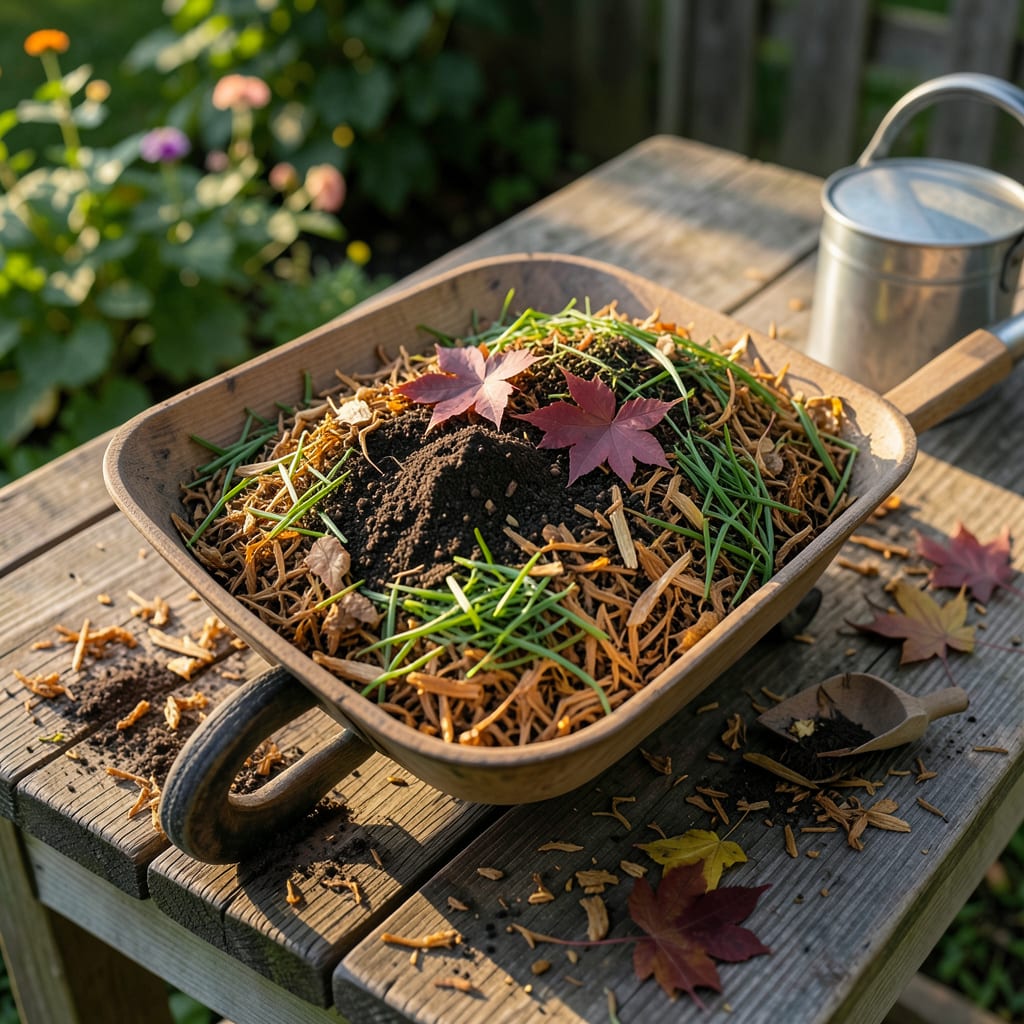
Last autumn, I discovered my garden’s secret weapon hiding in plain sight. Mulched leaves transform what was yard waste into a free, nutrient-packed resource that saves money and time.
You’ll improve soil texture, retain moisture during dry spells, and suppress weeds without chemicals. Plus, it’s the easiest way to give plants a slow-release fertilizer boost while cutting down on garden chores. Works for beds, pathways, and even container gardens.
📚 In This Guide
Transform fallen leaves into garden gold with these simple, effective methods I’ve refined over years of trial.
Shred dry leaves with a mulching mower or leaf shredder to accelerate decomposition. Layer them with green materials like grass clippings or kitchen scraps in a 3:1 ratio (brown to green) in your compost bin. This balance ensures proper carbon-to-nitrogen ratios for microbial activity.
Turn the pile every 5-7 days to aerate and speed up breakdown. You’ll know it’s working when the center heats up to 130-140°F and the material darkens. In 6-8 weeks, you’ll have rich, crumbly compost ready for garden beds.
Spread a 2-3 inch layer of mulched leaves around the base of trees, shrubs, and perennials. This suppresses weeds by blocking sunlight and retains soil moisture, reducing the need for frequent watering. Keep the mulch 3 inches away from plant stems to prevent rot.
As the leaves break down, they’ll improve soil structure and add organic matter. Replenish the layer every 4-6 weeks as it decomposes. You’ll notice fewer weeds and healthier soil with each application.
Pile shredded leaves in a wire bin or corner of your yard and let them sit undisturbed. Unlike compost, leaf mold requires no turning—just moisture and time. Over 6-12 months, fungi and bacteria will transform the leaves into a dark, spongy material.
Use this finished leaf mold to amend garden soil or as a top dressing for potted plants. It retains water exceptionally well, making it ideal for drought-prone areas. You’ll see improved moisture retention in your soil within weeks of application.
After the first hard frost, mound mulched leaves around the base of tender perennials and roses. Aim for a 6-8 inch layer to insulate roots from freezing temperatures. This method is especially effective for plants like hostas and daylilies.
In early spring, gradually remove the mulch as temperatures rise. This prevents smothering new growth. You’ll find plants emerge stronger and with less winter damage when properly protected.
Run over dry leaves with a mulching mower to create fine particles, then leave them on your lawn. This returns nutrients directly to the soil, acting as a free, natural fertilizer. The pieces should be small enough to filter down to the soil surface within 24-48 hours.
Avoid thick layers that can smother grass. A light dusting every 2-3 weeks in fall provides steady nutrition. Your lawn will show deeper green color and improved vigor by the following spring.
Small adjustments make a big difference when working with mulched leaves.
Decomposition Accelerator: In Step 1, shredding leaves before composting increases surface area for microbial action, cutting decomposition time significantly. The 3:1 brown-to-green ratio is non-negotiable—too many leaves and the pile goes anaerobic, too many greens and it gets slimy. I learned this after ruining two batches.
Temperature Matters: For Step 1’s compost pile, that 130-140°F sweet spot is your gold standard. Below 130°F and decomposition slows; above 140°F and you risk killing beneficial microbes. Use a compost thermometer if you’re serious about timing that 6-8 week turnaround.
Mulch Placement Pro Tip: In Step 2, the 3-inch gap from plant stems isn’t just suggestion—it’s critical. I lost a prized rose bush to stem rot before realizing how moisture gets trapped against bark when mulch touches directly. The 2-3 inch layer thickness also prevents matting that blocks water penetration.
Leaf Mold Patience: Step 3’s 6-12 month timeline for leaf mold can’t be rushed. Unlike compost, this process relies on fungal decomposition rather than bacterial, which takes longer but creates a superior soil conditioner. Keep the pile moist but not soggy—think damp sponge, not wet towel.
Yes! Mulched leaves decompose quickly, enriching soil with nutrients. Spread a 2-3 inch layer to retain moisture and suppress weeds. Avoid thick layers to prevent matting.
Fall is ideal—mulch fresh leaves right after they drop to prevent them from blowing away. You can also store them and apply in spring as a soil amendment.
No problem! Use a lawn mower to shred leaves on your lawn, or run them over with a string trimmer. A tarp and a shovel can also help chop them manually.
Rarely, but thick layers may harbor pests like slugs. Keep mulch loose and avoid piling it near plant stems. Mixing with other organic matter can also deter issues.
