
Beautiful Plants For Your Interior
Beautiful Plants For Your Interior
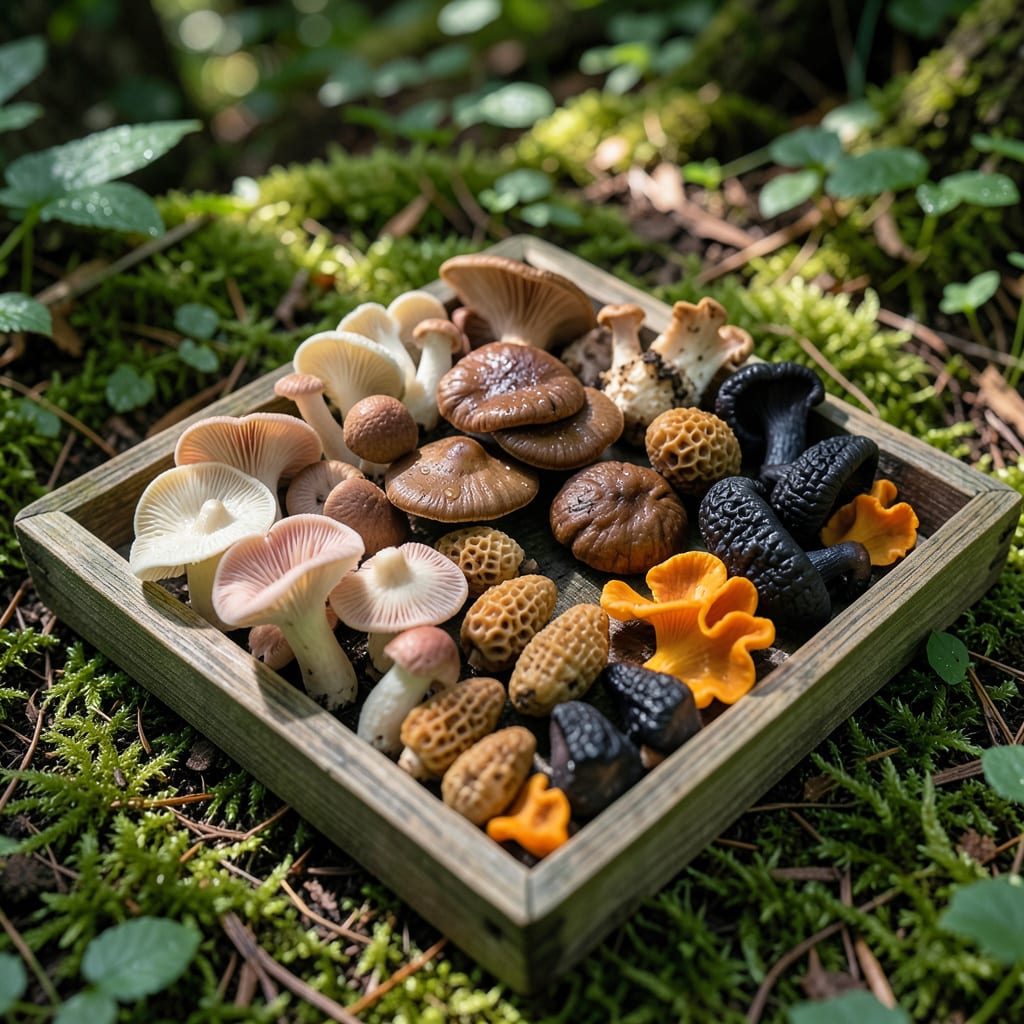
That white, stringy stuff in your mulch isn’t mold—it’s probably fungus. I’ve seen it appear overnight after a heavy rain, turning a tidy garden bed into something out of a sci-fi movie.
Most mulch fungi are harmless, but some can spread to plants or look downright alarming. The good news? They’re all preventable with the right approach to how and when you mulch.
You’ll learn to spot the difference between beneficial fungi and the kinds that need attention. A little knowledge saves you from panicking—or worse, overreacting with harsh chemicals.
Simple fixes like proper depth, better airflow, and timing your mulch application can keep your beds looking clean and your plants healthy all season.
Fungus thrives in mulch due to a few key environmental and material factors. Understanding these causes helps you prevent or manage outbreaks effectively.
Mulch retains moisture, creating a damp environment ideal for fungal spores to germinate. Overwatering, poor drainage, or heavy rainfall can saturate mulch, accelerating fungal growth. Action: Ensure proper drainage and avoid overwatering to keep mulch moderately dry.
Mulch is rich in organic material, which fungi break down as part of their natural lifecycle. As wood chips, bark, or leaves decompose, they release nutrients that feed fungal colonies. Action: Use aged mulch or replace it periodically to reduce available food sources for fungi.
Fungi proliferate in warm, humid conditions (typically 70–90°F). Mulch in sunny or poorly ventilated areas can heat up, creating a perfect breeding ground. Action: Apply mulch in thinner layers (2–3 inches) and rake it occasionally to improve airflow.
Compacted mulch restricts airflow, trapping moisture and heat. This stagnation encourages fungal spores to settle and spread. Action: Fluff mulch regularly with a rake to enhance ventilation and disrupt fungal growth.
Fungal spores can hitchhike on contaminated tools, shoes, or even new mulch batches. Improperly stored or low-quality mulch may already contain spores. Action: Source mulch from reputable suppliers and clean tools before use.
Dealing with fungus in mulch starts with identifying the cause. Here’s how to tackle each common issue and prevent future growth:
Fungus thrives in damp conditions. Rake the mulch to break up compacted areas and allow air circulation. If the area stays soggy, add sand or gravel beneath the mulch to enhance drainage. Prevention tip: 💡 Water your garden in the morning so mulch dries out during the day.
Some mulches, like wood chips, decompose quickly and attract fungus. Switch to cedar or pine bark mulch, which naturally resist fungal growth. Alternatively, use inorganic mulch like rubber or rocks in problem areas. Prevention tip: ✨ Replace old mulch annually to reduce fungal spores.
Compacted mulch traps moisture and blocks airflow. Turn the mulch with a pitchfork every few months to keep it loose. For thick layers, reduce depth to 2–3 inches to allow better ventilation. Prevention tip: 🌡️ Avoid piling mulch against plant stems or tree trunks.
If you spot fungus like slime mold or bird’s nest fungus, scoop out infested mulch and dispose of it in a sealed bag. Replace it with fresh, dry mulch. Prevention tip: 🎯 Keep your garden free of fallen leaves and plant debris.
With these steps, you can control existing fungus and stop it from returning. Stay proactive, and your mulch will stay clean and effective!
Most mulch fungi are harmless and even beneficial for breaking down organic matter. However, some types like slime mold or dog vomit fungus can spread to plants if left unchecked.
Apply mulch in thin layers (2-3 inches), rake regularly for airflow, and water in the morning. Using cedar or pine bark mulch also helps deter growth.
Only remove heavily infested areas. For mild cases, turning the mulch with a pitchfork can disrupt fungal growth. Always dispose of removed mulch in sealed bags.
