
Beautiful Plants For Your Interior
Beautiful Plants For Your Interior
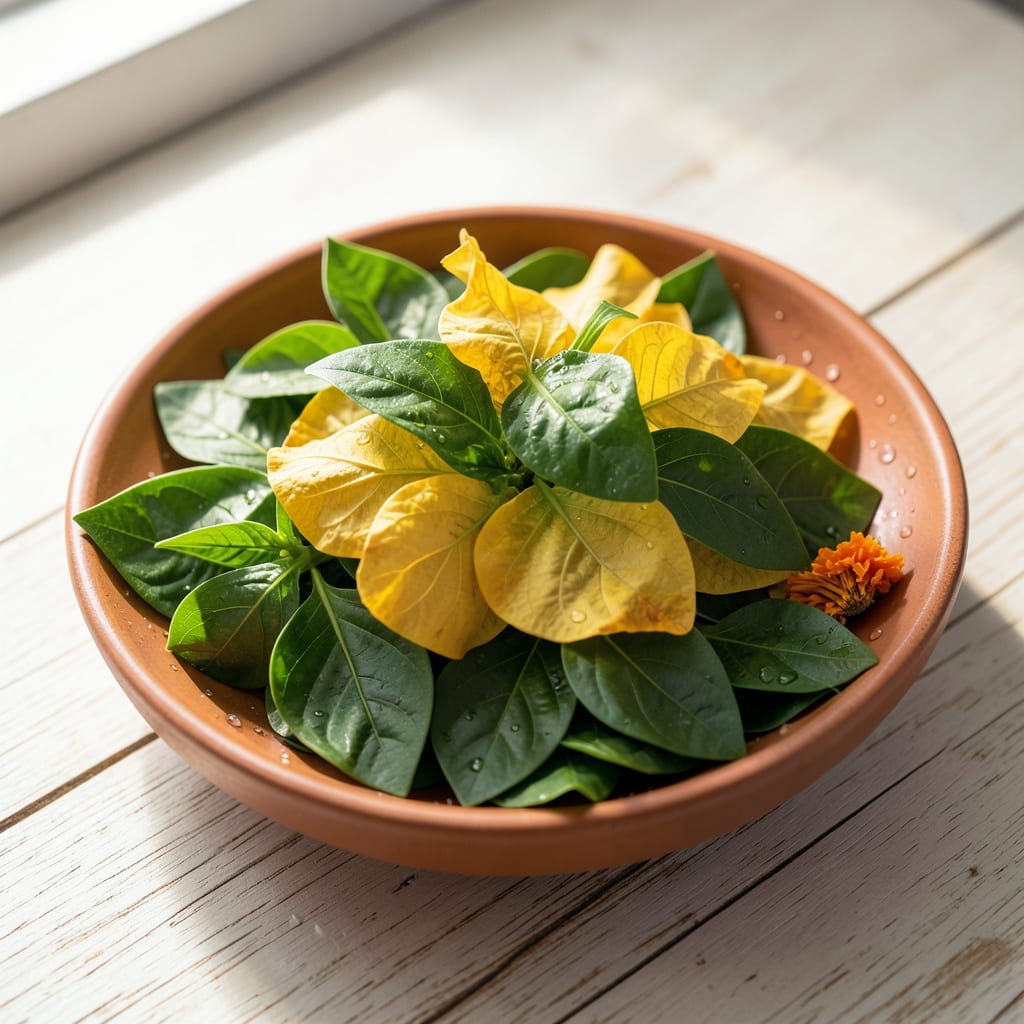
Yellow tulsi leaves hit me hard my first season. Turns out, it’s rarely one issue—usually a combo of water, light, or soil throwing your plant off balance.
I’ve fixed this dozens of times by checking the basics first: soil that drains properly, 6-8 hours of sunlight, and a watering routine that lets the top inch dry between drinks.
The transformation is fast once you nail it. Dark green leaves return within 2 weeks, and the plant starts pushing new growth like nothing happened.
Works for potted tulsi on windowsills or garden beds. Here’s how to diagnose and fix it for good.
Understanding why tulsi leaves turn yellow starts with identifying the root causes. Here are the most common triggers, explained with actionable insights:
Excess water suffocates the roots, preventing oxygen uptake and leading to root rot. This stress disrupts chlorophyll production, causing leaves to yellow. Fix: Ensure pots have drainage holes and water only when the top inch of soil is dry.
Tulsi thrives in 6–8 hours of sunlight daily. Too little light weakens photosynthesis, while too much can scorch leaves (photoinhibition). Both extremes trigger yellowing. Fix: Move plants to bright, indirect light or use shade cloth in harsh sun.
Nitrogen, magnesium, or iron shortages manifest as yellow leaves (chlorosis). Nitrogen deficiency starts in older leaves, while iron/magnesium shortages affect new growth. Fix: Use a balanced organic fertilizer or amend soil with compost.
Sap-sucking pests like aphids or spider mites drain nutrients, causing yellowing. Check leaf undersides for webbing or sticky residue. Fix: Spray with neem oil or insecticidal soap weekly until pests are gone.
Tulsi prefers 60–85°F (15–30°C). Cold drafts or heatwaves disrupt enzyme function, leading to discoloration. Fix: Move indoor plants away from AC vents or use mulch to regulate soil temperature.
If your tulsi leaves are turning yellow, don’t worry—there are simple fixes for each common cause. Below are targeted solutions to revive your plant and keep it thriving.
Let the soil dry out slightly between waterings. Ensure your pot has drainage holes to prevent waterlogging. Fix: Repot in well-draining soil and water only when the top inch of soil feels dry. Prevention tip: Use a pot with drainage holes and a saucer to catch excess water.
Tulsi needs bright, indirect sunlight. Too little light weakens the plant, while too much can scorch the leaves. Fix: Move your tulsi to a spot with 4–6 hours of morning sunlight. If indoors, place it near an east-facing window. Prevention tip: Rotate the pot weekly for even light exposure.
Yellow leaves often signal a lack of nitrogen, magnesium, or iron. Fix: Use a balanced, water-soluble fertilizer every 4–6 weeks during the growing season. For magnesium, add Epsom salt (1 tsp per gallon of water) as a foliar spray. Prevention tip: Refresh the soil with compost every few months.
Aphids, whiteflies, or spider mites can stress the plant, leading to yellowing. Fix: Spray leaves with a mix of neem oil and water (1 tsp neem oil per liter) or wipe them with a damp cloth. Prevention tip: Inspect leaves regularly and keep the plant in a well-ventilated area.
Tulsi prefers slightly acidic to neutral soil (pH 6.0–7.0). Fix: Test your soil with a pH kit. If it’s too alkaline, amend with sulfur or peat moss. If too acidic, add lime. Prevention tip: Retest soil pH every 2–3 months.
Water when the top 1 inch of soil feels dry. Typically, this means watering every 2-3 days in warm weather and less often in cooler months. Always check soil moisture first.
Mild cases may recover with proper care. Severely yellowed leaves usually won’t regreen, but new healthy growth will appear within 2 weeks if you fix the underlying issue.
Use a well-draining mix of 60% potting soil and 40% perlite or sand. Add a handful of compost for nutrients. This prevents waterlogging while retaining enough moisture.
This often signals a nitrogen deficiency. The plant prioritizes newer leaves, pulling nitrogen from older ones. Fertilize with a balanced 5-5-5 or 10-10-10 formula to restore balance.
