
Beautiful Plants For Your Interior
Beautiful Plants For Your Interior
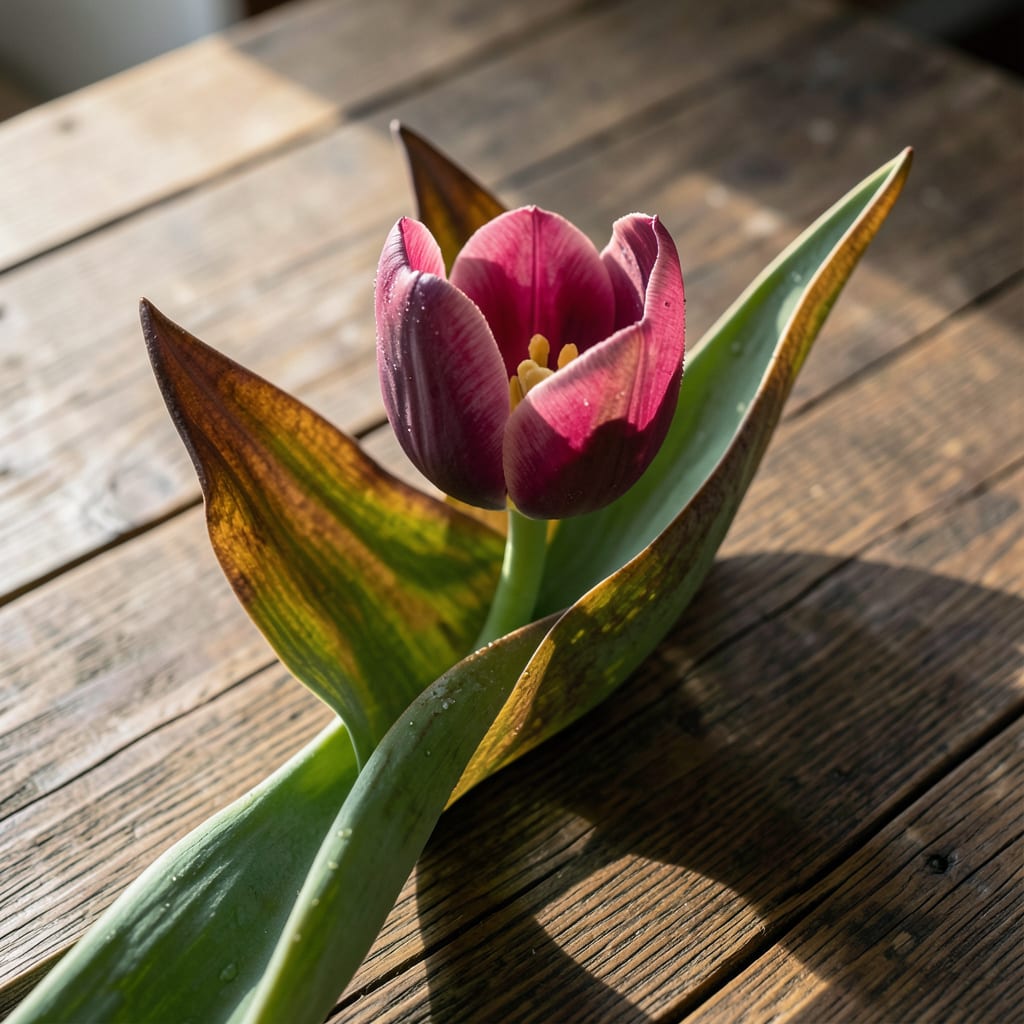
Brown tulip leaves hit different when you’ve been waiting all winter for spring color. I’ve seen this happen to entire beds overnight, and the culprit is usually hiding in plain sight—either too much water, not enough food, or soil that’s throwing your plants off balance.
The fix starts with checking the basics: your watering routine, your fertilizer, and your soil’s pH. Most tulips thrive when the ground isn’t soggy, the nutrients are balanced, and the acidity level sits around 6.0-7.0. Get these right, and those leaves stay green longer.
What you’ll notice first is the recovery—the brown edges stop spreading, new growth comes in healthy, and your tulips stand taller. The difference shows up within 7-10 days of making adjustments, and the next blooming season will thank you.
Works for any tulip variety, in any climate. Here’s how to diagnose and fix it for good.
Brown leaves on your tulips are a distress signal. Several factors can trigger this issue, each with its own scientific explanation and solution.
Extreme temperatures or sudden frost can damage tulip leaves, causing them to turn brown. Tulips prefer cool to moderate temperatures (60–70°F during the day). When exposed to heat stress (above 80°F) or cold shock (below 28°F), cellular damage occurs, leading to necrosis (dead tissue) and browning. Action: Use mulch to insulate roots and provide shade cloth during heatwaves.
Both overwatering and underwatering can cause browning. Overwatering leads to root rot (often due to Phytophthora or Pythium fungi), which cuts off nutrient uptake, while underwatering causes dehydration and leaf scorch. Tulips need 1 inch of water per week, with well-draining soil. Action: Check soil moisture 2 inches deep—water only if dry.
A lack of potassium (K) or excess nitrogen (N) disrupts chlorophyll production, turning leaves brown at the edges (scorching). Potassium deficiency weakens cell walls, making leaves more susceptible to damage. Action: Apply a balanced fertilizer (e.g., 10-10-10) or potassium-rich amendments like greensand.
Tulips thrive in slightly acidic to neutral soil (pH 6.0–7.0). Highly alkaline (pH > 7.5) or acidic (pH < 5.5) soil locks out essential nutrients like iron and manganese, causing chlorosis (yellowing) followed by browning. Action: Test soil pH and amend with lime (to raise pH) or sulfur (to lower pH).
Botrytis tulipae (tulip fire) and aphids can cause browning. Fungal infections create water-soaked spots that dry into brown patches, while aphids suck sap, leading to leaf curl and necrosis. Action: Remove infected leaves, improve airflow, and use neem oil or insecticidal soap for pests.
If your tulips are sporting unsightly brown leaves, don’t panic—most causes are fixable with a little care. Below are targeted solutions for common issues, along with prevention tips to keep your tulips vibrant.
Yellowing or browning leaves often signal a lack of nitrogen, potassium, or magnesium. Use a balanced, slow-release fertilizer (10-10-10) in early spring. For a quick boost, try a liquid fertilizer high in potassium. Prevention tip: 💡 Test your soil annually and amend it with compost to maintain nutrient levels.
Tulips thrive in slightly acidic to neutral soil (pH 6.0–7.0). If your soil is too alkaline, amend it with sulfur or peat moss. For overly acidic soil, add lime. Prevention tip: 🌱 Retest pH every 2–3 years, especially if you notice recurring issues.
Soggy soil leads to root rot, which turns leaves brown. Reduce watering and ensure your tulips are planted in well-draining soil. If the bed is waterlogged, consider raising the plant bed or adding perlite/sand to the mix. Prevention tip: ✨ Water only when the top inch of soil is dry.
Brown spots with yellow halos? It might be tulip fire (Botrytis) or bacterial blight. Remove infected leaves immediately and apply a copper-based fungicide. Prevention tip: 🎯 Space bulbs properly for airflow, and avoid overhead watering to reduce humidity.
Aphids, slugs, and bulb mites can stress tulips, causing browning. Blast aphids off with water or use neem oil. For slugs, set up beer traps or use diatomaceous earth. Prevention tip: 🛡️ Inspect plants regularly and encourage beneficial insects like ladybugs.
No, once leaves turn brown, the damage is permanent. Focus on improving plant health to prevent further browning. New growth should emerge healthy if the issue is addressed.
Tulips need 1 inch of water per week, including rainfall. Always check soil moisture 2 inches deep—water only if dry to avoid overwatering.
Use a balanced slow-release fertilizer (10-10-10) in early spring. For quick results, apply a liquid potassium-rich fertilizer to strengthen cell walls.
Yes, trim brown leaves at the base to prevent disease spread. Remove only the damaged portions—healthy green leaves still photosynthesize.
