
Beautiful Plants For Your Interior
Beautiful Plants For Your Interior
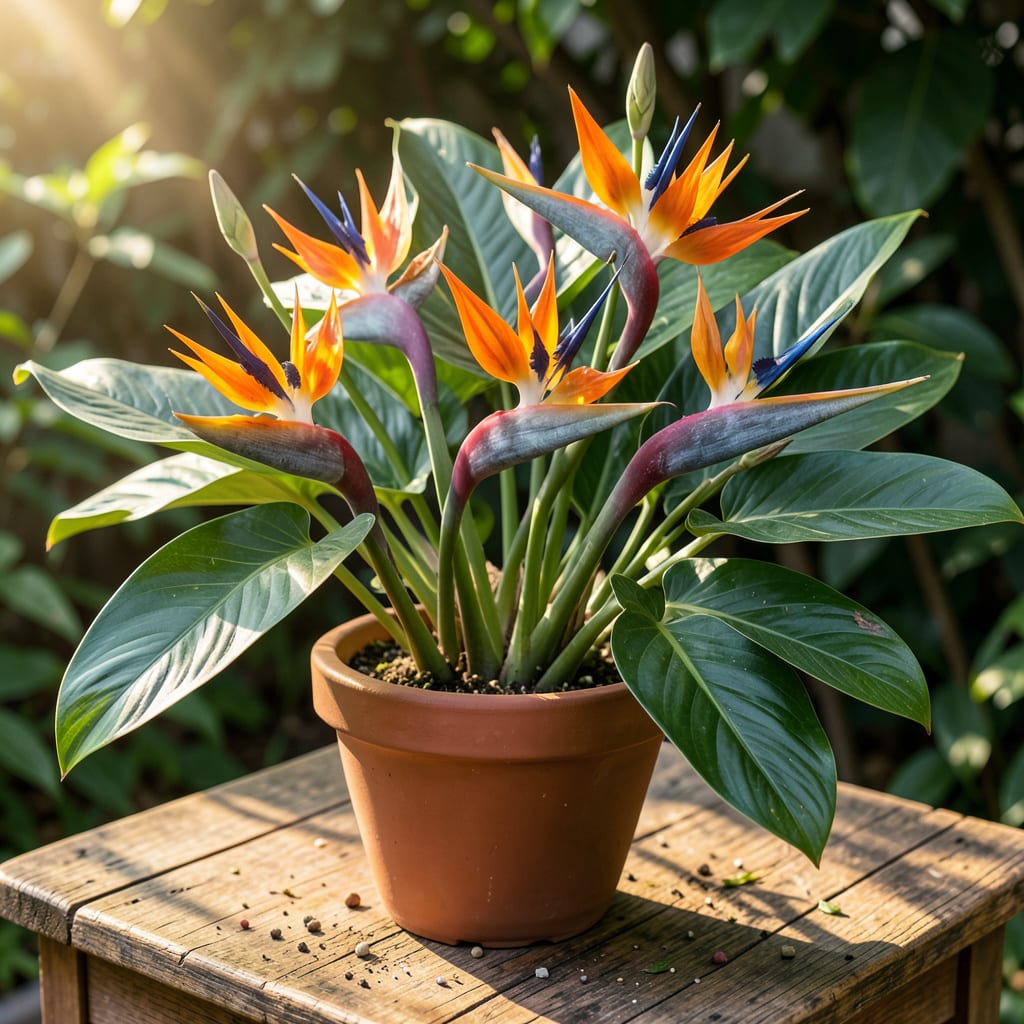
First time I saw a Bird of Paradise bloom, I thought it was fake. Those exotic orange-and-blue flowers look like something from a jungle, not a backyard.
Turns out, they thrive with full sun and well-draining soil. Give them space to spread—these can reach 6 feet tall—and you’ll get tropical drama without leaving home.
📚 In This Guide
This method delivers those stunning, crane-like blooms with minimal fuss if you respect the plant’s needs.
Choose a spot with full sun to partial shade—at least 6 hours of direct sunlight daily produces the most vibrant flowers. Tropical bird of paradise thrives in well-draining soil with a pH between 6.0 and 7.5. Avoid low-lying areas where water pools, as soggy roots quickly lead to rot.
If planting near a structure, position it at least 3 feet away to accommodate mature growth. These plants can reach 5-6 feet tall and spread 4-5 feet wide, so give them room. I test soil drainage by digging a 1-foot hole, filling it with water, and ensuring it drains within 1 hour.
Loosen the soil to a depth of 18-24 inches and mix in 2-3 inches of compost to improve fertility and drainage. This plant is a heavy feeder, so rich, organic matter helps establish strong roots. Remove any weeds or debris that could compete for nutrients.
For container planting, select a pot at least 18 inches in diameter with drainage holes. Fill it with a mix of 60% potting soil and 40% perlite or sand to ensure proper aeration. I line the bottom with 1-2 inches of gravel to further enhance drainage.
Dig a hole twice as wide and just as deep as the root ball. Place the plant in the hole, ensuring the top of the root ball sits 1 inch above soil level to prevent settling. Backfill with the amended soil, pressing lightly to remove air pockets.
Water deeply immediately after planting, saturating the soil to a depth of 6-8 inches. Keep the soil consistently moist but not waterlogged during the first 2-3 weeks as the plant establishes. You’ll know it’s time to water again when the top 1-2 inches of soil feels dry.
Apply a balanced, slow-release fertilizer (10-10-10 or 20-20-20) every 2-3 months during the growing season. Tropical bird of paradise responds well to high-phosphorus fertilizers, which encourage blooming. I switch to a low-nitrogen formula in late summer to avoid excessive foliage growth at the expense of flowers.
Prune dead or damaged leaves and spent flower stalks to maintain tidiness and direct energy toward new growth. Use clean, sharp shears and cut back to the base of the stem. This plant is relatively drought-tolerant once established, but regular watering during dry spells keeps it looking its best.
Tropical bird of paradise is hardy in USDA zones 10-12 but needs protection if temperatures drop below 30°F. In colder climates, grow it in containers and move it indoors for winter. Place it near a bright, south-facing window and reduce watering to prevent root rot.
Watch for common pests like aphids and scale, which can be controlled with neem oil or insecticidal soap. Yellowing leaves often indicate overwatering, while brown leaf tips suggest low humidity or fluoride in tap water. Adjust care as needed to keep the plant thriving.
Small details make the difference between a struggling plant and those iconic crane-like blooms.
The Sunlight Sweet Spot: While this plant tolerates partial shade, the 6 hours of direct sunlight minimum isn’t negotiable for vibrant flowers. I’ve learned the hard way that morning sun with afternoon shade produces the most consistent results, especially in hotter climates where intense midday rays can scorch leaves.
Drainage Test Hack: That 1-hour drainage test in Step 1 is your best insurance against root rot. Dig the 1-foot hole in multiple spots around your planting area—if water lingers longer than an hour in any of them, amend the soil with extra compost or consider raised beds.
Container Planting Pro Tip: For pots, the 18-inch diameter minimum and 1-2 inches of gravel at the bottom are non-negotiable. I line my containers with landscape fabric before adding gravel to prevent soil from washing through the drainage holes while still allowing water to escape.
Establishment Period Wisdom: Those first 2-3 weeks of consistent moisture are critical. Set a reminder to check soil every 1-2 days—the top inch can dry out faster than you expect, especially in containers. A moisture meter takes the guesswork out of knowing when to water.
Water your bird of paradise weekly in warm weather, allowing the top inch of soil to dry between waterings. Reduce frequency in cooler months. Overwatering can lead to root rot, so ensure good drainage!
With proper care, expect stunning blooms in late winter to spring, and sometimes again in fall. Young plants may take 3-5 years to flower. Patience and bright, indirect light are key!
Yes! Place it near a sunny window with at least 6 hours of sunlight daily. Use a well-draining pot and rotate occasionally for even growth. It thrives as a striking indoor statement plant.
Yellow leaves often signal overwatering or poor drainage. Check the roots for rot, and adjust your watering schedule. Low humidity or nutrient deficiencies can also cause this issue.
Consider banana plants, hibiscus, or canna lilies for a similar lush, tropical vibe. These also love sun and add vibrant colors to your garden oasis.
